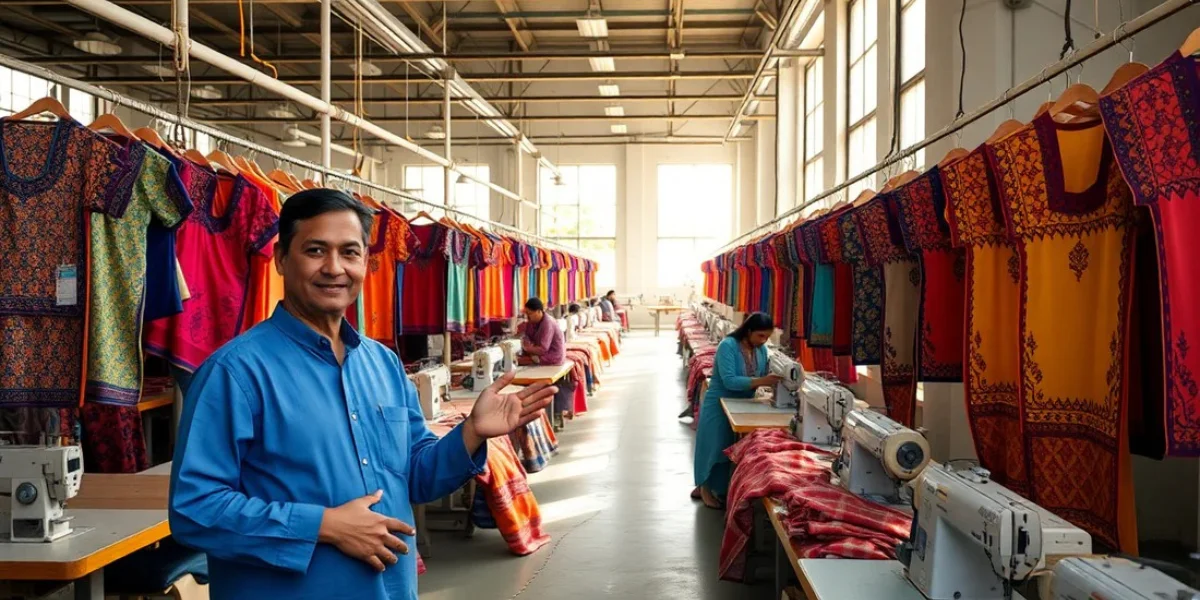

The Landscape of Silk Exports from India in 2026
The Landscape of Silk Exports from India in 2026
Key Export Categories
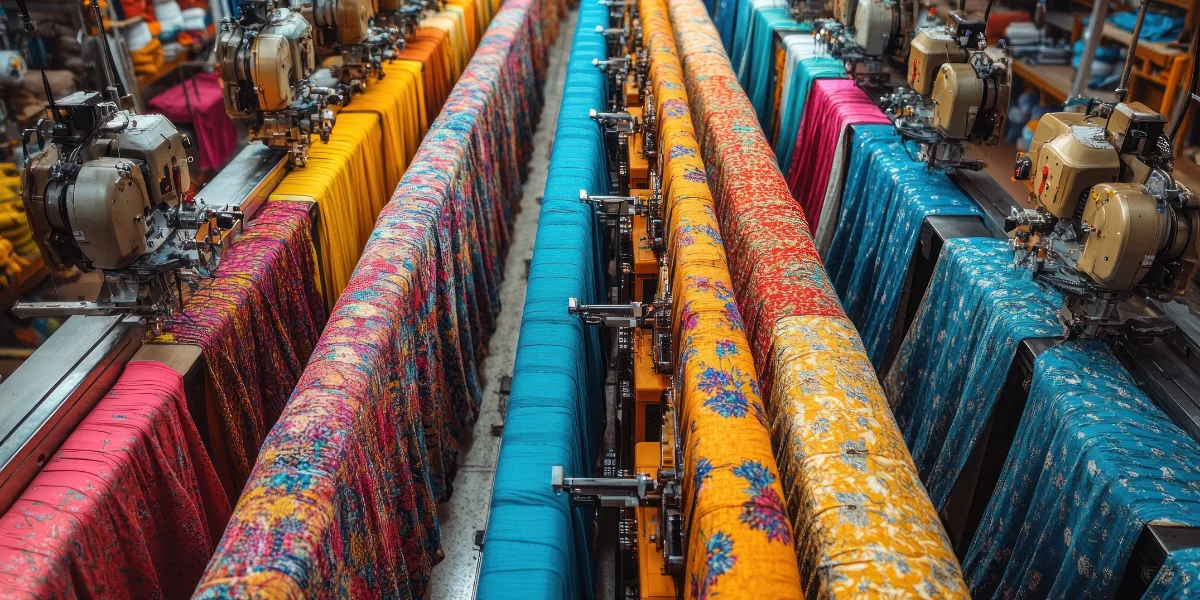
Why Source from Indian Silk Exporters?
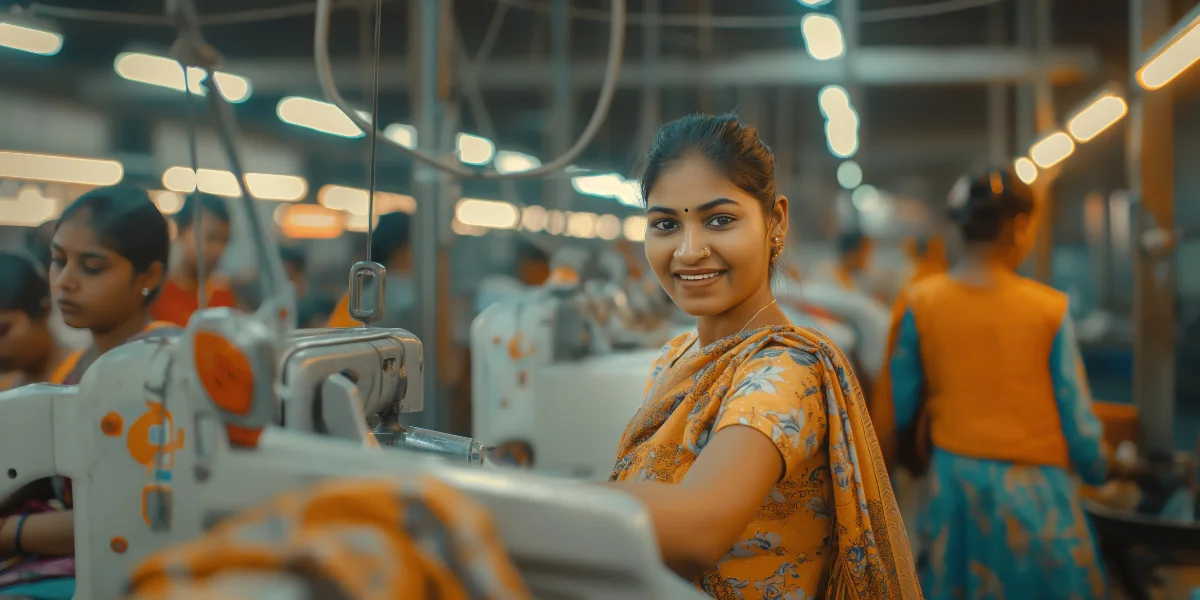
1. Unmatched Variety of Silk Fabric
2. Strategic Support for Apparel Exporters
3. Sustainable and Ethical Manufacturing
Top Hubs for Silk Clothing and Fabrics
Region | Primary Silk Type | Notable Products |
Karnataka (Mysore) | Mulberry High-grade | Crepe and georgette fabrics. |
Assam | Muga & Eri | Golden durable fabrics and "Peace" silk. |
Bihar (Bhagalpur) | Tasar | Earthy, textured fabrics for home decor. |
Tamil Nadu (Kanchipuram) | Mulberry Rich | heavy bridal and luxury silks. |
Uttar Pradesh (Varanasi) | Mulberry/Blends | Intricate brocades and high-end fashion fabric. |
Navigating the Indian Textile Market
Trends to Watch in 2026
How to Find Reliable Silk Exporters
Conclusion
FAQ's
Silk clothing is made from a natural protein fiber produced by silkworms, primarily the Bombyx mori species. The fibers are harvested from the insect’s cocoon and meticulously woven into various weights of silk fabric, ranging from delicate chiffon to heavy-duty mulberry silk. This organic process results in a material that is celebrated for its shimmering appearance and incredible tensile strength.
Yes, silk fabric is an excellent choice for summer because it is naturally breathable and possesses moisture-wicking properties that keep the skin dry. As a natural thermoregulator, silk allows air to circulate, making silk clothes feel cool against the body even in humid conditions. Its lightweight nature ensures that silk clothing remains comfortable for all-day wear during the hottest months of the year.
India is the world’s only producer of all four commercial varieties: Mulberry, Tasar, Eri, and Muga silk. While Mulberry is the most common for global textile exports from India, Muga is prized for its natural golden tint and extreme durability, and Eri is known as “peace silk” because it is harvested without harming the silkworm.
To maintain the luster of silk clothing, it is best to hand wash garments in cold water using a pH-neutral detergent or opt for professional dry cleaning. Avoid direct sunlight when drying to prevent the delicate fibers from becoming brittle, and always iron on the lowest heat setting while the silk fabric is still slightly damp to remove wrinkles safely.