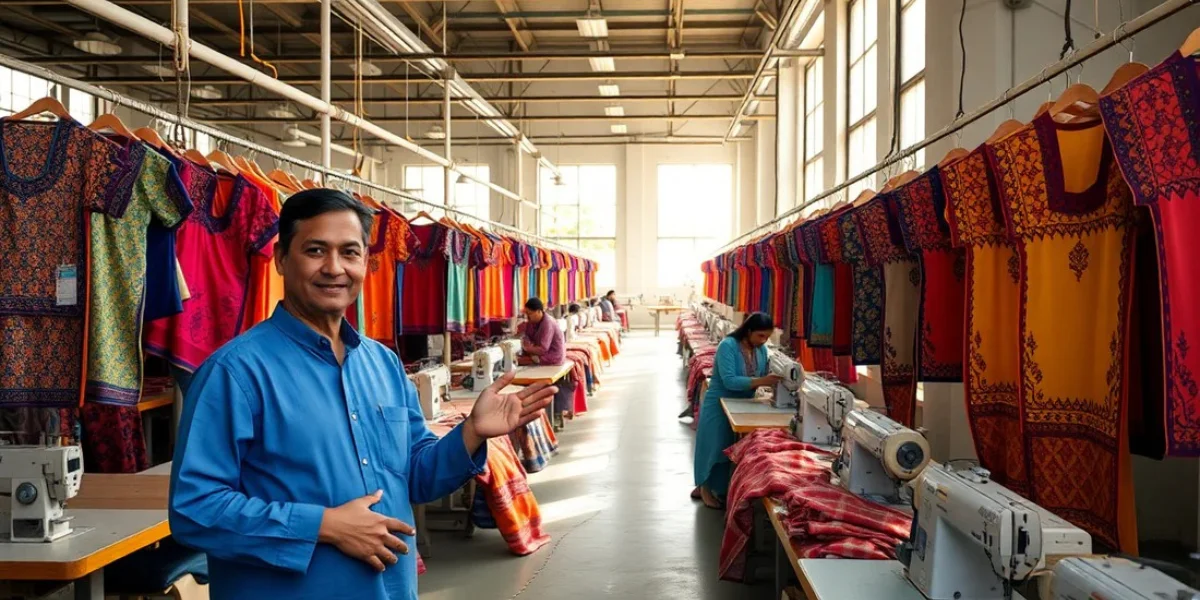

The landscape of leading garment exporters in India has transformed from simple manufacturing units into sophisticated, vertically integrated powerhouses. In 2026, these industry leaders are defined by their ability to marry traditional textile craftsmanship with cutting-edge automation. Centers like Tirupur, Noida, and Bengaluru host companies that manage everything from organic cotton sourcing to 3D garment sampling. By investing in renewable energy and high-speed logistics, these exporters provide the reliability and scale that top-tier European retailers demand, solidifying India’s reputation as a premium alternative to other manufacturing hubs.
Indian exporters have successfully navigated the shift toward “smart manufacturing” to maintain a competitive edge in the global market. Unlike smaller regional players, these established firms utilize advanced ERP systems to provide real-time production tracking, ensuring that international buyers have full visibility over their orders. Furthermore, their deep understanding of international compliance ranging from labor welfare to chemical safety—makes them low-risk partners for corporation’s sensitive to brand reputation. By focusing on consistency, precision, and ethics, Indian firms are no longer just suppliers; they are strategic partners in the global fashion supply chain.
The demand for green garments has surged, and Indian manufacturers are leading the charge by adopting circular economy principles. To meet the strict environmental criteria of the European market, exporters are now utilizing GOTS-certified organic cotton, recycled polyester (rPET) derived from ocean waste, and innovative fibers like hemp and bamboo. Beyond materials, “green” production involves Zero Liquid Discharge (ZLD) plants that recycle 95% of water used in dyeing. This commitment to sustainability allows Indian exporters to provide eco-conscious consumers with high-quality apparel that carries a minimal carbon footprint.
For exporters of clothing to Germany, success is measured by more than just aesthetics; it is measured by technical precision and regulatory adherence. The German market is one of the most demanding in the world, requiring strict compliance with the German Supply Chain Due Diligence Act (LkSG) and EU REACH standards. Leading Indian firms have adapted by implementing rigorous third-party social audits and chemical testing protocols. By focusing on “German-grade” quality characterized by zero-defect tolerance and sustainable packaging Indian exporters have secured a significant share of the German apparel import market.
The trajectory of garment exports from India is being reshaped by the recent India-EU Free Trade Agreement, which has drastically reduced trade barriers. We are seeing a move toward “high-value” exports, including technical textiles, performance activewear, and intricate sustainable fashion. Additionally, the integration of AI-driven design and 3D prototyping is shortening lead times, allowing Indian firms to compete with “near-shoring” locations in Eastern Europe. As infrastructure improves and digital documentation becomes the norm, the efficiency of shipping from Indian ports to Hamburg ensures a steady, cost-effective flow of fashion.
How Leading Garment Exporters in India Meet Germany's Global Standards
How Leading Garment Exporters in India Meet Germany's Global Standards
Navigating the German Supply Chain Due Diligence Act (LkSG)

How Indian Exporters Comply:
Adherence to EU REACH and Chemical Safety
The Strategy:
The Shift to "Green" Garments: GOTS and Recycled Fibers
Meeting the Standard:
Technical Precision and "German Quality"
The Engineering Approach:
Feature | German Requirement | Indian Exporter Solution |
Dimensional Stability | Max 3-5% shrinkage after washing. | Advanced pre-shrinking and compacting machinery. |
Color Consistency | No variance between production batches. | Digital spectrophotometers and automated lab-dips. |
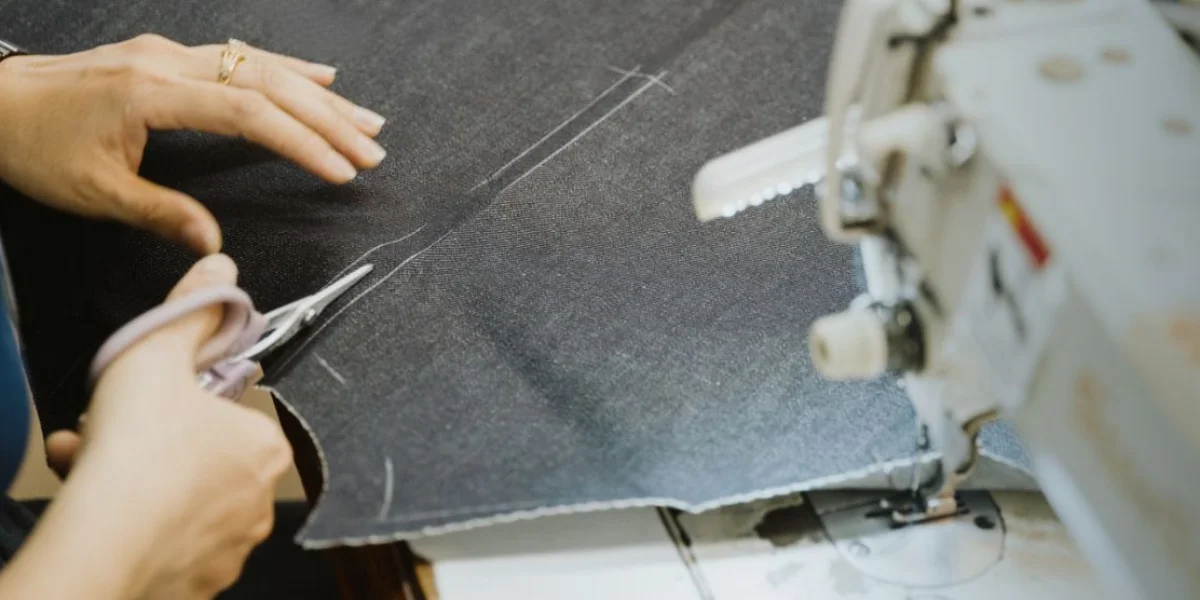
Size Accuracy | Strict adherence to European size charts. | Automated CAD/CAM cutting for millimeter precision. |
Packaging | Plastic-free or FSC-certified materials. | Switching to compostable polybags and recycled paper tags. |
Modernizing Logistics: The India-EU FTA Advantage
Leveraging the New Era:
Digital Transformation and Industry 4.0
Conclusion: Why India is Germany's Preferred Partner
FAQ's
To export clothing to Germany, Indian exporters must primarily comply with EU REACH regulations for chemical safety. While not always legally mandated by the state, the vast majority of German retailers require OEKO-TEX Standard 100 for product safety, BSCI (Business Social Compliance Initiative) for labor standards, and GOTS (Global Organic Textile Standard) if the product is marketed as organic.
The German Supply Chain Due Diligence Act (LkSG) requires German companies to ensure their global suppliers uphold human rights and environmental standards. For Indian exporters, this means you must provide transparent documentation regarding fair wages, the prohibition of child labor, and safe working conditions. Failure to provide this “due diligence” data can lead to the termination of contracts with German buyers.
India’s garment export industry is concentrated in several specialized clusters:
As of 2026, the India-EU Free Trade Agreement (FTA) has significantly reduced or eliminated import duties on Indian textiles. Previously, Indian garments faced a 9.6% import duty in Germany; under the FTA, many categories now enjoy 0% or reduced tariffs, making Indian products price-competitive with countries like Bangladesh and Vietnam.
Indian textiles must strictly adhere to the REACH (Registration, Evaluation, Authorization, and Restriction of Chemicals) framework. This prohibits the use of harmful substances such as Azo dyes, formaldehyde, lead, and certain phthalates. Most German buyers require a “Certificate of Compliance” from accredited labs like SGS or TÜV Rheinland before shipment.
Sustainability is a key requirement in Germany. Indian exporters meet these standards by:
The typical lead time for Indian garments to reach Germany is 45 to 75 days. This includes: