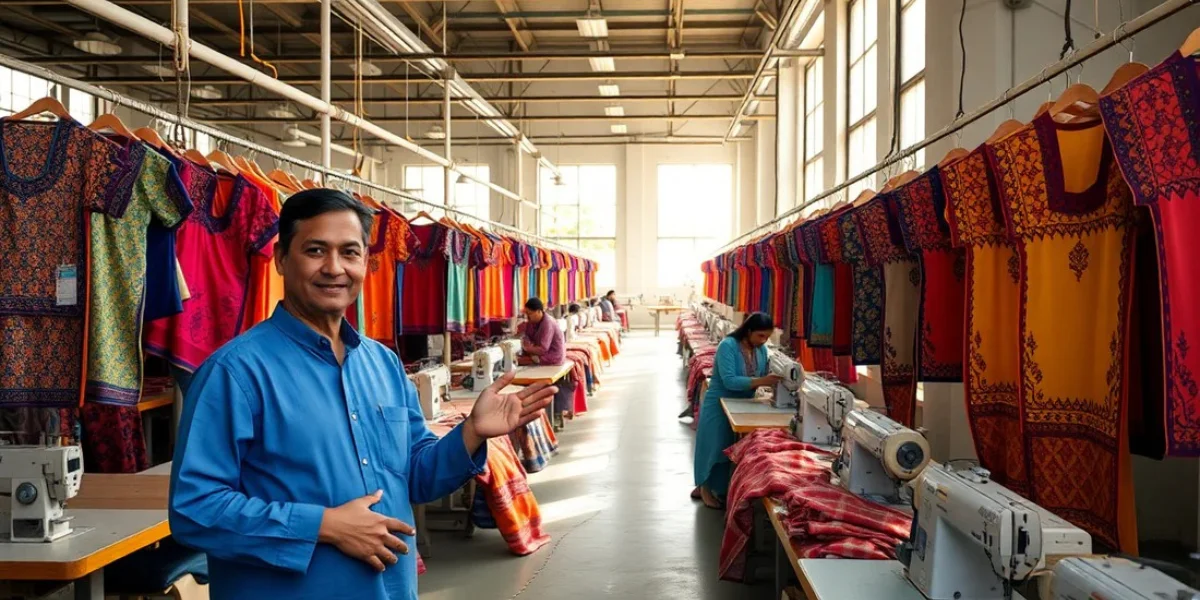
In the dynamic and highly competitive global textile and apparel industry, few nations can rival India’s enduring influence and strategic importance. For international buyers, fashion brands, and importers, particularly those in Germany and across European markets, understanding why Indian textile exporters are leading worldwide is crucial for making informed sourcing decisions. India offers a unique blend of heritage, innovation, and an unparalleled manufacturing ecosystem that positions its
indian textile exporters at the forefront of the global supply chain for
apparel clothing.
This comprehensive guide explores the core strengths, strategic advantages, and forward-thinking approaches that solidify India’s reputation, particularly in the
women’s clothing sector, ensuring it remains a preferred destination for high-quality, compliant, and sustainable clothing apparel.
India’s journey in textiles is millennia-old, a rich tapestry woven with tradition and skill. This deep historical root has organically evolved into a robust and dynamic modern Indian textile market, making it a global leader in both raw material production and finished garment manufacturing.
One of India’s most significant competitive advantages lies in its extensive vertical integration. The indian textile and apparel sector encompasses the entire value chain, from cultivating natural fibers like cotton and silk, through spinning, weaving, processing, and finally, garment manufacturing. This comprehensive control over the supply chain allows indian textile exporters to offer greater consistency, quality assurance, and reduced lead times. This end-to-end capability is a critical factor in why Indian textile exporters are leading worldwide, offering a seamless solution for global demand in apparel clothing.
The sheer scale of India’s production capacity is astounding. As one of the world’s largest producers of cotton and the second-largest producer of silk, India has a natural abundance of raw materials. This, combined with a vast, skilled workforce, enables
clothing manufacturers across the nation to handle orders of varying scales from boutique collections to mass-market volumes. This versatility is particularly appealing for women’s clothing, where diverse styles, fabrics, and intricate designs are constantly in demand, positioning indian garment exporters as adaptable partners.
The competitive edge of indian textile exporters is built upon a foundation of distinctive strengths that resonate with the demands of discerning global markets.
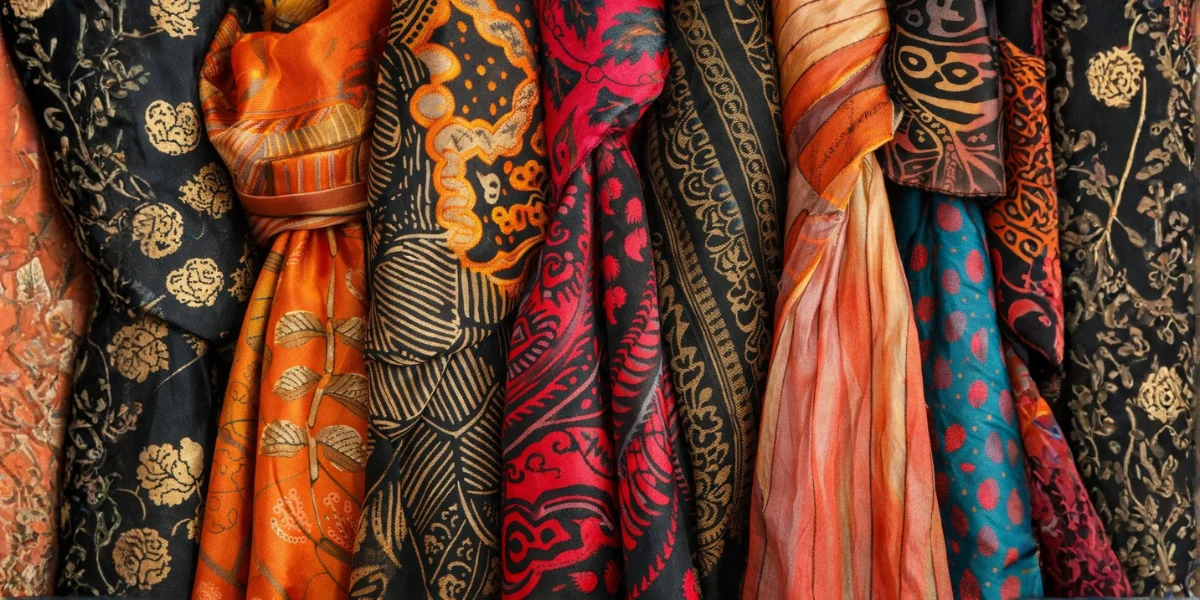
India’s artistic heritage is evident in its textiles. Generations of artisans have perfected intricate embroidery, delicate hand-block printing, and complex weaving techniques. This traditional craftsmanship, when fused with contemporary design sensibilities, enables clothing manufacturers to produce clothing apparel that combines unique aesthetics with modern trends. This exceptional ability to execute diverse and complex designs is a key reason why Indian textile exporters are leading worldwide, attracting buyers who seek both innovation and artisanal quality.
Global buyers continually seek a delicate balance between cost efficiency and product quality. Indian textile exporters are masters of this equilibrium. Leveraging competitive labor costs, efficient production processes, and large-scale manufacturing,
garment exporters from India can deliver high-quality apparel clothing at attractive price points. This value proposition is critical for fashion brands looking to maintain competitive pricing in markets like Europe while ensuring premium quality for their women’s clothing lines.
The modern apparel manufacturer in India is globally aware and agile. They continuously invest in market research and design development, ensuring that their clothing apparel offerings are aligned with international fashion forecasts and consumer preferences. This proactive approach allows indian garment exporters to produce trend-relevant women’s wear that resonates with European consumers, from seasonal collections to fast-fashion requirements.
The journey to becoming global leaders involves more than just production; it demands unwavering commitment to international quality, ethical, and environmental standards.
For markets as discerning as Germany and Europe, adherence to stringent quality and compliance benchmarks is non-negotiable. Indian garment exporters have extensively evolved their processes to meet these demands. They implement rigorous multi-stage quality control systems, from yarn to final garment, ensuring each piece of apparel clothing meets global AQL (Acceptable Quality Limit) standards. Furthermore, reputable indian textile exporters are well-versed in international labor laws, product safety regulations, and environmental directives, often securing certifications like
OEKO-TEX,
GOTS,
BSCI, and
SEDEX. This commitment significantly strengthens the presence of indian textiles in the European market.
The global fashion industry is undergoing a significant shift towards sustainability, and Indian textile exporters are key players in this transformation. Leveraging India’s rich agricultural base, there’s a strong focus on producing women’s clothing from natural, renewable fibers such as organic cotton, linen, hemp, and peace silk. Beyond raw materials, clothing manufacturers are increasingly adopting eco-friendly dyeing processes, water-efficient technologies, and waste reduction strategies. This dedication to ethical production and sustainable practices is a powerful driver for
indian garment exporters, meeting the green mandate of markets like Europe.
Modern buyers demand transparency. Apparel exporters from India are increasingly providing detailed information about their supply chains, from fiber origin to factory conditions. This focus on ethical sourcing and corporate social responsibility (CSR) builds trust and ensures that the apparel clothing produced aligns with the values of conscious consumers and responsible brands.
The strong trade relationship between India and Europe underscores the sustained growth and reliability of Indian textile exports.
The presence of indian textiles in the European market has steadily grown, a testament to the quality, diversity, and competitive edge offered by Indian exporters. European fashion brands value the reliability and flexibility provided by garment exporters from India, leading to strong, long-term partnerships. The increasing demand for sustainable and ethically produced women’s wear further solidifies India’s position.
Indian garment exporters are well-versed in the complexities of international trade. They possess robust logistics capabilities, efficient customs clearance processes, and strong global shipping networks. This export readiness ensures the timely and cost-effective delivery of apparel clothing to European destinations, making India a dependable sourcing partner.
Germany, as Europe’s largest economy and a major fashion consumer, represents a particularly significant market for indian garment exports to Germany.
German buyers are known for their high standards in quality, precision, and adherence to environmental and social compliance. The ability of indian textile exporters to consistently meet these stringent demands has fostered strong trading relationships. The growth of indian garment export to Germany highlights a mutual trust and understanding of market requirements, especially for discerning women’s clothing collections.
The reasons why Indian textile exporters are leading worldwide are deeply rooted in a blend of rich heritage, advanced manufacturing capabilities, unwavering commitment to quality and compliance, and a progressive embrace of sustainability. For global buyers, especially those seeking exceptional women’s clothing for the European market, partnering with indian garment exporters offers a strategic advantage.
Indian textile exporters are not just suppliers; they are strategic partners who bring value, innovation, and reliability to the table. As the Indian textile market continues to evolve, its apparel exporters remain dedicated to shaping the future of global fashion, providing diverse, ethical, and high-quality clothing apparel to the world.