10 Facts About Silk Fabric

Immerse yourself in the world of silk! Discover ten fascinating facts about this luxurious fabric, from its silkworm origins to its surprising strength. Explore its temperature-regulating qualities and learn why silk has been prized for centuries. Uncover its diverse uses in fashion, medicine, and beyond.

Silk Production

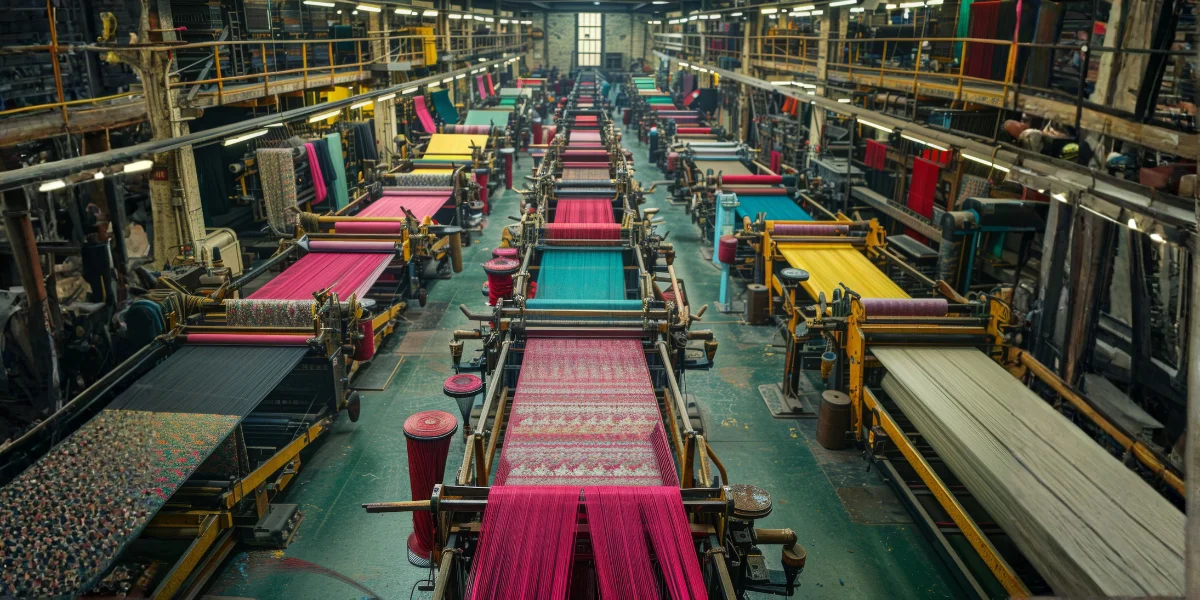
Trace the journey of silk from silkworm to shimmering fabric. Understand the intricate process of how these tiny creatures create this coveted textile. Learn about the labor-intensive steps involved in harvesting, processing, and spinning silk fibers for use by silk manufacturers.

History of Silk

Embark on a historical journey and explore the captivating history of silk. From its ancient beginnings in China, guarded as a royal secret, to its global influence via the legendary Silk Road, discover how this fabric has shaped cultures and economies worldwide.

Silk Fabric Properties

Delve into the unique qualities that make silk so desirable. Explore its exceptional strength and durability, and learn more about its absorbent, temperature-resistant, and smooth texture. Uncover the secrets behind its lustrous sheen and flowing drape, setting it apart from other fabrics.

Silk Uses

Explore the diverse uses of silk that go beyond the typical. In the silk industry, it is used from luxurious apparel and elegant home décor to life-saving medical sutures. See how silk is utilized in various medical areas as well.

Types of Silk Fabric

Embark on a journey to explore the diverse world of silk fabrics. From the common Mulberry silk, derived from silkworms, to Eri silk’s sustainable creation, uncover the varied attributes of each, like Muga.

silk fabric, silk texture, silk threads, silk weaving, silk pattern, silk material, silk production, silk quality, silk sheen, silk luxury, silk origin, silk history, silk fashion

10 Fascinating Facts About Silk Fabric: Unveiling the Luxurious Secrets of this Timeless Textile

10 Fascinating Facts About Silk Fabric: Unveiling the Luxurious Secrets of this Timeless Textile

Silk. The very word evokes images of luxury, elegance, and timeless beauty. For centuries, this exquisite fabric has been prized for its unparalleled softness, lustrous sheen, and remarkable properties. From flowing gowns and opulent tapestries to durable parachutes and even life-saving sutures, silk has played a significant role in shaping human history and culture.
But beyond its luxurious appeal, silk fabric is a material steeped in fascinating history, intricate processes, and surprising qualities. This blog post delves into the world of silk, uncovering ten remarkable facts that will deepen your appreciation for this extraordinary textile.

1. Silk Production: A Labor of Love by Silkworms

10 Facts About Silk Fabric, Silk Production, History Of Silk, Silk Fabric Properties, Silk Uses, Types Of Silk Fabric, silk fabric, silk texture, silk threads, silk weaving, silk pattern, silk material, silk production, silk quality, silk sheen, silk luxury, silk origin, silk history, silk fashion

The story of silk begins with the humble silkworm, the larva of the silk moth Bombyx mori. Unlike synthetic fabrics churned out by machines, silk is a natural protein fiber produced by these tiny creatures. The silkworm spins a cocoon made of a single, continuous strand of raw silk, which can be up to a mile long.

To harvest the silk, the cocoons are typically steamed or boiled, killing the silkworms inside and loosening the sericin, a gummy protein that holds the cocoon together. The silk threads are then carefully unwound and reeled onto spools. It takes approximately 2,500 silkworms to produce just one pound of raw silk, highlighting the labor-intensive nature of silk production.

While the most common type of silk comes from Bombyx mori, other types of silk fabric are produced by different species of silkworms, each with its own unique characteristics. Eri silk, for example, is produced by the Samia cynthia ricini silkworm and is known for its matte texture and durability. Muga silk, native to Assam, India, is prized for its golden hue and shimmering appearance.

2. A Secret Long Guarded: The Ancient History of Silk in China

The origins of silk production can be traced back to ancient China, as early as the 4th millennium BC. Legend has it that Empress Leizu, the wife of the Yellow Emperor, discovered silk when a silkworm cocoon fell into her tea. Intrigued by the shimmering thread, she encouraged the cultivation of silkworms and the development of silk weaving. The history of silk is filled with mystery and power.

For centuries, the Chinese guarded the secrets of silk manufacturing jealously, imposing the death penalty on anyone who dared to reveal the process to outsiders. Silk became a symbol of wealth and power, reserved for the imperial family and high-ranking officials.
Silk’s value as a trade commodity led to the establishment of the Silk Road, a network of trade routes that connected China with the West. Along these routes, silk, spices, and other valuable goods were exchanged, fostering cultural exchange and economic growth within the silk industry.

3. Strength and Resilience: A Surprisingly Strong Natural Fiber

10 Facts About Silk Fabric, Silk Production, History Of Silk, Silk Fabric Properties, Silk Uses, Types Of Silk Fabric, silk fabric, silk texture, silk threads, silk weaving, silk pattern, silk material, silk production, silk quality, silk sheen, silk luxury, silk origin, silk history, silk fashion
Despite its delicate appearance, silk is one of the strongest natural fibers known to humankind. Its tensile strength, the amount of stress it can withstand before breaking, is comparable to that of a steel wire of the same diameter. This strength comes from the unique structure of the silk fiber, which is composed of long, continuous protein chains tightly packed together.

Silk’s strength makes it a durable fabric that can withstand wear and tear. It’s also resistant to tearing and abrasion, making it ideal for clothing and other applications where durability is essential. In fact, during World War II, silk was used to make parachutes due to its strength and lightweight properties.

4. Luxurious Comfort: Temperature-Regulating Properties

Silk is renowned for its exceptional comfort, thanks to its unique temperature-regulating properties. Silk fibers have a natural ability to wick moisture away from the skin, keeping you cool and dry in warm weather and warm and cozy in cool weather.

This temperature-regulating ability stems from the porous structure of silk fibers, which allows air to circulate freely. The air trapped within the fibers acts as an insulator, helping to regulate body temperature and prevent overheating or chilling. This makes silk clothes a great option.

5. Hypoallergenic Haven: Gentle on Sensitive Skin

10 Facts About Silk Fabric, Silk Production, History Of Silk, Silk Fabric Properties, Silk Uses, Types Of Silk Fabric, silk fabric, silk texture, silk threads, silk weaving, silk pattern, silk material, silk production, silk quality, silk sheen, silk luxury, silk origin, silk history, silk fashion
Silk is naturally hypoallergenic, making it an excellent choice for people with sensitive skin or allergies. Unlike synthetic fabrics that can irritate the skin, silk is smooth and gentle, reducing the risk of allergic reactions.
Silk’s hypoallergenic properties are attributed to its protein structure, which is similar to that of human skin. This similarity makes silk less likely to trigger an immune response, making it a safe and comfortable fabric for people with eczema, asthma, and other skin conditions.

6. A Touch of Brilliance: The Luminous Sheen of Silk

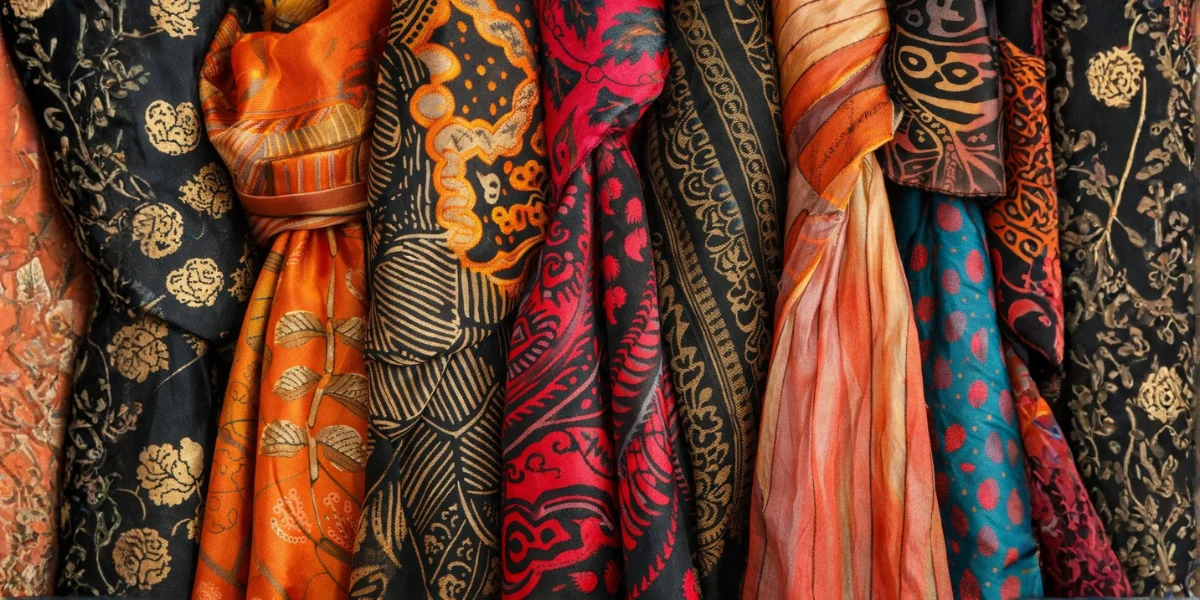
One of the most distinctive features of silk is its lustrous sheen, which gives it a luxurious and elegant appearance. This sheen is due to the triangular prism-like structure of the silk fibers, which refracts light in multiple directions, creating a shimmering effect.
The way silk drapes and falls is also due to this unique fiber structure. Silk fabrics tend to flow gracefully, accentuating curves and creating a flattering silhouette. This draping quality makes silk a popular choice for evening gowns, blouses, and other garments where elegance is paramount.

7. Absorbent and Adaptable: Versatile Applications of Silk

Silk is surprisingly absorbent, capable of absorbing up to 30% of its weight in moisture without feeling damp. This absorbency makes silk comfortable to wear in a variety of climates, as it helps to wick away sweat and keep the skin dry.

Silk’s absorbency also makes it an excellent material for dyeing. Silk fibers readily absorb dyes, resulting in rich, vibrant colors that last for years. This makes silk a popular choice for clothing, accessories, and home décor items that require a wide range of colors and patterns. Clothing manufacturers often choose silk for this reason.

8. Beyond Fashion: Silk in Medical Applications

10 Facts About Silk Fabric, Silk Production, History Of Silk, Silk Fabric Properties, Silk Uses, Types Of Silk Fabric, silk fabric, silk texture, silk threads, silk weaving, silk pattern, silk material, silk production, silk quality, silk sheen, silk luxury, silk origin, silk history, silk fashion
While silk is best known for its uses in clothing and textiles, it also has a wide range of medical applications. Silk sutures, for example, have been used in surgery for centuries due to their strength, flexibility, and biocompatibility.
Silk sutures are less likely to cause inflammation or allergic reactions compared to synthetic sutures, making them a safe and effective choice for wound closure. Silk is also being explored as a biomaterial for tissue engineering and drug delivery due to its biocompatibility and ability to promote cell growth.

9. Variety is the Spice of Silk: Exploring Different Types of Silk Fabric

Not all silk is created equal. Different types of silk fabric are produced by different species of silkworms, each with its own unique characteristics. Mulberry silk, produced by Bombyx mori silkworms, is the most common type of silk and is known for its softness, luster, and strength.
Eri silk, also known as “peace silk,” is produced by Samia cynthia ricini silkworms and is harvested after the silkworm has emerged from the cocoon. This makes Eri silk a more sustainable and ethical option compared to traditional silk production methods.
Muga silk, native to Assam, India, is prized for its golden hue and shimmering appearance. It is one of the rarest and most expensive types of silk in the world. Spider silk, though not produced by silkworms, is another type of silk that is being explored for its exceptional strength and elasticity.

10. Eco-Friendly Elegance: The Biodegradable Nature of Silk

In an era of growing environmental awareness, silk stands out as a relatively sustainable and eco-friendly fabric. Silk is a natural protein fiber that is biodegradable, meaning it will decompose naturally over time.
Unlike synthetic fabrics that can persist in the environment for hundreds of years, silk breaks down into its constituent amino acids, enriching the soil and providing nutrients for plants. This makes silk a more sustainable choice for consumers who are looking to reduce their environmental impact.

Conclusion: A Timeless Treasure

Silk is more than just a luxurious fabric; it’s a testament to human ingenuity, the wonders of nature, and the enduring appeal of timeless elegance. From its ancient origins in China to its modern-day applications in fashion, medicine, and beyond, silk continues to captivate and inspire. By understanding the 10 facts about silk fabric behind this remarkable textile, we can appreciate its beauty, value, and enduring legacy. As you touch the smooth, cool surface of a silk scarf or admire the flowing drape of a silk gown, remember the intricate process, the patient silkworms, and the rich history of silk that have made silk one of the most cherished fabrics in the world.

FAQ's

Silk is a natural fiber and biodegradable, making it more sustainable than synthetic options. However, traditional silk production involves boiling silkworm cocoons, which some consider unethical. “Peace silk” or Ahimsa silk offers a more humane alternative, as the silkworms are allowed to emerge before harvesting the silk.

Most silk garments require delicate care. Hand washing in cool water with a gentle detergent is recommended. Avoid harsh chemicals and wringing the fabric. Air dry away from direct sunlight. Some silk items can be dry cleaned, but always check the care label.

Common types include Mulberry silk (the most common), Eri silk (a more sustainable option), Muga silk (known for its golden color), and spider silk (still in research due to its strength). Each type has unique characteristics.

Yes, silk is naturally hypoallergenic and gentle on the skin. Its smooth fibers reduce friction and irritation, making it a good choice for people with eczema or other skin sensitivities.

Silk production is labor-intensive. It requires raising silkworms, carefully harvesting the silk, and processing the fibers. The quality of the silk, the rarity of the type (like Muga silk), and the craftsmanship involved also contribute to the cost.