Indian Textiles In European Market

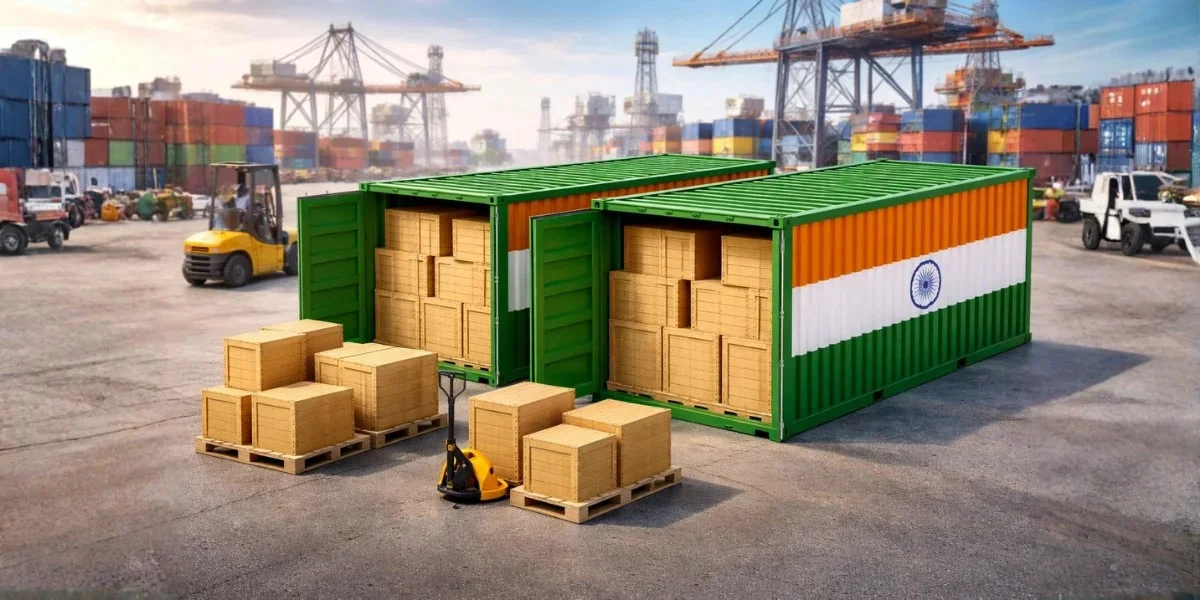
The presence of Indian textile in the European market has reached a historic milestone in 2026 following the landmark India-EU Free Trade Agreement. This pact has dismantled the 10–12% tariff barriers that previously hindered growth, allowing Indian textile in the European market to compete on a level playing field with global rivals. With zero-duty access now a reality, European retailers are aggressively shifting their sourcing strategies toward India. This transition is not just about cost; it represents a move toward reliable, high-quality, and ethically manufactured goods that meet the sophisticated demands of modern European consumers and fashion houses.

Indian Textile Exporters

Leading Indian textile exporters are currently undergoing a massive digital and sustainable transformation to align with EU regulations. By investing in solar-powered facilities and zero-liquid discharge systems, these Indian textile exporters have become the preferred partners for “Green Deal” compliant fashion. These businesses are moving beyond traditional high-volume manufacturing to offer design-led solutions and technical textiles. As vertical integration becomes the industry standard, these exporters are successfully controlling the entire value chain from fiber to final garment, ensuring that every piece exported meets the rigorous quality benchmarks required by premium European labels and large-scale retailers alike.

Textile Export From India

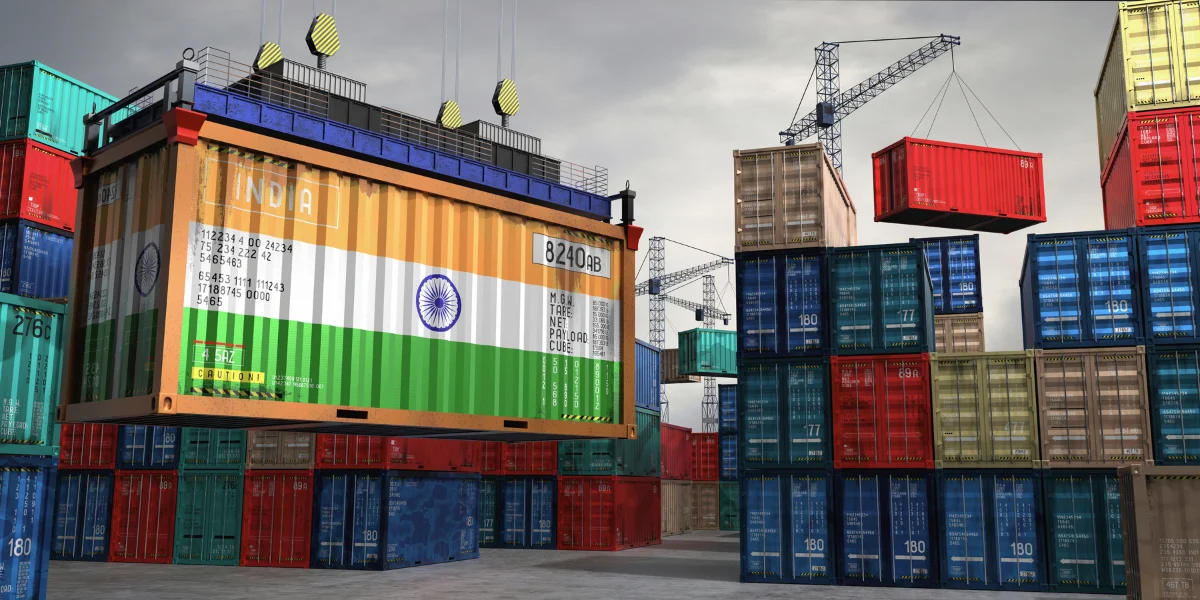
The momentum behind textile export from India is at an all-time high, with projections suggesting a doubling of trade volume within the next three years. A significant driver of this surge is the increased textile export from India to Germany, which remains the largest consumer of Indian organic cotton and home textiles. Strategic government initiatives like the PLI scheme have empowered manufacturers to scale up their production of man-made fibers and technical textiles. Consequently, the textile export from India is diversifying into high-value segments, ensuring that the “Made in India” label is synonymous with both traditional craftsmanship and 21st-century textile innovation.

Textile From India

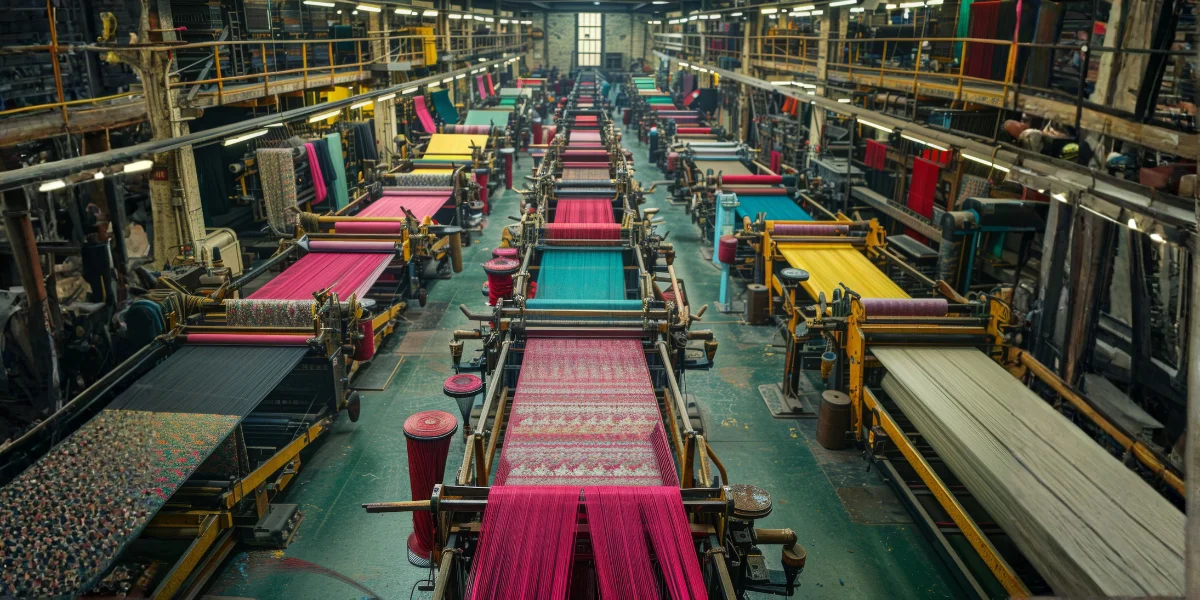
European buyers are increasingly seeking out textile from India due to the country’s unique “farm-to-fashion” self-reliance. This vertical integration allows for complete traceability, which is a mandatory requirement for any India textile export entering the Eurozone today. From the handloom clusters of Varanasi to the massive spinning mills of Gujarat, the variety of textile from India caters to every market niche, including luxury silk, sustainable jute, and high-performance activewear. This supply chain stability, combined with a steady energy supply and modern port logistics, has solidified India’s reputation as the most resilient sourcing hub in the South Asian region.

Apparel Exporters

Top-tier apparel exporters in India, such as Shahi Exports and Pearl Global, are now leading the charge in global fashion supply chains. These apparel exporters have successfully navigated complex EU compliance mandates, including the new Digital Product Passport requirements. By functioning as more than just clothing manufacturers, they provide end-to-end services from trend forecasting to rapid prototyping. This shift has allowed them to capture a larger share of the professional and formal wear segments. As a result, they are no longer just vendors but strategic partners who help European brands maintain agility in a fast-changing and highly competitive retail environment.
Apparel Market Size
The European apparel market size is estimated to exceed $130 billion in 2026, creating a massive vacuum for high-quality, duty-free imports. As the largest exporter of textile raw materials in the region, India is perfectly positioned to fill this demand as European brands seek alternatives to traditional supply hubs. The growth of the European apparel market size is increasingly driven by e-commerce and sustainable “circular” fashion, areas where Indian garment exporters from India excel. With a 15–20% annual growth forecast, India is on a clear path to becoming the largest exporter of textile goods to Europe by the end of the decade.
Indian Textiles In European Market, Indian Textile Exporters, Textile Export From India, Textile From India, Apparel Exporters, Apparel Market Size, Silk Appeal

Indian Textile in the European Market: The New Era of Global Sourcing

Indian Textile in the European Market: The New Era of Global Sourcing

The global apparel market size is reaching new heights in 2026, and at the heart of this expansion is the strategic rise of the Indian textile industry in the European market. As European retailers look to diversify their supply chains beyond traditional hubs, India has emerged as a powerhouse for sustainable, high-quality, and ethically manufactured goods.
With the recent momentum in trade negotiations and a focus on “Make in India” India textile export figures are witnessing a transformative shift, particularly toward fashion-forward nations like Germany, France, and Spain

The Strategic Shift: Why Europe is Turning to India
Indian Textiles In European Market, Indian Textile Exporters, Textile Export From India, Textile From India, Apparel Exporters, Apparel Market Size, Silk Appeal
For decades, the European Union has been a critical destination for apparel exporters. However, 2026 marks a turning point where Indian textile exporters are no longer just seen as high-volume suppliers but as partners in innovation and sustainability.

1. Competitive Advantage and Trade Pacts

The landscape of textile export from India to Germany and the broader EU has been revitalized by nearing Free Trade Agreements (FTAs). These pacts aim to eliminate the 9–12% tariff disadvantage Indian goods previously faced, putting them on equal footing with competitors.

2. Sustainability and Compliance

European consumers are demanding “green” fashion. Indian clothing manufacturers have responded by investing in:
Solar-powered factories and zero-liquid discharge (ZLD) dyeing processes.
Traceability through digital product passports.
Organic certifications like GOTS and OEKO-TEX are mandatory for the modern European apparel market.

Key Stats: India’s Footprint in Europe (2025-2026)

Metric

Details

EU Apparel Import Market

~$263 Billion

India's Textile Export to EU

~$7.6 Billion (FY25)

Top EU Destinations

Germany, UK, Spain, France

Growth Leader

Ready-Made Garments (RMG) & Technical Textiles

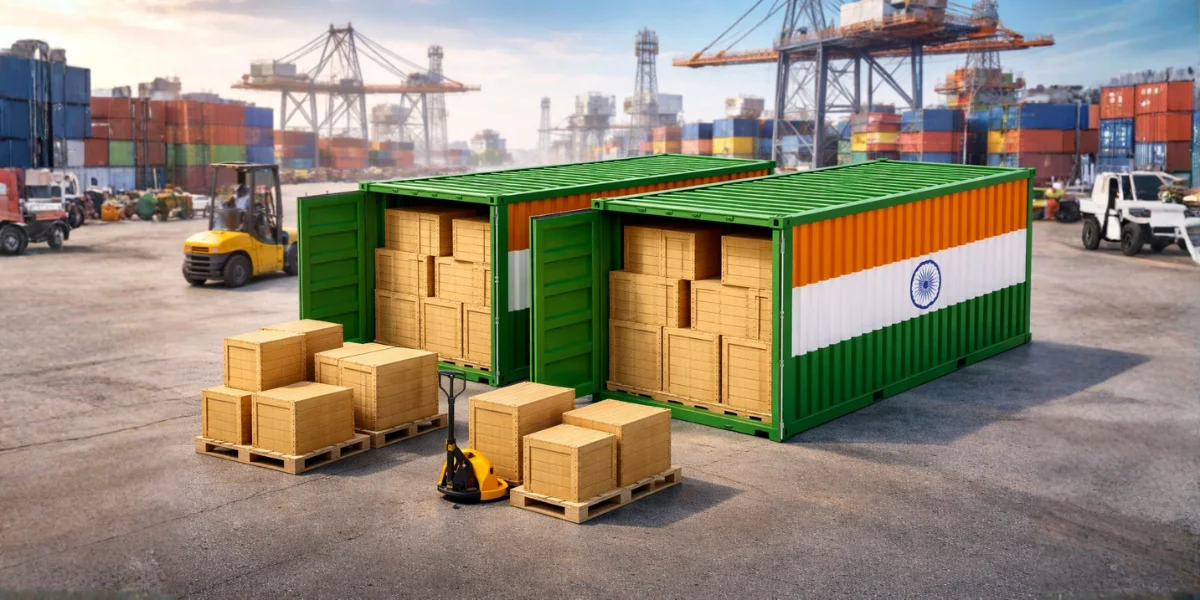
How to Export Textiles from India to Europe
Indian Textiles In European Market, Indian Textile Exporters, Textile Export From India, Textile From India, Apparel Exporters, Apparel Market Size, Silk Appeal
Navigating the logistics of international trade requires precision. If you are looking to export textiles from India, following these steps is crucial for success in 2026:
1. Compliance:
Ensure your products meet REACH (chemical) and ESPR (eco-design) regulations.
2. Documentation:
Secure your Import-Export Code (IEC), RCMC from the Apparel Export Promotion Council (AEPC), and a Certificate of Origin.
3. Logistics:
Partner with experienced garment exporters from India who understand the Union Customs Code (UCC) for seamless entry into Eurozone ports.

Germany: The Gateway for Indian Textiles
Indian Textiles In European Market, Indian Textile Exporters, Textile Export From India, Textile From India, Apparel Exporters, Apparel Market Size, Silk Appeal
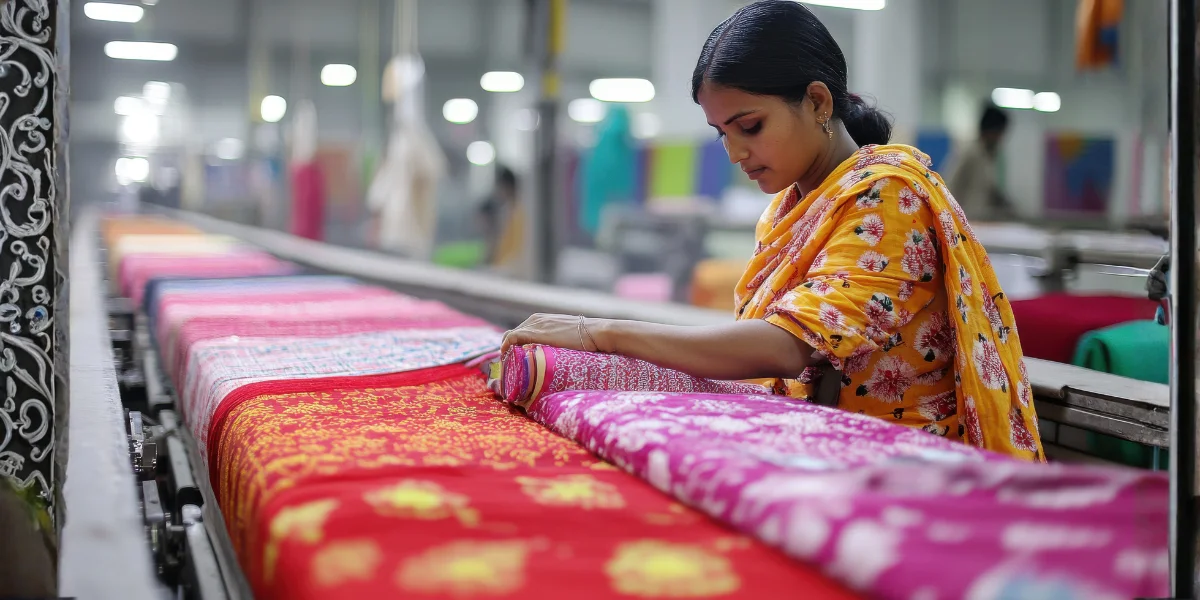
Germany remains the largest exporter of textile products within Europe and a primary consumer of Indian cotton and silk. The textile export from India to Germany has grown by nearly 3% year-on-year, driven by a high demand for home textiles and professional workwear.
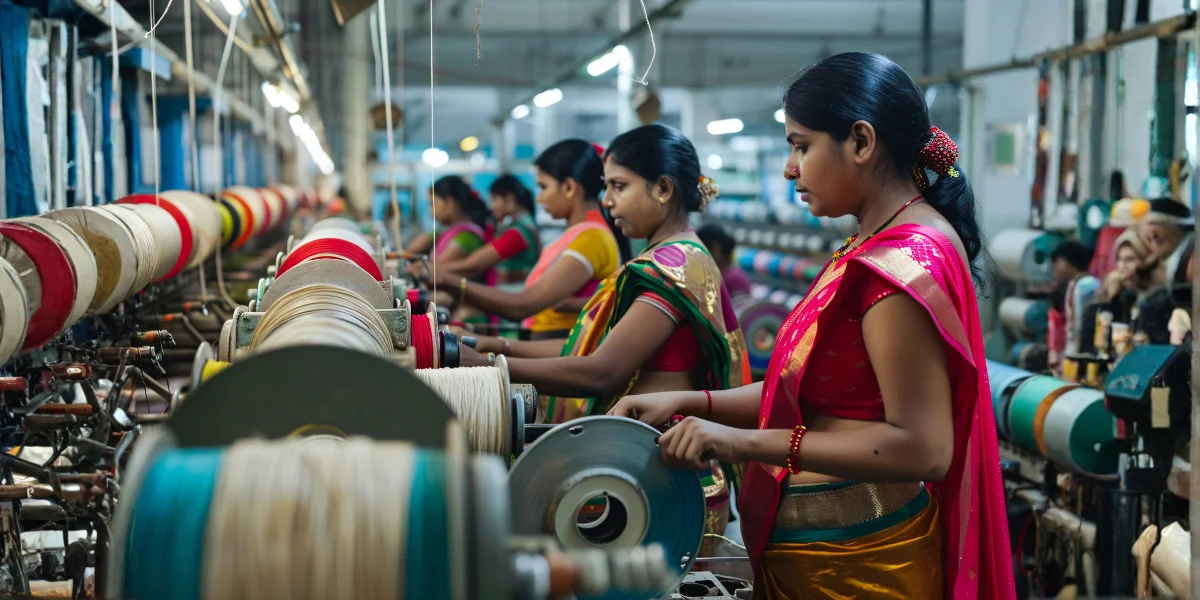
Indian clothing manufacturers based in hubs like Tiruppur and Surat are now customizing designs specifically for the “function-first” German aesthetic, blending durability with modern European cuts.

Navigating the Export Process in 2026

For businesses looking to export textile from India, the roadmap has been simplified but remains rigorous regarding compliance.
Rules of Origin:
To benefit from zero tariffs, products must be “sufficiently transformed” within India.
Digital Documentation:
The transition to electronic Certificates of Origin has made the process for apparel exporters faster and more transparent.
Compliance with REACH:
All textiles entering the EU must adhere to strict chemical safety regulations, a standard that top-tier Indian labs are now fully equipped to verify.

Conclusion

The presence of Indian textile in the European market is stronger than ever. By combining ancient craftsmanship with 21st-century sustainability, India is not just filling a gap in the supply chain it is defining the future of European fashion.

FAQ's

The textile industry is a vast global network involved in the design, production, and distribution of yarn, fabrics, and finished garments. It encompasses everything from the cultivation of natural fibers (like cotton and wool) or the creation of synthetic fibers (like polyester) to the weaving, dyeing, and finishing of textiles for the apparel market.

The industry in India operates through a unique “farm-to-fashion” model. It begins with raw material production (India is a leading producer of cotton and jute), followed by the “unorganized sector” consisting of traditional handlooms and handicrafts, and the “organized sector” which includes modern spinning, weaving, and processing mills. Finally, clothing manufacturers and garment exporters from India convert these fabrics into finished products for domestic use and international trade.

The textile industry is a critical pillar of the economy for several reasons:

  • Employment: It is one of the largest employers, providing livelihoods to millions of people, including a significant percentage of women.
  • GDP Contribution: It contributes substantially to the national GDP and industrial production.
  • Foreign Exchange: As a major apparel exporter, the industry generates billions in foreign currency through the export of textiles from India to regions like Europe and North America.

Textile manufacturing is the technical process of converting raw fibers into finished cloth. This involves several distinct stages:

  1. Spinning: Turning fibers into yarn.
  2. Weaving/Knitting: Interlocking yarns to create fabric.
  3. Chemical Processing: Dyeing, printing, and finishing to add color and functional properties (like water resistance).
  4. Garmenting: Cutting and sewing the fabric into final wearable items by clothing manufacturers.

The Indian textile industry is considered “self-reliant” (or Atmanirbhar) because it possesses a complete value chain within the country. Unlike many nations that must import raw cotton or yarn to produce clothes, India has everything from an abundant supply of raw materials and world-class spinning mills to advanced apparel clothing production facilities. This independence allows Indian textile exporters to control costs and quality at every stage of production.