Why Germany Imports Textiles from India

Germany’s preference for Indian textiles is driven by a unique combination of raw material security and ethical compliance. India is a global leader in organic cotton, providing German brands with the sustainable materials required by eco-conscious European consumers. Furthermore, the 2026 economic landscape has seen a shift toward “de-risking” supply chains. German firms are increasingly diversifying away from other hubs, viewing India as a stable, democratic partner. With the landmark India-EU Free Trade Agreement nearing full implementation, the elimination of 10–12% tariffs have made Indian goods more competitive than ever.

Germany Imports Textile from India

The scale of Germany imports textile from India reflects a sophisticated multi-tier market. In early 2026, German apparel imports rebounded by over 11%, reaching $46.8 billion, with India capturing a significant share of this growth. German buyers prioritize India for high-value items like home textiles, professional workwear, and knitwear. This trade is bolstered by India’s “Industry 4.0” adoption, where factories use IoT and blockchain for traceability. This transparency allows German importers to verify labor standards and environmental footprints in real-time, satisfying the strict requirements of the German Supply Chain Due Diligence Act.

Exporters of Clothing to Germany

For exporters of clothing to Germany, success in 2026 depends on “function-first” design and rigorous certification. Indian firms have moved beyond basic garments to provide specialized items like anti-bacterial medical scrubs, high-performance sportswear, and GOTS-certified luxury apparel. Major export hubs like Tirupur and Surat have tailored their production lines to meet European sizing and durability standards. These exporters act as strategic partners, offering design-to-delivery services that reduce lead times. By maintaining local warehouses in Europe and utilizing faster sea-freight corridors, they ensure that German retailers can maintain “Just-in-Time” inventory levels.

Indian Textile Exporters

Modern Indian textile exporters are no longer just vendors; they are global leaders in sustainable manufacturing. Following the Union Budget 2026-27, the Indian government has poured billions into Mega Integrated Textile Regions and Apparel (MITRA) parks, significantly lowering production overheads. These exporters lead the market by offering “Circular Fashion” solutions, such as recycled polyester and waterless dyeing processes. By adhering to OEKO-TEX and SA8000 standards, they provide the safety and social guarantees that German corporations demand. This commitment to both tradition and technology ensures India remains the top choice for Germany’s diverse textile needs.

Why Germany Imports Textiles from India, Germany Imports Textile from India, Exporters of Clothing to Germany, Indian Textile Exporters, Silk Appeal

Why Germany Imports Textiles from India: A Deep Dive into Why Indian Exporters Lead the Global Market

Why Germany Imports Textiles from India: A Deep Dive into Why Indian Exporters Lead the Global Market

Germany is renowned for its precision engineering and high-quality standards, yet when it comes to the fabric of its daily life, it looks toward the East. Germany imports textiles from India at an unprecedented scale, creating a robust trade corridor that bridges the gap between traditional craftsmanship and modern industrial demands.
In 2025-2026, the partnership has reached new heights. As German manufacturing indices hit multi-year highs, the demand for Indian textiles has surged, driven by a need for diversification and high-compliance manufacturing. But why does India consistently beat out global competition?

1. A Legacy of Craftsmanship Meets Modern Scale
Why Germany Imports Textiles from India, Germany Imports Textile from India, Exporters of Clothing to Germany, Indian Textile Exporters, Silk Appeal
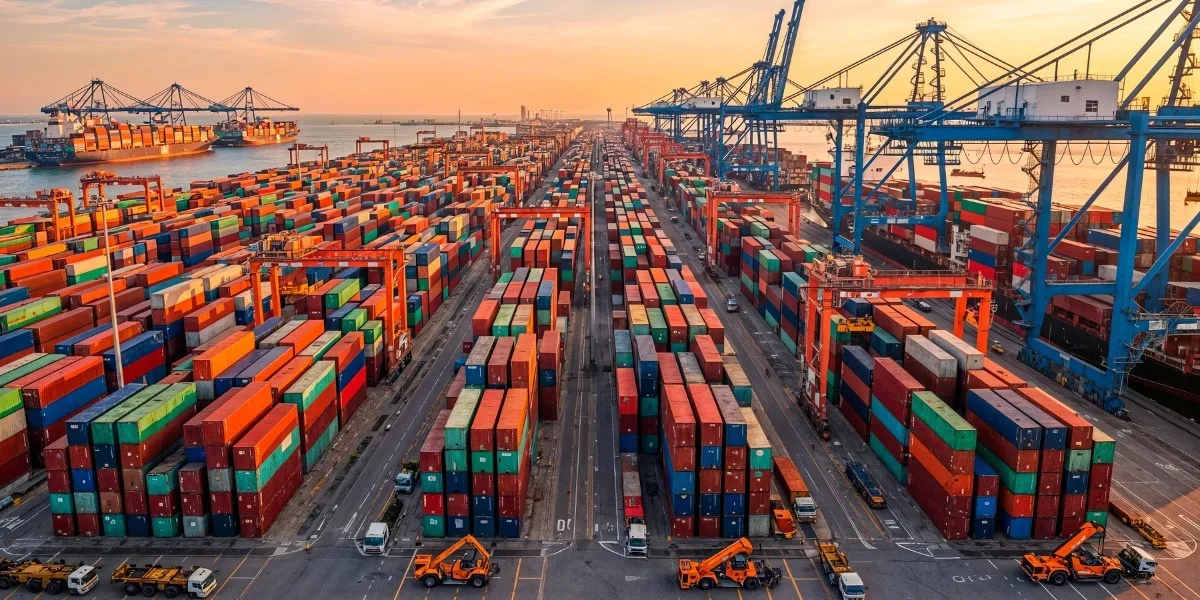
The Indian textile industry is a cornerstone of the national economy, valued at nearly $179 billion. For Indian textile exporters, the business is a blend of heritage and high-tech evolution.
1. Vertical Integration:
India is one of the few nations with a complete value chain from fiber production (cotton, jute, silk) to spinning, weaving, and garment manufacturing.
2. Skill Diversity:
Whether it’s high-precision machine-knitted fabrics for German sportswear or intricate hand-embroidery for luxury boutiques in Berlin, Indian clothing exporters offer a spectrum of production that few nations can match.

2. The Cotton Advantage: Organic and Sustainable
Why Germany Imports Textiles from India, Germany Imports Textile from India, Exporters of Clothing to Germany, Indian Textile Exporters, Silk Appeal
India is a global leader in cotton production, particularly in the organic sector. For Germany clothing importers, this proximity to raw materials translates into:
1. Cost Efficiency:
Since the raw material is sourced locally, Indian textile exporters are shielded from the volatility of international shipping costs for fibers.
2. Green Leadership:
With Germany’s high demand for sustainable fashion, India’s status as a top producer of GOTS-certified organic cotton aligns perfectly with the European “Green” consumer mindset.

3. Compliance and the "German Standard"

German buyers are notoriously strict regarding quality and ethics. The introduction of the German Supply Chain Due Diligence Act (LkSG) has further intensified this. Indian clothing exporters have pivoted significantly to meet these “German Standards.”

Key Certifications Held by Top Indian Exporters:

Certification

What it Represents

GOTS

Global Organic Textile Standard (The gold standard for organic fibers).

OEKO-TEX

Ensures textiles are free from harmful chemicals and residues.

SA8000

Social accountability and fair labor practices (Crucial for LkSG).

ISO 9001

International standards for quality management systems.

By investing in these certifications, exporters of clothing to Germany have built a level of trust that makes them preferred partners over less-regulated alternatives.

4. Why Germany Imports Textiles from India Market: Strategic Value

While countries like Bangladesh may offer lower base labor costs, India leads in value-added textiles.
Germany’s imports of textiles from the Indian market are characterized by a demand for “Mid-to-High” segment products. German brands seek more than just “basic” apparel; they look for specialized finishing, unique dyes, and durable home textiles. Indian exporters provide the perfect middle ground: more affordable than European manufacturers but with higher technical sophistication than low-cost hubs.

5 Technology and Industry 4.0: The Indian Factory of 2026

The modern Indian factory is a hub of innovation. To stay ahead, Indian textile exporters have embraced European-grade technology, often importing German machinery (like Kuris cutting systems or ZSK embroidery machines) to ensure precision.
1. Digital Traceability:
Using blockchain to track a garment’s journey from a farm in Gujarat to a storefront in Munich.
2. IoT Integration:
Real-time production tracking that ensures 100% transparency for German auditors.
3. Resource Efficiency:
Implementing Waterless Dyeing and Zero Liquid Discharge (ZLD) systems to reduce environmental footprints.

6. Strategic Trade Relations and De-risking

As of 2026, the Germany textile industry is actively pursuing a “De-risking” strategy to diversify away from over-dependence on a single source (like China).
1. Balanced Trade:
Unlike many trade partners, India and Germany maintain a relatively balanced trade relationship, making India a politically and economically stable ally.
2. Free Trade Agreements:
Recent progress in India-EU FTA negotiations has paved the way for reduced tariffs, making Indian textiles even more competitive in the Eurozone.

7. Sustainability: The New Competitive Edge

The German consumer is arguably the most eco-conscious in the world. Indian manufacturers have responded by:
1. Transitioning to solar-powered factories.
2. Scaling up Man-Made Fibre (MMF) and technical textiles under the government’s PLI scheme.
3. Focusing on “Residue-Free” cotton to ensure safety and quality.
This alignment with European ESG (Environmental, Social, and Governance) goals makes Indian exporters “future-proof” partners for the German clothing importers.

Conclusion: Why India Remains the Top Choice

Germany’s reliance on Indian textiles is a strategic choice. It is based on versatility, ethical compliance, and a proven track record of quality. As the global market shifts toward “Slow Fashion” and ethical consumption, India’s ability to blend ancient textile wisdom with 21st-century technology ensures it will remain a leader in the global textile market.

FAQ's

Germany primarily imports cotton garments, home textiles (bed linens, towels), organic apparel, and technical textiles used in industrial sectors. India is a key supplier for both high-street brands and luxury labels.

Leading names include Shahi Exports, Orient Craft, and Bombay Rayon Fashion Ltd (BRFL), alongside a new wave of sustainable, low-MOQ specialists like No Name Global.

India offers a unique mix of high-quality raw materials (organic cotton), strict adherence to the German Supply Chain Due Diligence Act (LkSG), and advanced manufacturing technology that ensures precision and sustainability.

The market has shifted toward technical textiles and sustainable fashion, driven by new EU regulations and the progress of the India-EU Free Trade Agreement.

Germany primarily imports cotton garments, organic apparel, home textiles (like bed linens and towels), and technical textiles used in industrial sectors.

Leading exporters include Shahi Exports, Orient Craft, and Bombay Rayon Fashion Ltd (BRFL), along with sustainable specialists like No Name Global.

India combines high-quality organic cotton with strict adherence to the German Supply Chain Due Diligence Act (LkSG) and advanced “Industry 4.0” manufacturing technology.