
The Future of Fashion: Printed Scarves Manufacturing for Germany in India
The Future of Fashion: Printed Scarves Manufacturing for Germany in India
The Design Philosophy: Where Bauhaus Meets Bharat

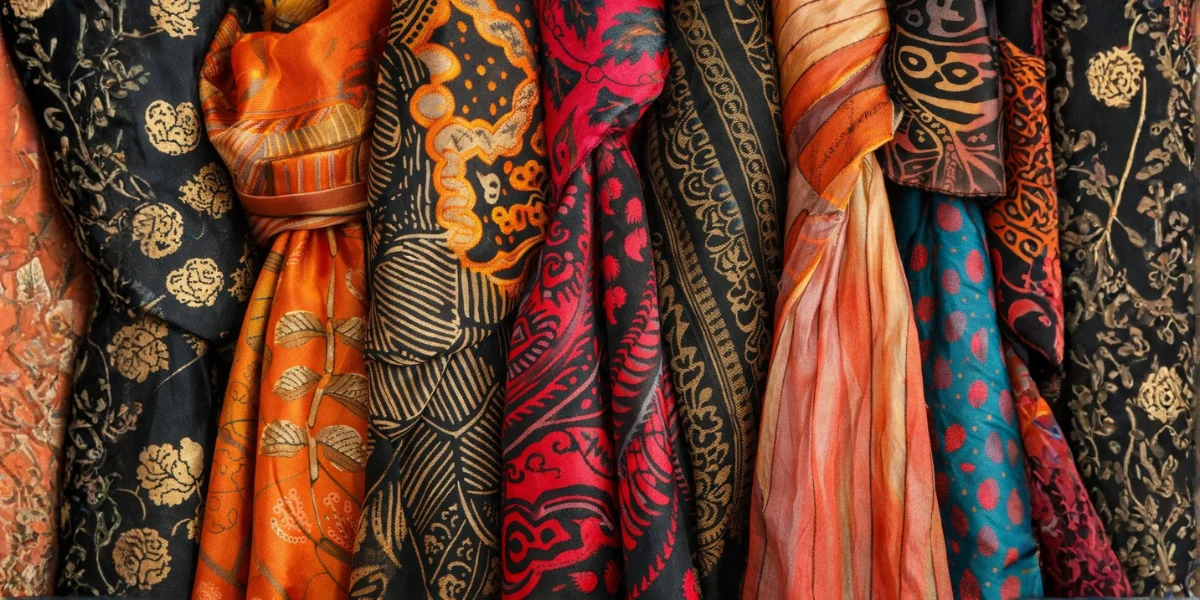
Print design for the German market requires a delicate balance of minimalist European aesthetics and intricate Indian artistry. While India is famous for its vibrant palettes, 2026 trends for scarves for women in Germany favor “Quiet Luxury” muted, emotionally stable tones like vanilla neutrals, sage green, and deep plum.
Trend-Setting Print Styles:
Scarf Material: The Foundation of Quality
Material Type | Best Use Case | Sustainability Factor |
Organic Cotton | Everyday types of scarves | Uses 91% less water than conventional cotton. |
Peace Silk (Eri) | Luxury/Boutique lines | Cruelty-free; the silkworm completes its life cycle. |
Linen & Hemp | Resort & Summer stoles | Highly breathable and naturally pest-resistant. |
Recycled Polyester | Corporate & High-street | Diverts plastic from oceans; GRS certified. |
Manufacturing Innovations: Digital vs. Traditional

Digital Printed Scarves
Block Printed Cotton Scarves
The Sustainable Concept: The New Industry Standard

Why Partner with India for Printed Scarves?
Conclusion
FAQ's
The most common types are screen printing (durable for large batches), digital printing (ideal for high-detail designs), sublimation (permanent dye for synthetics), and traditional block printing (hand-carved artisanal patterns). Each method is chosen based on the fabric type and the complexity of the design.
Scarves are made from natural fibers like silk for luxury, wool or cashmere for warmth, and cotton or linen for breathability. Synthetic options like polyester and acrylic offer durability at a lower cost, while sustainable blends using recycled materials are becoming popular in 2026.
Print design is the creative process of developing seamless patterns or illustrations specifically for fabric surfaces. It requires technical knowledge of “repeats” and color chemistry to ensure the design remains vibrant and looks professional once applied to the material.
A placement print is a single, specific design positioned on one part of the garment (like a logo on a chest), while an all-over print (AOP) covers the entire surface of the fabric with a repeating pattern.
To preserve the print, always wash scarves in cold water using a mild detergent and avoid direct sunlight when drying. For delicate materials like silk or hand-blocked cotton, dry cleaning or gentle hand-washing is recommended to maintain color vibrance.