Exporters Of Clothing To Germany, Indian Textile Exporters, Germany Textile Industry, Indian Clothing Manufacturer, Clothing Importers in Germany, Silk Appeal

Why India is Becoming the Preferred Choice for Exporters of Clothing to Germany

Why India is Becoming the Preferred Choice for Exporters of Clothing to Germany

Exporters Of Clothing To Germany

As leading Exporters Of Clothing To Germany, Indian firms are vital contributors to the European fashion landscape, delivering high-quality garments that meet rigorous EU standards. These Exporters Of Clothing To Germany specialize in sustainable and organic apparel, catering to a market that increasingly values ethical production and eco-friendly materials. By combining traditional craftsmanship with modern manufacturing technology, they provide German retailers with reliable supply chains and trend-accurate designs. This robust trade partnership ensures that premium Indian-made clothing reaches the shelves of major German cities, strengthening the economic ties between the two nations through excellence in textile trade.

Indian Textile Exporters

The global market relies heavily on Indian Textile Exporters for their unparalleled variety of natural fibers, including cotton, silk, and jute. These Indian Textile Exporters have successfully transitioned into the digital age by adopting sustainable weaving techniques and transparent supply chain tracking. By offering everything from raw fabrics to finished home textiles, they cater to diverse international sectors ranging from luxury fashion to industrial applications. Their commitment to fair trade and GOTS-certified production makes them preferred partners for global brands looking for quality and heritage. As innovation continues, India remains a cornerstone of the global textile manufacturing industry.

Germany Textile Industry

The Germany Textile Industry is one of the most technologically advanced in the world, shifting its focus from traditional garment production to high-tech functional fabrics. Currently, the Germany Textile Industry leads the way in medical textiles, automotive upholstery, and protective clothing, demanding high-performance materials from global suppliers. While the domestic focus is on technical innovation, there is a strong reliance on international partners for fashion and lifestyle apparel. This creates a symbiotic relationship where German engineering meets global manufacturing expertise, ensuring the market remains supplied with both specialized industrial textiles and high-street fashion collections.

Indian Clothing Manufacturer

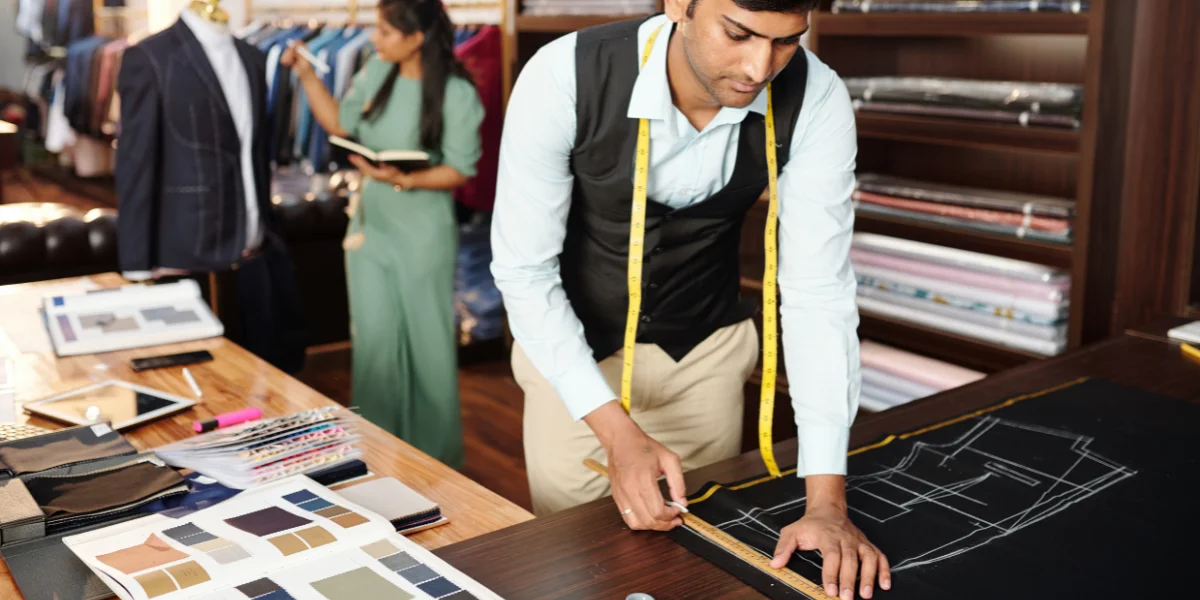
Partnering with a top-tier Indian Clothing Manufacturer allows international brands to leverage a unique blend of artisanal skill and high-volume production efficiency. A modern Indian Clothing Manufacturer offers end-to-end services, including design development, sampling, and rigorous quality control to ensure every garment meets global retail specifications. With the rise of “Make in India” initiatives, these factories have upgraded to state-of-the-art machinery and ethical labor practices. Whether producing intricate hand-embroidered pieces or large batches of knitwear, these manufacturers provide the flexibility and technical expertise required to thrive in the fast-paced, competitive world of global fashion.

Clothing Importers in Germany

For Clothing Importers in Germany, sourcing from diverse markets like India is a strategic move to balance cost-efficiency with high-quality craftsmanship. These Clothing Importers in Germany act as essential gatekeepers, ensuring that all imported apparel complies with strict European safety and environmental regulations. They focus on building long-term relationships with ethical factories that can deliver on-trend designs for the sophisticated German consumer base. As the demand for sustainable “slow fashion” increases, these importers are increasingly seeking partners who prioritize transparency and organic certifications, ensuring a steady flow of responsible and stylish products to the European market.

In 2026, the global fashion supply chain is undergoing a seismic shift. As Germany brands seek to diversify away from traditional hubs, India has emerged as the most reliable partner. For any clothing exporter or garment exporters from India, the German market represents the gold standard of European trade.
With Germany’s clothes consumption remaining resilient despite global inflationary pressures, the demand for high-quality apparel clothing

1. Navigating the Germany Textile Industry Requirements
Exporters Of Clothing To Germany, Indian Textile Exporters, Germany Textile Industry, Indian Clothing Manufacturer, Clothing Importers in Germany, Silk Appeal
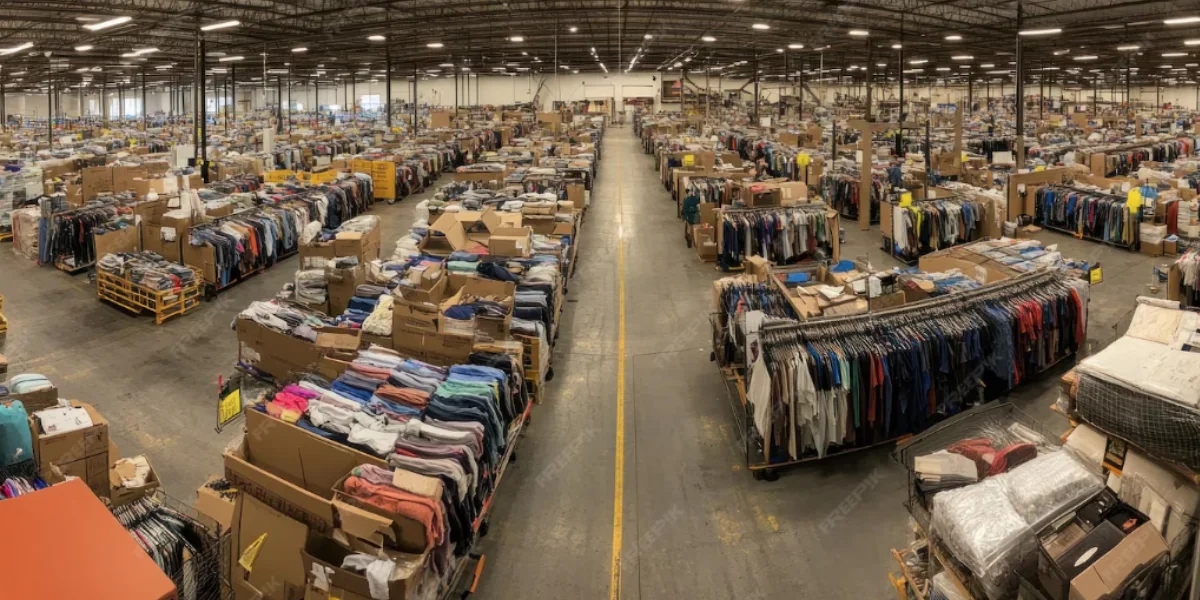
The Germany textile industry is one of the most regulated in the world. With the full implementation of the Supply Chain Due Diligence Act (LkSG) in 2026, Germany buyers are no longer just looking for the lowest price; they are looking for “clean” supply chains.
1. Transparency:
Top Indian textile exporters now provide end-to-end traceability, from the cotton farm to the finished garment.
2. Sustainability:
India leads the world in organic cotton production, a critical requirement for clothing importers in Germany who must meet strict EU green standards.
3. Compliance:
Unlike many other regions, India’s large-scale clothing manufacturer units are often LEED-certified and social-audit compliant (BSCI, Sedex).

2. The Direct Logistics Advantage: India to Germany by Ship
Exporters Of Clothing To Germany, Indian Textile Exporters, Germany Textile Industry, Indian Clothing Manufacturer, Clothing Importers in Germany, Silk Appeal
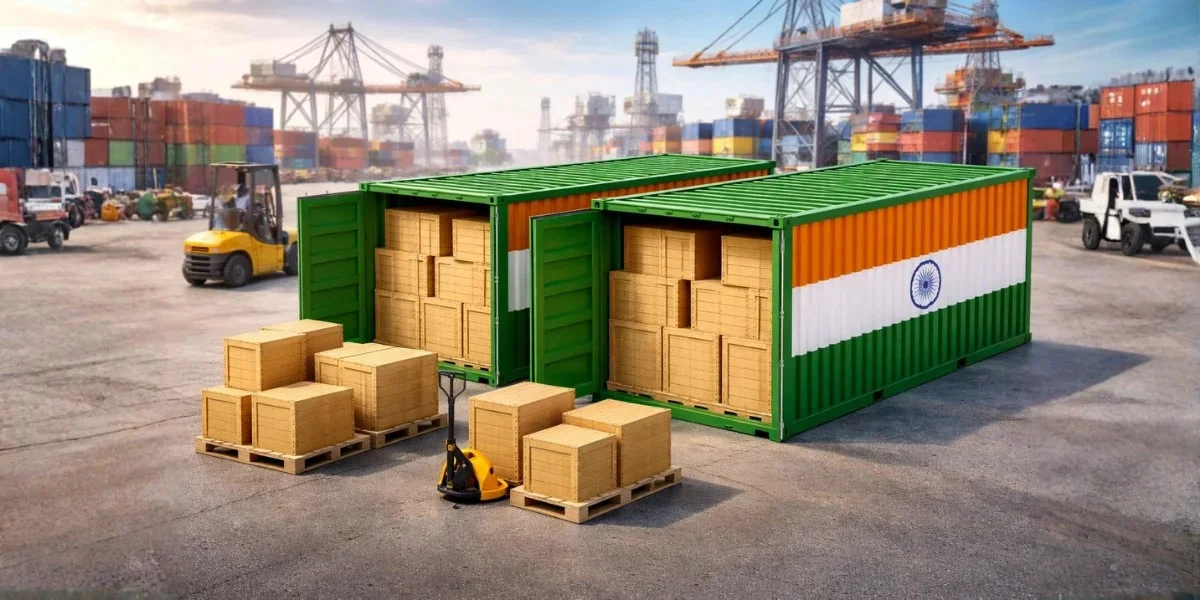
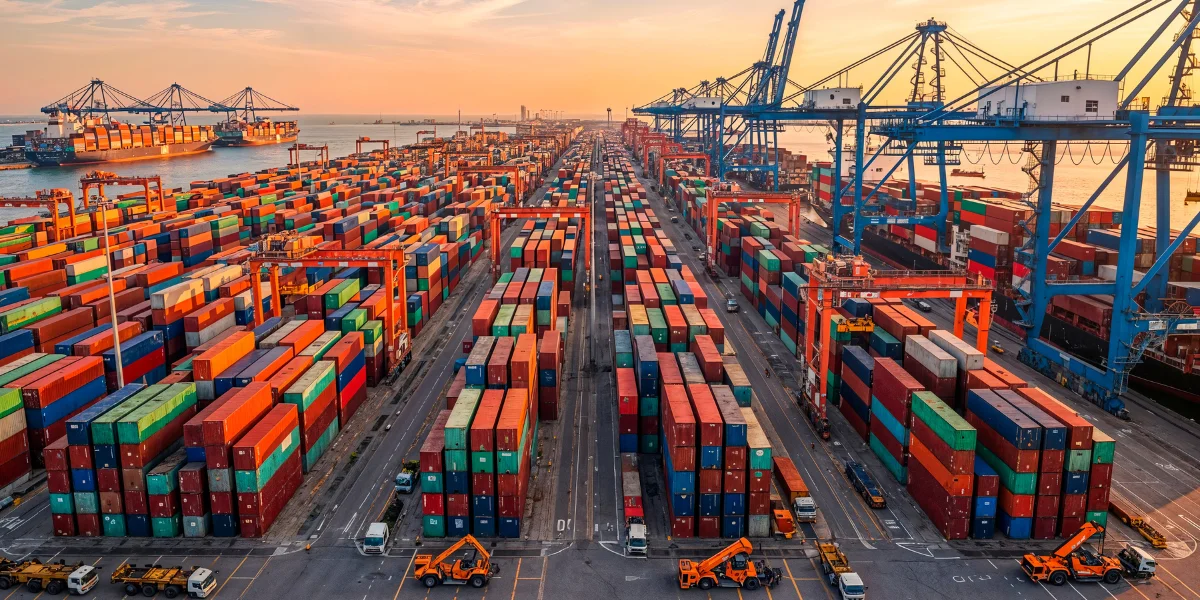
Logistics is the backbone of the export of clothing. For volume-driven orders, exporters of clothing to Germany by ship utilize the strategic maritime corridor connecting India’s western ports to Northern Europe.
1. Key Routes:
Major shipments depart from Nhava Sheva (Mumbai) and Mundra, arriving at the Port of Hamburg or Bremerhaven in approximately 22–28 days.
2. Cost Efficiency:
While air freight is used for “fast fashion” drops, the majority of the export of clothes travels by sea, offering a balanced carbon footprint and lower landed costs for german clothing importers.

3. Why Germany Brands are Migrating to Indian clothing Manufacturers

The partnership between a clothing manufacturer in India and a brand in Berlin or Munich is built on more than just labor costs.

Vertical Integration

India is a “fiber-to-fashion” economy. This means garment exporters from India don’t need to wait for imported fabrics from China or Vietnam. They spin, weave, dye, and stitch within a 100-mile radius, drastically reducing lead times.

Diverse Product Range

Whether it’s high-end apparel clothing for luxury boutiques or mass-market basics, India’s versatility is unmatched:
1. Knitwear:
Specialized clusters in Tiruppur.
2. Woven Garments:
High-fashion hubs in Noida and Gurugram.
3. Technical Textiles:
Growing expertise in performance wear for the active Germany clothes consumption market.

4. Market Trends: Germany's Growing Appetite for Indian Apparel

The following table illustrates why Indian textile exporters are gaining a larger share of the German market compared to previous years.

Factor Impact on Germany Buyers India's Capability

Tariffs
EU-India FTA progress Reduced import duties for clothing.
Sustainability
EU Green Deal / LkSG World leader in recycled polyester & organic cotton.
Digitalization
3D Sampling & AI Reduced sample waste and faster design approvals.
Volume
Scalable production Ability to handle orders from 500 to 500,000 pieces.

5. Tips for Clothing Importers in Germany Sourcing from India

If you are among the many clothing importers in Germany looking to start or expand your Indian sourcing, keep these three factors in mind:
1. Verify Certifications:
Ensure your clothing exporter holds GOTS (Global Organic Textile Standard) or Oeko-Tex certifications.
2. Focus on Value-Addition:
India excels at embroidery, beadwork, and specialized washes elements that allow Germany brands to command higher retail margins.
3. Utilize Port Hubs:
When planning export of clothing, prioritize manufacturers near Mundra or Nhava Sheva to shave days off your shipping schedule.

The Future of Indo-German Apparel Trade

As we look toward 2030, the “Make in India” initiative and Germany’s “Focus on India” policy have created a symbiotic relationship. For every garment exporter from India, the goal is clear: provide the quality, ethics, and speed that the sophisticated German consumer demands.
The export of clothes is no longer just a transaction; it is a high-tech, sustainable partnership that is redefining the global fashion map.

Major Indian Export Hubs Serving Germany

If you are looking for the heart of the export machinery, these four clusters are the primary engines driving the $15 billion+ bilateral trade:
1. Tiruppur (The Knitwear Capital):
Specializes in cotton hosiery and t-shirts. Known for its rapid adoption of eco-friendly dyeing.
2. Bengaluru:
The hub for high-end fashion, technical textiles, and structured formal wear.
3. Surat & Ahmedabad:
Leaders in man-made fibers (MMF) and synthetic blends, perfect for the German “Outdoor & Active” market.
4. NCR (Gurugram/Noida):
Focused on high-fashion, value-added garments with intricate hand-finishing.

Overcoming Challenges: Logistics and Innovation

While the outlook is bullish, exporters of clothing to Germany must navigate 2026’s logistical landscape. Rising freight costs in West Asia have pushed Indian exporters to innovate:
1. AI-Driven Logistics:
Use of predictive analytics to choose the fastest shipping routes to ports like Hamburg and Bremerhaven.
2. 3D Sampling:
To reduce waste and speed up approvals, many Indian firms now use 3D virtual sampling, allowing German designers to approve collections without shipping physical prototypes back and forth.

The Road Ahead: Vision 2030

The Indian Ministry of Textiles has set an ambitious target of $100 billion in exports by 2030. Germany, as India’s largest trading partner in the EU, sits at the center of this vision.
For German brands, the “India Advantage” is no longer just about the price tag. It is about a partnership that offers scalability, stability, and sustainability. As circular fashion becomes the norm in Europe, India’s ability to provide recycled polyester and biodegradable fabrics ensures that it will remain the preferred choice for years to come.

FAQ's

It is the industrial process of converting raw fibers either natural (cotton, wool) or synthetic (polyester, nylon) into finished goods like cloth, clothing, and home decor. It essentially transforms raw materials into usable, flexible materials.

The industry follows a specific “fiber-to-fabric” chain:

  1. Spinning: Cleaning and twisting raw fibers into continuous strands of yarn.
  2. Weaving/Knitting: Interlacing the yarn to create unfinished fabric.
  3. Processing: Washing, bleaching, or dyeing the fabric to add color and patterns.
  4. Finishing: Applying treatments (like softening or waterproofing) to improve performance.
  5. Garmenting: Cutting and sewing the final fabric into the products you see in stores.

Yes, major Indian textile clusters have aligned with REACH (Registration, Evaluation, Authorisation, and Restriction of Chemicals) standards to ensure chemical safety for the European market.

Average sea freight takes 20-30 days, while air-freight corridors have been modernized to deliver high-priority seasonal collections within 3-5 days.

Absolutely. While India excels at scale, the rise of “MSME Clusters” has made it a favorite for German boutique labels seeking artisanal quality in smaller volumes.