
The Ultimate Guide to Private Label Apparel Manufacturing in 2026
The Ultimate Guide to Private Label Apparel Manufacturing in 2026
What is Private Label Apparel Manufacturing?
The State of the Apparel Market in 2026
Key Steps in the Apparel Manufacturing Process
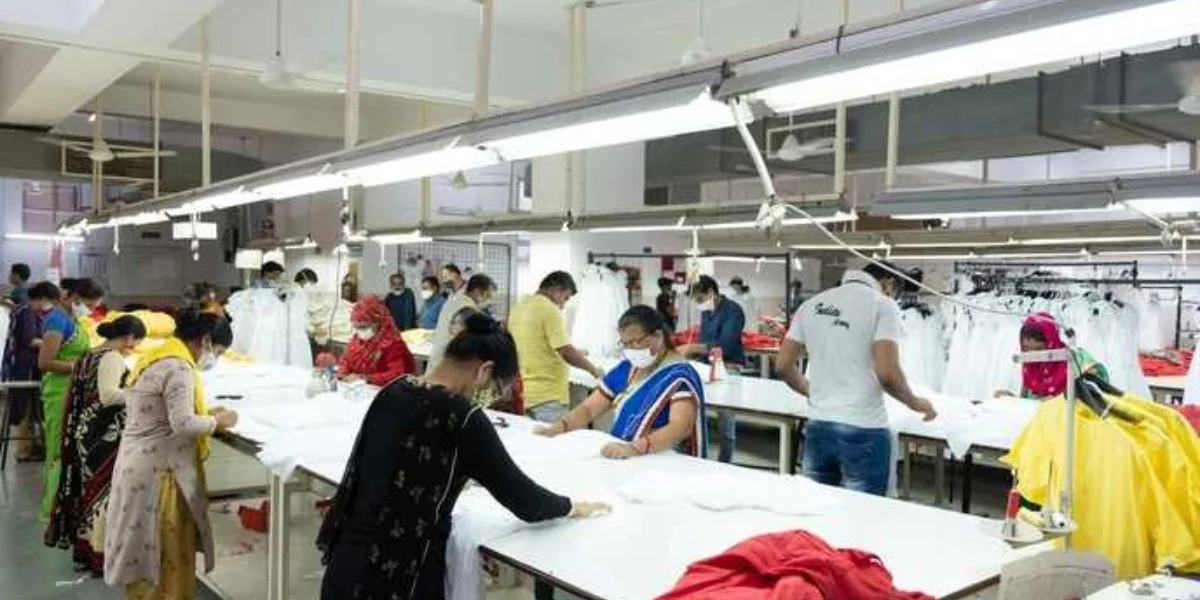
1. Concept and Design
2. Sourcing and Sampling
3. Bulk Production
4. Quality Control and Packaging
Why Choose Apparel Manufacturing of India?
Outsourcing Apparel Manufacturing: Domestic vs. Overseas
Feature Domestic Manufacturing Overseas (e.g., India, Portugal)
How to Find Reliable Apparel Clothing Manufacturers
FAQ's
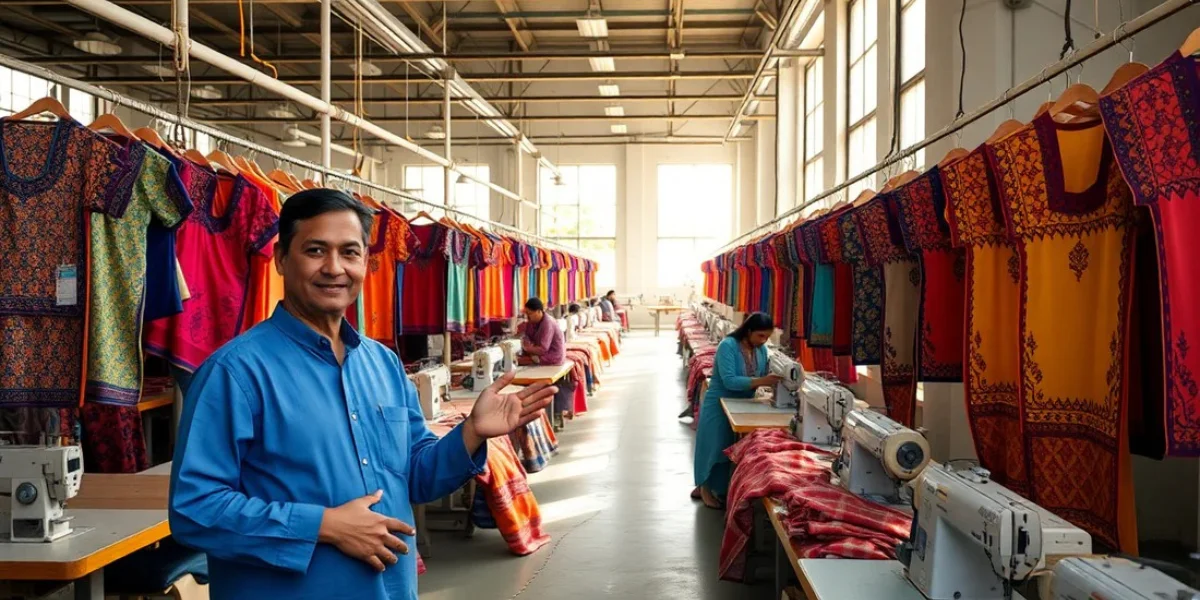
Private label garment manufacturing is a process where a manufacturer produces clothing based on a brand’s specific designs and specifications, which are then sold under the brand’s own name. This allows retailers to offer exclusive products and build brand loyalty without owning their own production facilities. It bridges the gap between creative design and mass production, offering full control over branding and quality.
Fashion brands prioritize partners who offer consistent quality control, transparent supply chains, and the ability to work with sustainable materials like organic cotton. They expect timely delivery schedules, low minimum order quantities for testing new trends, and expert technical support in pattern making and sizing. A reliable partner acts as a strategic extension of the brand, ensuring ethical labor practices and high-caliber craftsmanship.
Private label clothing is custom-made to a brand’s specific designs and requirements, offering exclusivity. White label clothing is a pre-made, generic product that the manufacturer sells to multiple brands who simply add their own logo.
Yes. By working directly with an apparel manufacturing company, you eliminate the middleman (wholesaler), leading to higher profit margins. It also builds “brand equity,” allowing you to charge premium prices for unique designs.
Costs vary widely depending on the apparel clothing type and volume. However, many modern factories now offer “low MOQ” programs starting at 50–100 pieces per style, making it accessible for startups to launch with a budget of $2,000–$5,000.