
Ethical clothing manufacturers are the cornerstone of a transparent global supply chain, moving beyond mere compliance to champion radical accountability. In 2026, these partners are defined by their commitment to social equity, ensuring every worker receives a dignity-based living wage and operates in a safe, empowered environment. By choosing the right partners, brands can mitigate environmental risks and meet the growing consumer demand for integrity. These manufacturers integrate advanced technology with traditional craftsmanship, proving that large-scale production can coexist with deep respect for both people and the planet.
Ethical clothing production is a holistic methodology that redefines how garments are brought to life. It moves away from the exploitative “fast fashion” model, focusing instead on longevity, worker welfare, and minimal ecological footprints. This approach involves rigorous third-party certifications like Fair Trade and SA8000 to verify that human rights are protected at every stage. By prioritizing ethical clothing production, brands build lasting consumer trust and future-proof their operations against increasingly strict global sustainability regulations, ensuring that fashion serves as a force for positive global change rather than depletion.
The integrity of any garment begins with the source. Ethical clothing materials are those harvested and processed with a regenerative mindset. This includes GOTS-certified organic cotton, which eliminates toxic pesticides, and innovative bio-based fibers like Tencel, hemp, and mycelium leather. In 2026, ethical organic clothing is the gold standard, offering superior durability and skin-friendly properties. By selecting these materials, manufacturers significantly reduce water consumption and prevent the shedding of harmful microplastics into our oceans, ensuring that the final product is as kind to the earth as it is to the wearer.
A truly sustainable production process is characterized by a “closed-loop” philosophy where waste is viewed as a resource. This involves utilizing renewable energy to power factories, implementing advanced water-filtration systems to prevent chemical runoff, and adopting zero waste production techniques. AI-driven pattern making now allows clothing manufacturers to maximize fabric efficiency, while any leftover scraps are upcycled into new textile innovations. This meticulous attention to the manufacturing lifecycle ensures that every piece in a clothing collection contributes to a circular economy, drastically reducing the industry’s overall carbon footprint.
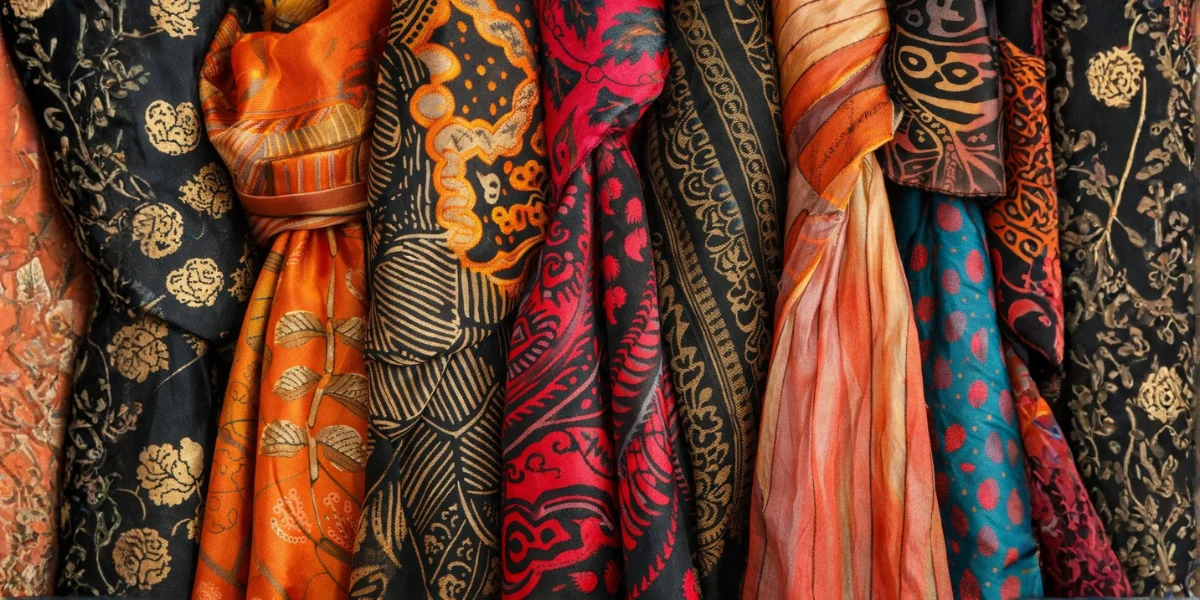
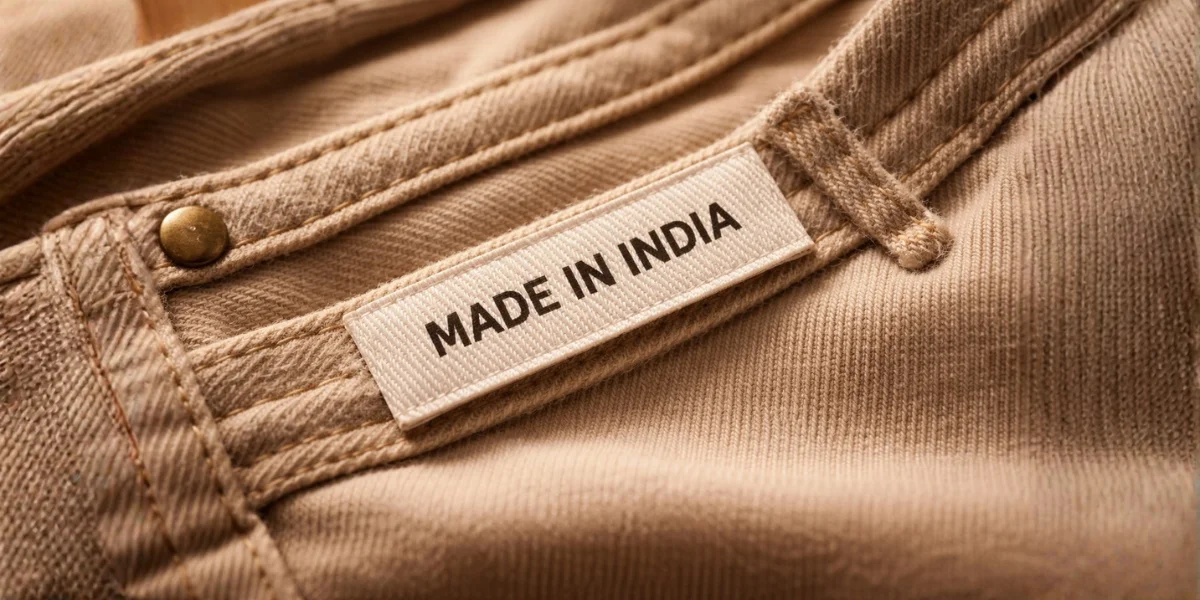
Handloom clothing manufacturers represent the pinnacle of artisanal sustainability, especially when looking at ethical clothing manufacturers in India. Unlike mass-produced textiles, hand-woven fabrics require zero electricity and support rural livelihoods, preserving centuries-old cultural heritage. These manufacturers offer a unique “slow fashion” appeal, producing high-quality, distinctive textures that machines simply cannot replicate. By integrating handloom techniques into a modern clothing collection, brands support a decentralized economy and offer consumers a soulful, low-impact alternative to industrial manufacturing, effectively bridging the gap between ancient tradition and contemporary style.
Ethical Clothing Manufacturers: How Sustainable Production is Shaping the Future of Fashion
Ethical Clothing Manufacturers: How Sustainable Production is Shaping the Future of Fashion
What Defines Ethical Clothing Production?
The Rise of Ethical Clothing Manufacturers in India

Beyond the Label: The Core Pillars of Ethical Production
Social Responsibility and Human Rights
Environmental Stewardship
Choosing Ethical Clothing Materials
The Sustainable Production Process: A New Standard
Water and Chemical Management
Zero Waste Production Strategies
Why Modern Brands are Prioritizing Ethics
Feature | Conventional Manufacturers | Ethical Clothing Manufacturers |
Transparency | Opaque / Hidden | Open-book / Traceable |
Environmental Impact | High Carbon / Water Waste | Carbon Neutral / Water Efficient |
Worker Welfare | Minimum Wage / Risky | Living Wage / Empowered |
Material Quality | Low-grade Synthetics | Ethical Organic Clothing |
How to Identify Truly Ethical Manufacturers
Building Your Next Clothing Collection
The Future: Regenerative and Handcrafted
Final Thoughts
FAQ's
Look for manufacturers registered with the Craft Mark or those who hold international certifications like GOTS. Many ethical hubs are located in regions like Jaipur, Tirupur, and Kerala, focusing on organic textiles and hand-woven crafts.
Handloom fabrics have a unique texture that machines cannot replicate. Furthermore, they are the pinnacle of ethical clothing production, as they support rural livelihoods and have a near-zero carbon footprint.
Yes. By using digital sampling to reduce prototypes and repurposing all fabric offcuts into new products (like “chindi” rugs or recycled fiber), many manufacturers are now operating with 100% fabric diversion from landfills.
It reflects the “true cost” of fashion ensuring farmers are not poisoned by pesticides and workers are paid a dignity-based wage. The result is a higher-quality garment that lasts years longer than fast-fashion alternatives.
Modern manufacturers use SA8000 and WRAP to ensure zero child labour and fair working hours. Fair Trade certification guarantees that workers receive a dignity-based living wage. Additionally, B Corp status proves a company meets the highest standards for social and environmental performance.
Hand-weaving is a pinnacle of ethical production because it requires zero electricity and maintains a near-zero carbon footprint. This artisanal process supports rural livelihoods and preserves centuries-old cultural heritage. It also produces unique, high-quality textures that industrial machines simply cannot replicate.