Private Label Clothing Manufacturing In India For European Brands

As a hub for Private Label Clothing Manufacturing In India For European Brands, the Indian textile sector offers an unmatched blend of heritage craftsmanship and modern scalability. Leading firms specializing in Private Label Clothing Manufacturing In India For European Brands provide end-to-end solutions, from organic fabric sourcing to duty-free shipping under the latest trade agreements. These manufacturers are deeply attuned to European aesthetics, ensuring that every collection meets the high-quality benchmarks and sustainability standards required by EU retailers. By leveraging India’s vast raw material base, European brands can achieve premium product differentiation while maintaining highly competitive price points in a fast-moving global market.

Private Label Manufacturers For Clothing

Partnering with reliable Private Label Manufacturers For Clothing is a strategic move for brands looking to scale without the overhead of owning a factory. Top-tier Private Label Manufacturers For Clothing offer full-service “white label” or custom “private label” options, allowing designers to focus entirely on marketing and brand identity. These facilities provide advanced sampling, custom hardware sourcing, and specialized “tech pack” development to ensure the final product aligns perfectly with the brand’s vision. In 2026, the best partners also provide real-time digital tracking of production cycles, ensuring transparency and timely delivery for seasonal launches across international retail platforms.

Clothing Manufacturing

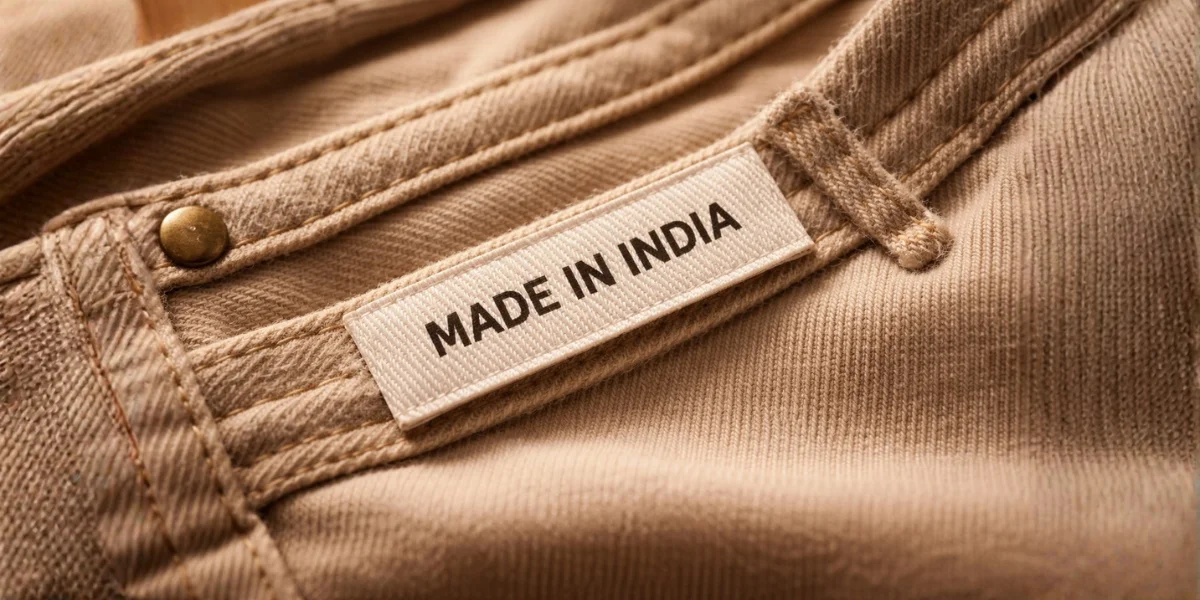
The landscape of Clothing Manufacturing has shifted toward a more tech-integrated and sustainable model to meet global consumer demands. Modern Clothing Manufacturing involves high-precision automated cutting, AI-driven quality control, and eco-friendly dyeing processes that significantly reduce water waste. Factories are now designed to handle both high-volume basics and intricate, small-batch artisanal collections with equal efficiency. By focusing on Lean Manufacturing principles, these units minimize fabric scrap and optimize energy consumption, making the production process as cost-effective as it is environmentally responsible. This evolution ensures that the “Made in India” tag remains synonymous with innovation and ethical industrial practices.

Indian Garment Exporters

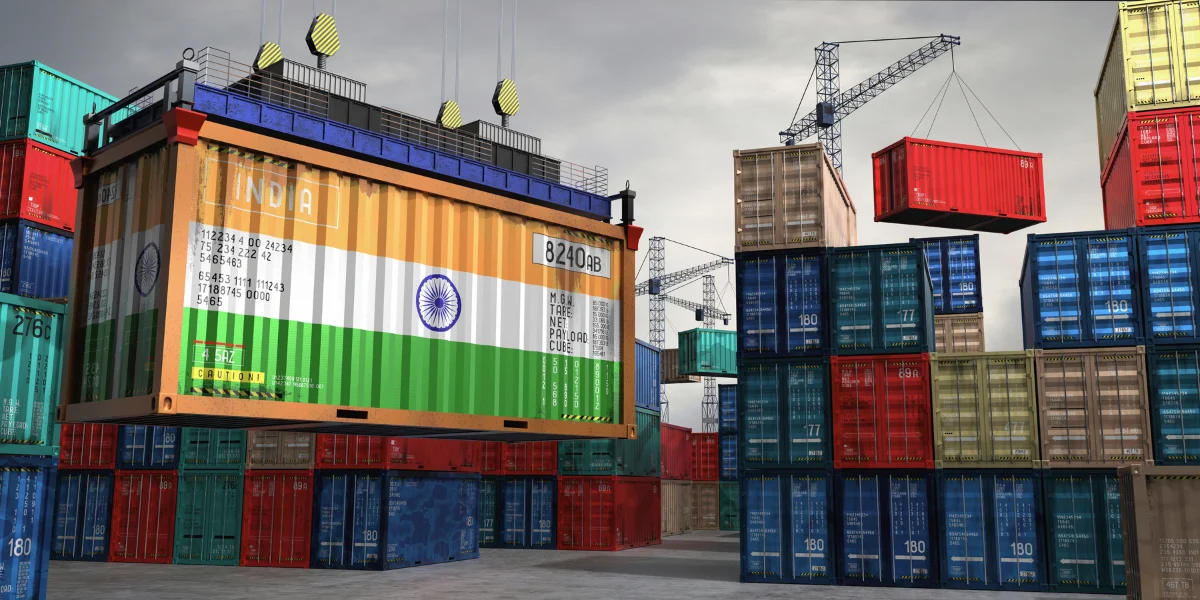
Today’s Indian Garment Exporters act as critical bridge-builders between local production hubs and the world’s most sophisticated fashion capitals. High-performing Indian Garment Exporters stay ahead of the curve by complying with international certifications like GOTS, SEDEX, and OEKO-TEX, which are mandatory for global trade. They manage complex logistics, including sea and air freight, while navigating the intricate customs regulations of various destination countries. With a strong presence in major clusters like Tiruppur, Noida, and Ludhiana, these exporters provide global buyers with a reliable, one-stop solution for sourcing everything from high-performance activewear to luxury silk garments and sustainable everyday essentials.
Private Label Clothing Manufacturing In India For European Brands, Private Label Manufacturers For Clothing, Clothing Manufacturing, Indian Garment Exporters

Private Label Clothing Manufacturing in India for European Brands: The 2026 Strategic Guide

Private Label Clothing Manufacturing in India for European Brands: The 2026 Strategic Guide

The fashion landscape in 2026 is no longer just about aesthetics; it is about agility, sustainability, and strategic partnerships. For European brands navigating a market defined by the European Union’s Green Deal and shifting consumer loyalties, the search for the right manufacturing partner has led directly to India.
As private label clothing manufacturing in India for European brands reaches new heights, this guide explores why the subcontinent has become the premier hub for European Buyers and how you can select the right private label manufacturers for clothing to scale your brand.

What is Private Label Clothing Manufacturing?

Private Label Clothing Manufacturing In India For European Brands, Private Label Manufacturers For Clothing, Clothing Manufacturing, Indian Garment Exporters
At its core, private label clothing manufacturing is a business model where a manufacturer produces garments according to a brand’s specific designs, tech packs, and quality standards, but the final product is sold under the retailer’s or brand’s own label.
Unlike “white label” manufacturing (where you simply put your logo on a pre-existing generic design), private label offers:
1. Total Creative Control:
You dictate the fabric, fit, stitching, and embellishments.
2. Brand Exclusivity:
Your designs are unique to your store, protecting your market share in the competitive European market.
3. Higher Margins:
By cutting out intermediate wholesalers and working directly with clothes manufacturers, brands can significantly reduce COGS (Cost of Goods Sold).

Why India is the Preferred Hub for European Brands

Private Label Clothing Manufacturing In India For European Brands, Private Label Manufacturers For Clothing, Clothing Manufacturing, Indian Garment Exporters
In 2026, the synergy between Indian production and the European clothing market has never been stronger. Several factors make India the undisputed leader among textile exporters from India.

1. The India-EU Free Trade Agreement (FTA)

A monumental shift occurred with the recent implementation of the India-EU FTA. Historically, European textile importers faced tariffs of 9% to 12% on Indian garments. Today, duty-free or near-zero tariff access has leveled the playing field, making India more cost-competitive than many Southeast Asian neighbors.

2. "Farm-to-Fashion" Vertical Integration

India is one of the few nations with a complete textile value chain. From being the world’s largest producer of cotton to having advanced spinning, weaving, and processing units, India offers 100% traceability. This is critical for meeting the EU’s Digital Product Passport (DPP) requirements, which mandate transparency from fiber to finished garment.

3. Mastery of Sustainable Materials

As European Buyers demand “circular fashion,” Indian manufacturers have pivoted toward:
1. Organic Fibers:
GOTS-certified cotton and regenerative hemp.
2. Bio-based Materials:
Tencel™ Lyocell and EcoVero™ Viscose.
3. Recycled Synthetics:
GRS-certified recycled polyester made from post-consumer PET bottles.

4. Skilled Craftsmanship & Technical Innovation

Whether it is the intricate hand-embroidery required by luxury labels in France or the high-performance activewear demanded by German retailers, Indian garment exporters blend generational artisanal skills with AI-driven CAD pattern-making and automated laser cutting.

How to Select a Private Label Clothing Manufacturer in India?

With over 25,000 registered manufacturers, finding the right fit requires a rigorous vetting process. To succeed in the European market, your partner must check the following boxes:

Criteria Why it Matters for European Brands

• Certifications
Ensure they hold GOTS, OEKO-TEX Standard 100, and SEDEX/BSCI for social compliance.
• MOQ Flexibility
High-growth brands often need low Minimum Order Quantities (as low as 50–100 units) for capsule collections.
• Sample Lead Times
In the era of fast-response fashion, a manufacturer should provide physical or 3D samples within 7–10 days.
• Chemical Compliance
All products must strictly adhere to REACH regulations regarding AZO dyes and heavy metals.
• Communication
Look for partners who provide real-time updates and understand the nuances of European sizing and aesthetics.

Why Silk Appeal is a Preferred Vendor for Private Label Manufacturing

When searching for a partner that embodies excellence in clothing manufacturing, Silk Appeal stands out as a bridge between Indian heritage and European sophistication. Founded in 1993, they have spent over three decades perfecting the art of ethical garment export.

A Legacy of Quality and Trust

Silk Appeal is not just a supplier; they are a strategic partner. They specialize in high-end, sustainable fashion, ranging from intricate silk scarves and shawls to contemporary resort wear and organic cotton apparel.

Key Differentiators of Silk Appeal:

1. Sustainable Infrastructure:
Operating as a zero-liquid discharge (ZLD) facility, they utilize solar power and advanced water treatment, directly aligning with the EU’s ESPR (Ecodesign for Sustainable Products Regulation).
2. Artisanal Expertise:
They are masters of hand-block printing, digital printing, and traditional hand-embroidery techniques that add a “story” to your brand, which is highly valued by modern European textile importers.
3. Global Compliance:
Every garment is tested for colorfastness, shrinkage, and chemical safety, ensuring zero friction at European customs.
4. Seamless Logistics:
With established routes to hubs like the Netherlands, Germany, and the UK, Silk Appeal ensures that “Made in India” reaches European shelves on time and in pristine condition.
“At Silk Appeal, we believe sustainability is not a trend, but a responsibility. We provide European brands with the transparency they need to thrive in a regulated market.”

The Road Ahead: Navigating the 2026 Landscape

The European clothing market is projected to exceed $130 billion this year, with a massive surge in demand for ethical and sustainable imports. Brands that move away from opaque supply chains and embrace transparent, high-quality private label clothing manufacturing in India will be the ones to lead the next decade of fashion.
By choosing an experienced partner like Silk Appeal, you gain access to a world of traditional craftsmanship, modern efficiency, and a shared commitment to a greener future.
FAQ's

Private Label Clothing refers to apparel manufactured by one company (the supplier) but sold under another company’s brand name. As a brand owner, you don’t need to own a factory; you simply select or customize designs from a manufacturer, who then attaches your custom labels, tags, and packaging. This allows you to focus on marketing and building your brand identity while leveraging the manufacturer’s production expertise.

The process in 2026 is a highly organized workflow consisting of several key stages:

  1. Design & Tech Pack: Creating the “blueprint” of the garment, including measurements and materials.
  2. Sourcing: Procuring the necessary fabrics, buttons, and zippers.
  3. Pattern Making & Sampling: Creating a physical prototype to test the fit and look.
  4. Cutting: Precision-slicing the fabric layers, often using automated laser cutters for 100% accuracy.
  5. Stitching & Assembly: Sewing the pieces together on a production line.
  6. Finishing & QC: Ironing, tagging, and a final quality check to ensure no defects exist.

While not 100% automated yet, it is rapidly evolving. In 2026, cutting and quality inspection are almost entirely automated using AI and lasers. However, sewing (stitching) remains a hybrid process; while “Sewbots” can handle simple items like t-shirts, human operators are still essential for complex garments that require delicate handling of “soft” fabrics.

While often used interchangeably, Private Label usually involves more customization (specific fabrics or minor design changes for one exclusive client), whereas White Label typically refers to generic, pre-made items where you simply add your logo to an existing stock design.

In the 2026 market, Sustainable Manufacturing reduces environmental impact by using organic fibers, recycled water systems, and solar-powered factories. For a brand, this not only fulfills ethical responsibilities but also meets the strict ESG (Environmental, Social, and Governance) requirements now demanded by major retailers and conscious consumers worldwide.