
Why India is Becoming the Preferred Choice for Exporters of Clothing to Germany
Why India is Becoming the Preferred Choice for Exporters of Clothing to Germany
As leading Exporters Of Clothing To Germany, Indian firms are vital contributors to the European fashion landscape, delivering high-quality garments that meet rigorous EU standards. These Exporters Of Clothing To Germany specialize in sustainable and organic apparel, catering to a market that increasingly values ethical production and eco-friendly materials. By combining traditional craftsmanship with modern manufacturing technology, they provide German retailers with reliable supply chains and trend-accurate designs. This robust trade partnership ensures that premium Indian-made clothing reaches the shelves of major German cities, strengthening the economic ties between the two nations through excellence in textile trade.
The global market relies heavily on Indian Textile Exporters for their unparalleled variety of natural fibers, including cotton, silk, and jute. These Indian Textile Exporters have successfully transitioned into the digital age by adopting sustainable weaving techniques and transparent supply chain tracking. By offering everything from raw fabrics to finished home textiles, they cater to diverse international sectors ranging from luxury fashion to industrial applications. Their commitment to fair trade and GOTS-certified production makes them preferred partners for global brands looking for quality and heritage. As innovation continues, India remains a cornerstone of the global textile manufacturing industry.
The Germany Textile Industry is one of the most technologically advanced in the world, shifting its focus from traditional garment production to high-tech functional fabrics. Currently, the Germany Textile Industry leads the way in medical textiles, automotive upholstery, and protective clothing, demanding high-performance materials from global suppliers. While the domestic focus is on technical innovation, there is a strong reliance on international partners for fashion and lifestyle apparel. This creates a symbiotic relationship where German engineering meets global manufacturing expertise, ensuring the market remains supplied with both specialized industrial textiles and high-street fashion collections.
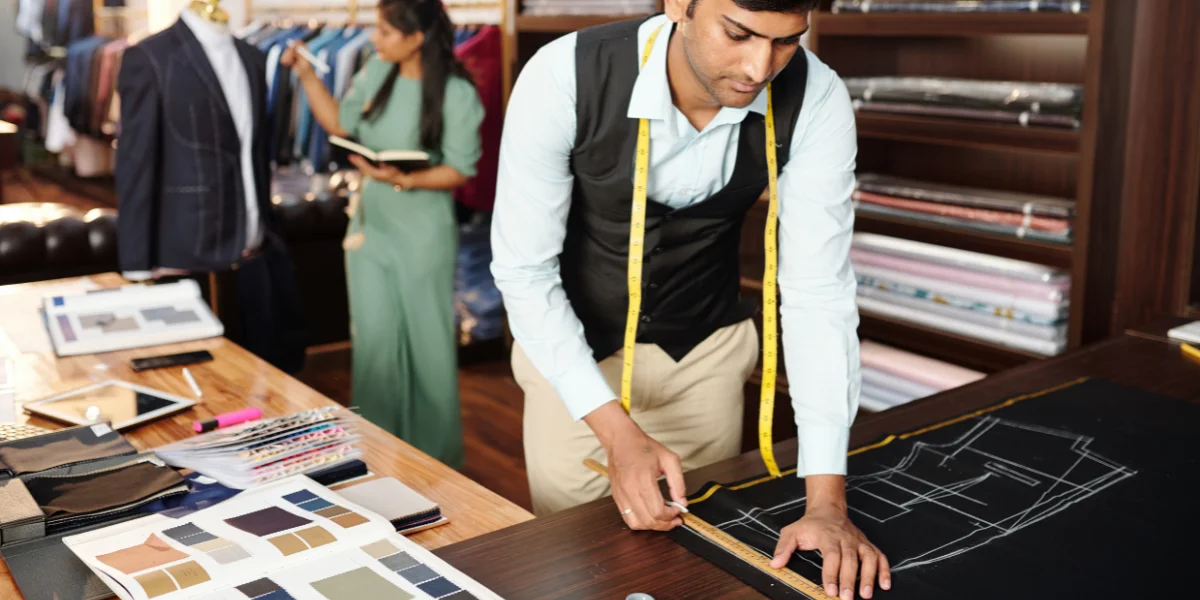
Partnering with a top-tier Indian Clothing Manufacturer allows international brands to leverage a unique blend of artisanal skill and high-volume production efficiency. A modern Indian Clothing Manufacturer offers end-to-end services, including design development, sampling, and rigorous quality control to ensure every garment meets global retail specifications. With the rise of “Make in India” initiatives, these factories have upgraded to state-of-the-art machinery and ethical labor practices. Whether producing intricate hand-embroidered pieces or large batches of knitwear, these manufacturers provide the flexibility and technical expertise required to thrive in the fast-paced, competitive world of global fashion.
For Clothing Importers in Germany, sourcing from diverse markets like India is a strategic move to balance cost-efficiency with high-quality craftsmanship. These Clothing Importers in Germany act as essential gatekeepers, ensuring that all imported apparel complies with strict European safety and environmental regulations. They focus on building long-term relationships with ethical factories that can deliver on-trend designs for the sophisticated German consumer base. As the demand for sustainable “slow fashion” increases, these importers are increasingly seeking partners who prioritize transparency and organic certifications, ensuring a steady flow of responsible and stylish products to the European market.
1. Navigating the Germany Textile Industry Requirements
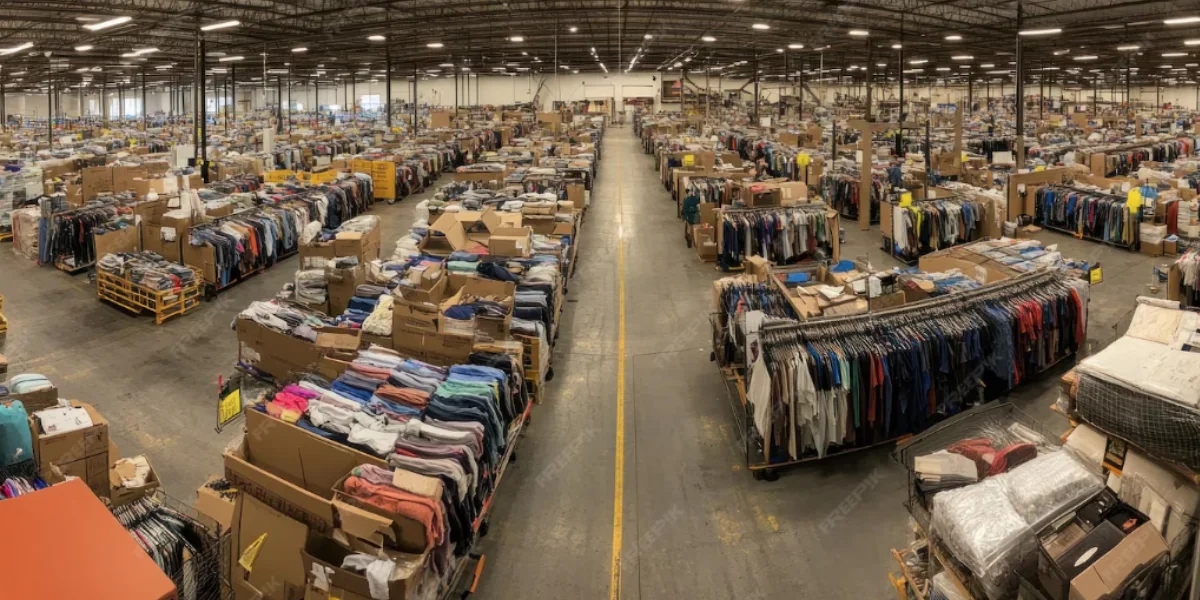
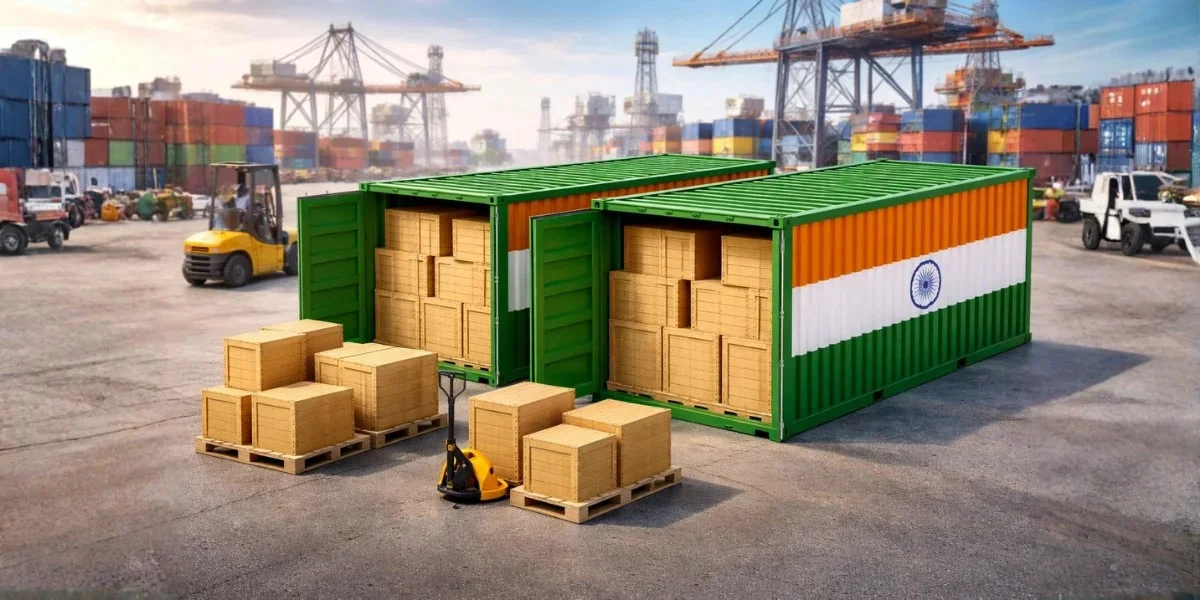
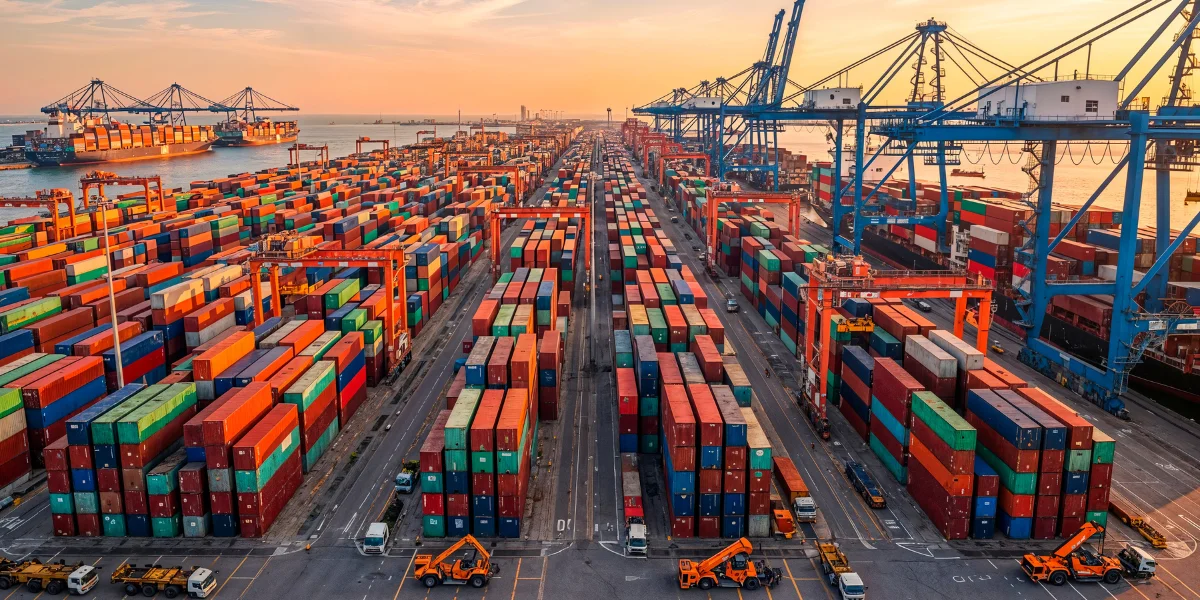
2. The Direct Logistics Advantage: India to Germany by Ship
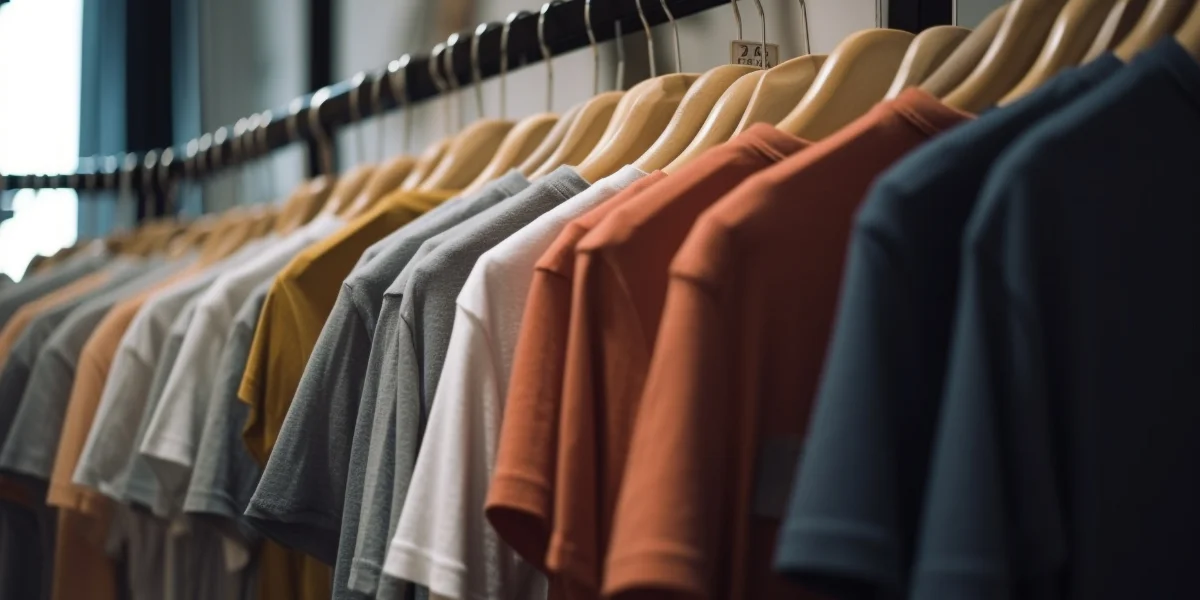
3. Why Germany Brands are Migrating to Indian clothing Manufacturers
Vertical Integration
Diverse Product Range
4. Market Trends: Germany's Growing Appetite for Indian Apparel
Factor Impact on Germany Buyers India's Capability
5. Tips for Clothing Importers in Germany Sourcing from India
The Future of Indo-German Apparel Trade
Major Indian Export Hubs Serving Germany
Overcoming Challenges: Logistics and Innovation
The Road Ahead: Vision 2030
FAQ's
It is the industrial process of converting raw fibers either natural (cotton, wool) or synthetic (polyester, nylon) into finished goods like cloth, clothing, and home decor. It essentially transforms raw materials into usable, flexible materials.
The industry follows a specific “fiber-to-fabric” chain:
Yes, major Indian textile clusters have aligned with REACH (Registration, Evaluation, Authorisation, and Restriction of Chemicals) standards to ensure chemical safety for the European market.
Average sea freight takes 20-30 days, while air-freight corridors have been modernized to deliver high-priority seasonal collections within 3-5 days.
Absolutely. While India excels at scale, the rise of “MSME Clusters” has made it a favorite for German boutique labels seeking artisanal quality in smaller volumes.