Private Label Apparel Manufacturing

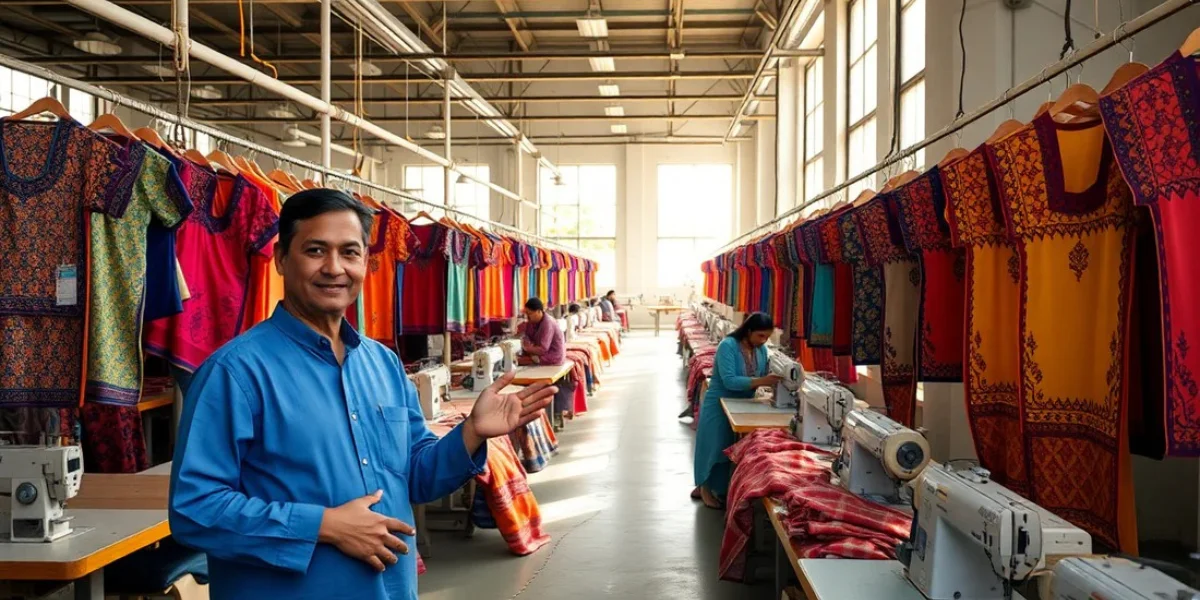
Establishing a unique private label brand requires a deep understanding of the apparel manufacturing process. In the current apparel market, private label apparel manufacturing allows businesses to move beyond generic designs and create exclusive men clothing and women clothing collections. By partnering with a dedicated apparel manufacturing company, you gain full control over fabric selection and the apparel manufacturing process flow. This strategic approach to the clothing market ensures your apparel clothing stands out through superior quality and distinct branding.

Outsourcing Apparel Manufacturing

For many apparel companies, outsourcing apparel manufacturing is the most cost-effective way to scale an apparel manufacturing business. By leveraging a global apparel manufacturing factory, brands can access specialized machinery and skilled labor without the overhead of domestic production. Whether you are focusing on custom apparel manufacturing or mass-market staples, the right apparel manufacturing industry partner will streamline your supply chain. This model allows you to focus on marketing while experts handle the technical complexities of the apparel manufacturing and design stages.

Apparel Manufacturing of India

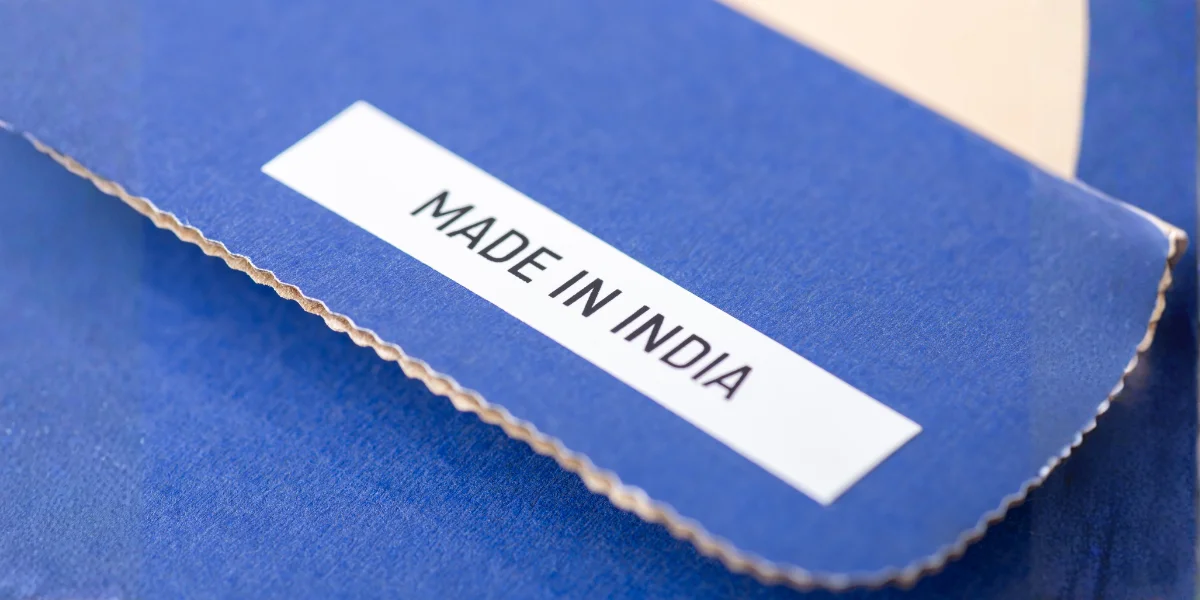
The apparel manufacturing of India has become a global powerhouse thanks to the heritage of the Indian textile sector. India offers a unique blend of traditional craftsmanship and modern technology, making it a top destination for apparel clothing manufacturers. Brands looking for sustainable and scalable solutions often turn to Indian hubs for high-quality apparel clothing. From intricate hand-loom details to high-volume industrial output, the versatility of the Indian market supports every stage of the apparel manufacturing process for international labels.

Apparel Clothing Manufacturers

Finding reliable apparel clothing manufacturers is the cornerstone of any successful clothing market strategy. These clothing manufacturers provide the infrastructure needed to turn a sketch into a retail-ready product. When vetting partners in the apparel manufacturing industry, look for those who offer transparent apparel manufacturing process flow updates and low minimum orders. High-quality apparel clothing manufacturers act as an extension of your team, ensuring that your men clothing and women clothing lines meet the rigorous standards expected by modern consumers.
Apparel Company
Every successful apparel company must balance design innovation with manufacturing efficiency. To thrive as an apparel manufacturing business, a company must stay updated on apparel market trends and consumer shifts toward sustainable apparel clothing. Whether a small boutique or a global enterprise, an apparel company relies on the synergy between its private label brand identity and its production partners. By mastering custom apparel manufacturing, a brand can quickly adapt to the fast-paced nature of the modern global fashion landscape.
Private Label Apparel Manufacturing, Outsourcing Apparel Manufacturing, Apparel Manufacturing of India, Apparel Manufacturing Process, Apparel Clothing Manufacturers, Apparel Company, Silk Appeal

The Ultimate Guide to Private Label Apparel Manufacturing in 2026

The Ultimate Guide to Private Label Apparel Manufacturing in 2026

In the rapidly evolving clothing market, standing out requires more than just a logo it requires a distinct brand identity and a reliable supply chain. This is where private label apparel manufacturing becomes a game-changer. Whether you are an influencer launching a boutique line or an established retailer expanding your catalog, understanding the nuances of the apparel manufacturing industry is essential for long-term success.
This guide explores how to navigate the apparel market, find the right apparel clothing manufacturers, and leverage the massive potential of Indian textile hubs to build a profitable private label brand.

What is Private Label Apparel Manufacturing?
Private Label Apparel Manufacturing, Outsourcing Apparel Manufacturing, Apparel Manufacturing of India, Apparel Manufacturing Process, Apparel Clothing Manufacturers, Apparel Company, Silk Appeal
Private label apparel manufacturing is a business model where a manufacturer produces garments that are sold under a retailer’s unique brand name. Unlike “white label” products which are generic items sold to multiple retailers private label allows for greater customization in design, fabric, and fit.
For modern apparel companies, this model offers a middle ground between buying wholesale (low control) and building a factory from scratch (high cost). You get to dictate the “look and feel” of the apparel clothing while the apparel manufacturing factory handles the heavy lifting of production.

The State of the Apparel Market in 2026
Private Label Apparel Manufacturing, Outsourcing Apparel Manufacturing, Apparel Manufacturing of India, Apparel Manufacturing Process, Apparel Clothing Manufacturers, Apparel Company, Silk Appeal
As of 2026, the global apparel market has shifted toward “Nearshoring” and “Sustainability.” Consumers are no longer satisfied with fast fashion; they demand transparency and ethical sourcing.
1. Men Clothing:
Growing demand for high-performance “athleisure” and tech-infused fabrics.
2. Women Clothing:
Dominates the market share, with a heavy focus on sustainable materials and inclusive sizing.
3. Custom Apparel Manufacturing:
On-demand and small-batch production are becoming the industry standard to reduce waste.

Key Steps in the Apparel Manufacturing Process

Launching a collection involves a structured apparel manufacturing process flow. To ensure your apparel manufacturing business runs smoothly, follow these critical stages:

1. Concept and Design

Everything starts with a “Tech Pack.” This is the blueprint for your garment, detailing measurements, materials, and stitching. Many an apparel manufacturing and design firm can help you refine these if you aren’t a designer yourself.

2. Sourcing and Sampling

Your apparel manufacturing company will source fabrics based on your specifications. Before bulk production, a sample (prototype) is created.
• Pro Tip:
Never skip the sampling phase. It is your only chance to check the fit and fabric quality before investing in a full run.

3. Bulk Production

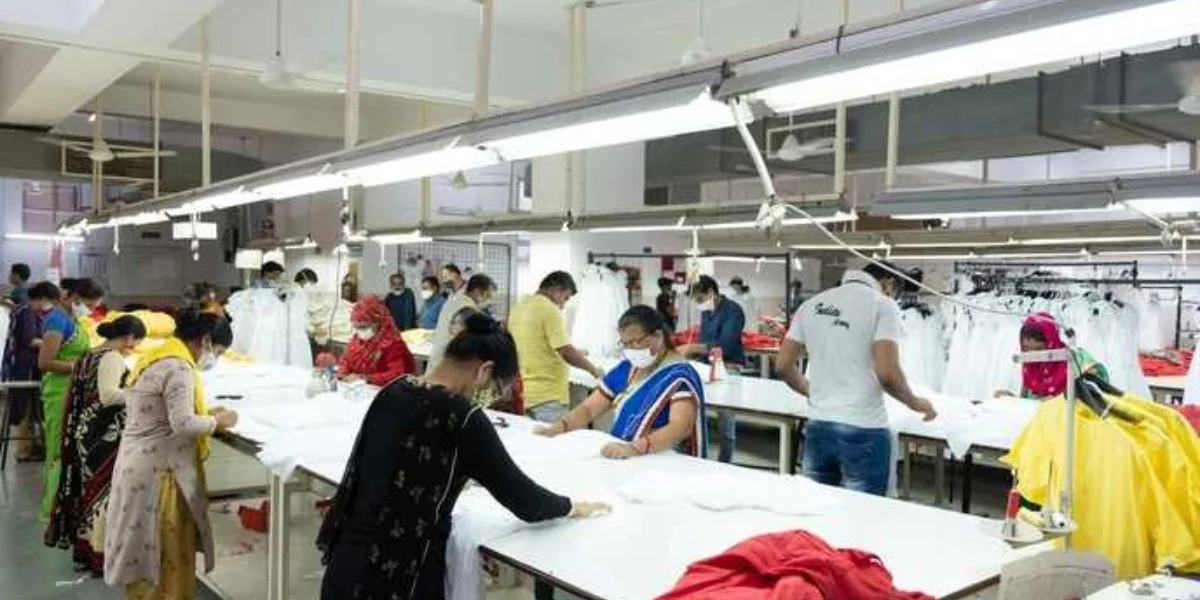
Once samples are approved, the clothing manufacturers move to the cutting and sewing stage. In 2026, many factories use AI-driven 3D sampling to minimize fabric waste during this stage.

4. Quality Control and Packaging

Rigorous inspections are conducted at every stage. Finally, the garments are fitted with your private label brand tags, packaged, and prepared for shipping.

Why Choose Apparel Manufacturing of India?

1. Vertical Integration:
Factories in hubs like Tiruppur and Ludhiana often handle everything from yarn spinning to final packaging.
2. Sustainability:
Indian exporters are increasingly adopting solar-powered production and water-saving dyeing techniques.
3. Scalability:
Whether you need 100 pieces or 100,000, clothing manufacturers in India offer the flexibility to grow with your brand.

Outsourcing Apparel Manufacturing: Domestic vs. Overseas

Choosing between a local apparel manufacturing factory and outsourcing apparel manufacturing overseas is a strategic decision:

Feature Domestic Manufacturing Overseas (e.g., India, Portugal)

Lead Times Faster (2,4 weeks) Longer (6,12 weeks)
Costs Higher labor costs Competitive bulk pricing
MOQs Often lower Higher (but becoming more flexible)
Shipping Minimal Requires logistics management

How to Find Reliable Apparel Clothing Manufacturers

Success in the apparel manufacturing industry depends entirely on your choice of partner. When vetting apparel clothing manufacturers, ask the following questions:
1. What are your Minimum Order Quantities (MOQs)?
2. Can you provide references from other private label brand owners?
3. Do you offer custom apparel manufacturing (cut-and-sew) or just rebranding of existing blanks?
4. What are your quality certifications (e.g., GOTS for organic cotton)?

FAQ's

Private label garment manufacturing is a process where a manufacturer produces clothing based on a brand’s specific designs and specifications, which are then sold under the brand’s own name. This allows retailers to offer exclusive products and build brand loyalty without owning their own production facilities. It bridges the gap between creative design and mass production, offering full control over branding and quality.

Fashion brands prioritize partners who offer consistent quality control, transparent supply chains, and the ability to work with sustainable materials like organic cotton. They expect timely delivery schedules, low minimum order quantities for testing new trends, and expert technical support in pattern making and sizing. A reliable partner acts as a strategic extension of the brand, ensuring ethical labor practices and high-caliber craftsmanship.

Private label clothing is custom-made to a brand’s specific designs and requirements, offering exclusivity. White label clothing is a pre-made, generic product that the manufacturer sells to multiple brands who simply add their own logo.

Yes. By working directly with an apparel manufacturing company, you eliminate the middleman (wholesaler), leading to higher profit margins. It also builds “brand equity,” allowing you to charge premium prices for unique designs.

Costs vary widely depending on the apparel clothing type and volume. However, many modern factories now offer “low MOQ” programs starting at 50–100 pieces per style, making it accessible for startups to launch with a budget of $2,000–$5,000.