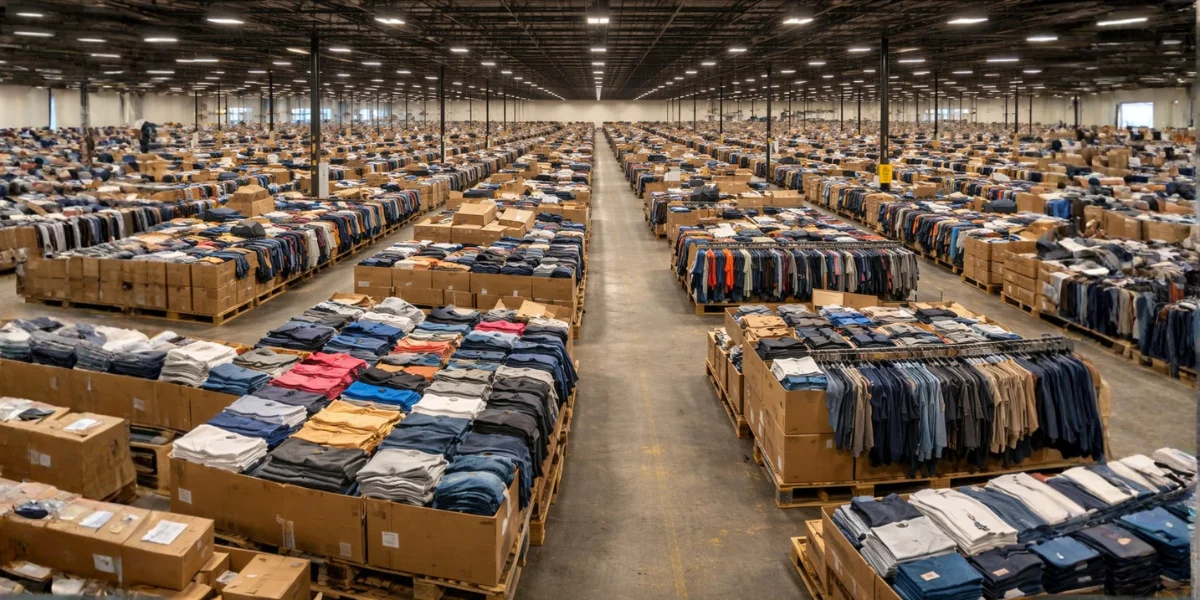
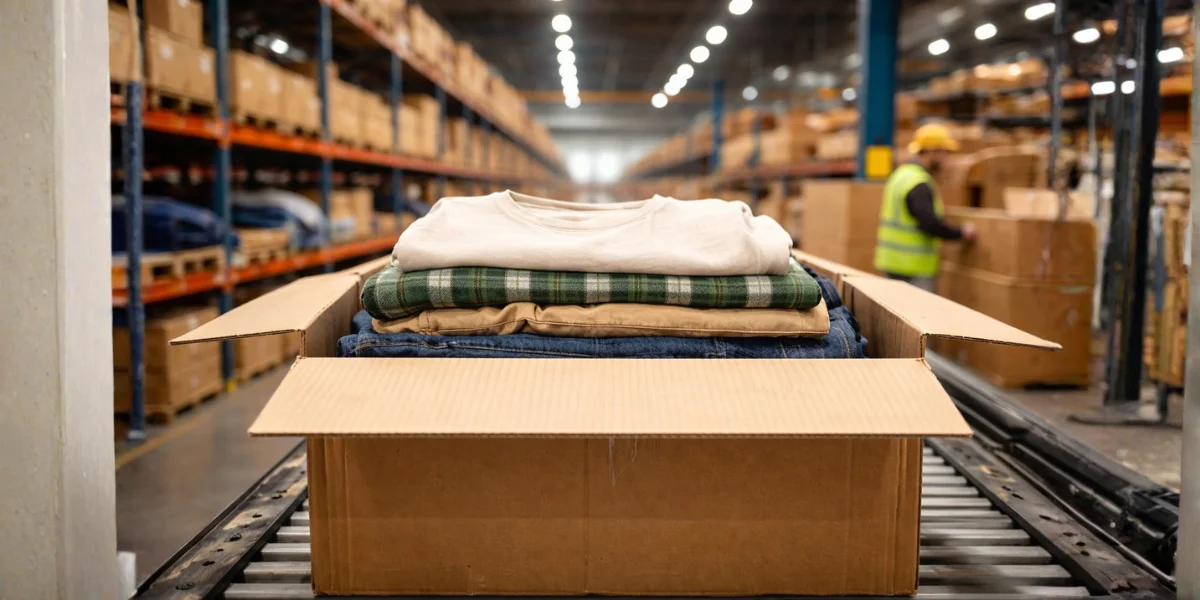
How Can I Export Clothes From India To Europe

To understand How Can I Export Clothes From India To Europe, one must first navigate the essential legal framework. The process begins with obtaining an Import-Export Code (IEC) from the DGFT and registering with the Apparel Export Promotion Council (AEPC). In 2026, a critical step in How Can I Export Clothes From India To Europe is registering with the Registered Exporter (REX) system for consignments exceeding €6,000 to benefit from duty preferences. Ensuring compliance with EU REACH standards for chemicals and obtaining a Certificate of Origin are non-negotiable requirements for smooth customs clearance at European ports.

Indian Textile Exporters

The landscape for Indian Textile Exporters has been transformed by the 2026 India-EU Free Trade Agreement (FTA), which has largely eliminated the previous 12% import duty. Modern Indian Textile Exporters are increasingly focusing on value-added segments like organic cotton and man-made fibers (MMF) to stay competitive. By adopting GOTS and OEKO-TEX certifications, these exporters meet the high sustainability demands of European retailers. This strategic shift, supported by “Viksit Bharat 2047” initiatives, allows India to leverage its massive raw material base while integrating deeper into the high-value global fashion supply chain.

Exporting Clothes

Successfully exporting clothes requires meticulous attention to international labeling regulations and quality control. When exporting clothes to the European Union, every garment must feature permanent sewn-in labels in the destination country’s language, specifying precise fiber composition. In 2026, digital traceability has become a standard, with many buyers requiring QR codes that map the supply chain from farm to finished product. Navigating these technical barriers alongside logistics management through experienced freight forwarders is essential for maintaining the “Made in India” reputation for reliability and craftsmanship in the global marketplace.

Textile Export From India

The volume of textile export from India has shown significant resilience, reaching an estimated $37.75 billion in the recent fiscal year. A major driver of textile export from India is the government’s push for Mega Integrated Textile Regions and Apparel (PM MITRA) parks, which consolidate the supply chain to reduce lead times. Currently, ready-made garments account for nearly 60% of these exports, followed by cotton textiles and synthetic fabrics. With the EU acting as the second-largest destination, the industry is poised for a 15% CAGR, aiming to double export values by 2030 through enhanced market access.
Garment Exporters From India
Leading garment exporters from India are recognized for their ability to handle both large-scale retail orders and intricate, artisanal “small-batch” productions. These garment exporters from India, particularly those in hubs like Tiruppur, Bengaluru, and Noida, have invested heavily in solar energy and water recycling to align with the EU’s Green Deal. By utilizing advanced automation and Aadhaar-based labor tracking, they provide the transparency that modern European brands demand. This commitment to social and environmental governance ensures that Indian apparel remains a preferred choice for global fashion houses seeking ethical manufacturing partners.
How Can I Export Clothes From India To Europe, Indian Textile Exporters, Garment Exporters From India, Exporting Clothes, Textile Export From India, Silk Appeal

How Can I Export Clothes From India To Europe? (2026 Updated Guide)

How Can I Export Clothes From India To Europe? (2026 Updated Guide)

The landscape for Indian textile exporters has undergone a massive transformation in 2026. With the landmark India-EU Free Trade Agreement (FTA) now in effect, garment exporters from India finally have a level playing field, enjoying zero-duty access to a 24-trillion-dollar market.
If you are looking into exporting clothes or scaling your textile export from India, this guide provides the roadmap to success in the modern European market.

1. The 2026 "Zero-Duty" Advantage

How Can I Export Clothes From India To Europe, Indian Textile Exporters, Garment Exporters From India, Exporting Clothes, Textile Export From India, Silk Appeal
Historically, Indian apparel faced 9%-12% import duties in the EU. As of January 2026, the FTA has eliminated these tariffs for over 99% of textile lines.
1. Cost Savings:
Exporting a container of cotton shirts now saves approximately €20,000 in duties compared to 2024 levels.
2. Competitive Edge:
This allows Indian textiles in the European market to compete directly with duty-free hubs like Bangladesh and Vietnam.

2. Essential Registration for Indian Textile Exporters

How Can I Export Clothes From India To Europe, Indian Textile Exporters, Garment Exporters From India, Exporting Clothes, Textile Export From India, Silk Appeal
To begin exporting clothes legally, you must secure the following:
1. IEC (Importer-Exporter Code):
Your primary license from the DGFT.

2. RCMC (Registration Cum Membership Certificate):

Essential for garment exporters from India to claim government rebates. Register with the Apparel Export Promotion Council (AEPC).

3. GST Registration:
Necessary for processing Zero-Rated Supplies and claiming Input Tax Credits (ITC).

3. Mandatory Compliance for the European Market

How Can I Export Clothes From India To Europe, Indian Textile Exporters, Garment Exporters From India, Exporting Clothes, Textile Export From India, Silk Appeal
Europe’s “Green Deal” has introduced strict new regulations that every exporter must follow:
1. EU Digital Product Passport (DPP):
Starting in 2026, many garments require a QR code providing data on material composition and supply chain traceability.
2. REACH Compliance:
Strict limits on hazardous chemicals and dyes (e.g., Azo-dyes).
3. Ecodesign Requirements (ESPR):
Products must be designed for durability and recyclability to enter the EU.
4. Certifications:
Buyers prioritize exporters with GOTS (Organic), OEKO-TEX, or GRS (Recycled) certifications.

4. Government Incentives for Textile Export from India

The Indian government provides robust support to keep your prices competitive:
1. RoSCTL (Rebate of State and Central Taxes and Levies):
Specifically for garments and made-ups, extended through March 2026.
2. RoDTEP (Remission of Duties and Taxes on Exported Products):
Provides a refund on hidden taxes for yarns and fabrics not covered by RoSCTL.
3. PM MITRA Parks:
Sourcing from these mega textile parks can reduce your logistics and production costs significantly.

5. Shipping & Logistics Strategy

Shipping Mode

Best For Estimated Time

Air Freight

High-fashion, seasonal collections, and samples. 3–5 Days

Sea Freight

Bulk orders of basic apparel (RMG). 25–35 Days

Direct-to-Consumer

E-commerce exports via courier (e.g., DHL, ShiprocketX). 5–9 Days

• Pro Tip:
Use FOB (Free On Board) terms for your first few shipments to limit your liability once the goods are loaded onto the vessel in India.

6. High-Demand Products for Indian Textiles in the European Market

As of 2026, the European consumer’s preference has shifted toward sustainability and functional fashion. To maximize your margins when exporting clothes, focus on these high-growth categories:
1. Organic Cotton & Bamboo Apparel:
With India being a top producer of organic cotton, these garments are in high demand across Germany, France, and the Nordic countries.
2. Recycled Polyester (rPET) Activewear:
European “Green Deal” policies favor garments made from recycled materials.
3. Home Textiles:
Beyond fashion, textile export from India in the form of luxury bed linens, sustainable curtains, and artisan-crafted rugs is seeing a 15% year-on-year growth in the EU.
4. Ethical Handloom & Craft:
Products that tell a story of “Artisanal Heritage” command a premium price in high-end European boutiques.

7. Overcoming Logistics and Language Barriers

While the India-EU FTA simplifies the financial aspect, logistics remain the backbone of your business.
1. Warehousing:
Consider using “Bonded Warehouses” in transit hubs like Rotterdam or Antwerp to ensure faster delivery to your European buyers.
2. Localization:
Ensure your tech-packs and labels are translated into the buyer’s local language (e.g., German, French, or Italian) to avoid customs delays and improve customer satisfaction.

Conclusion: Seizing the European Opportunity

The year 2026 represents a “Golden Era” for textile export from India. The combination of the India-EU Free Trade Agreement, robust government incentives like RoSCTL, and the shifting global supply chain away from traditional hubs has placed garment exporters from India in a prime position.
Success in the European market is no longer just about the lowest price; it is about compliance, sustainability, and transparency. By adopting the EU Digital Product Passport early and maintaining strict quality standards, your business can build long-term, lucrative partnerships with European retailers.
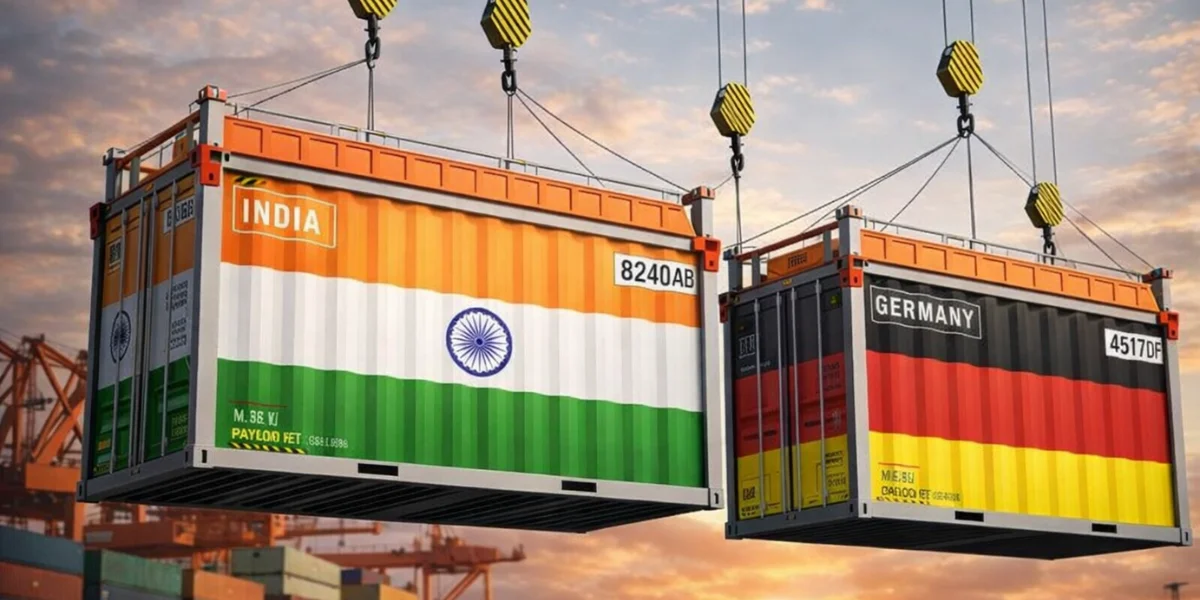
The doors are open it’s time for Indian textile exporters to walk through them and redefine global fashion.

FAQ's

A garment exporter is a company that manufactures finished clothing in India and sells it to international markets, ensuring all products meet global quality and safety standards.

  • Surat, Gujarat: The largest wholesale hub for synthetic fabrics and sarees.
  • Tirupur, Tamil Nadu: The primary center for cotton knitwear and hosiery exports.

For the 2025–26 fiscal year, India’s textile and apparel exports are projected to reach approximately $40–$42 billion, driven by new trade agreements and a focus on sustainable fashion.

PM MITRA Parks are large industrial zones that house the entire textile supply chain from spinning to final garmenting in one location to reduce costs and production time.

Technical Textiles are functional fabrics designed for specific uses rather than fashion, such as medical masks, automotive upholstery, and protective gear for extreme environments.