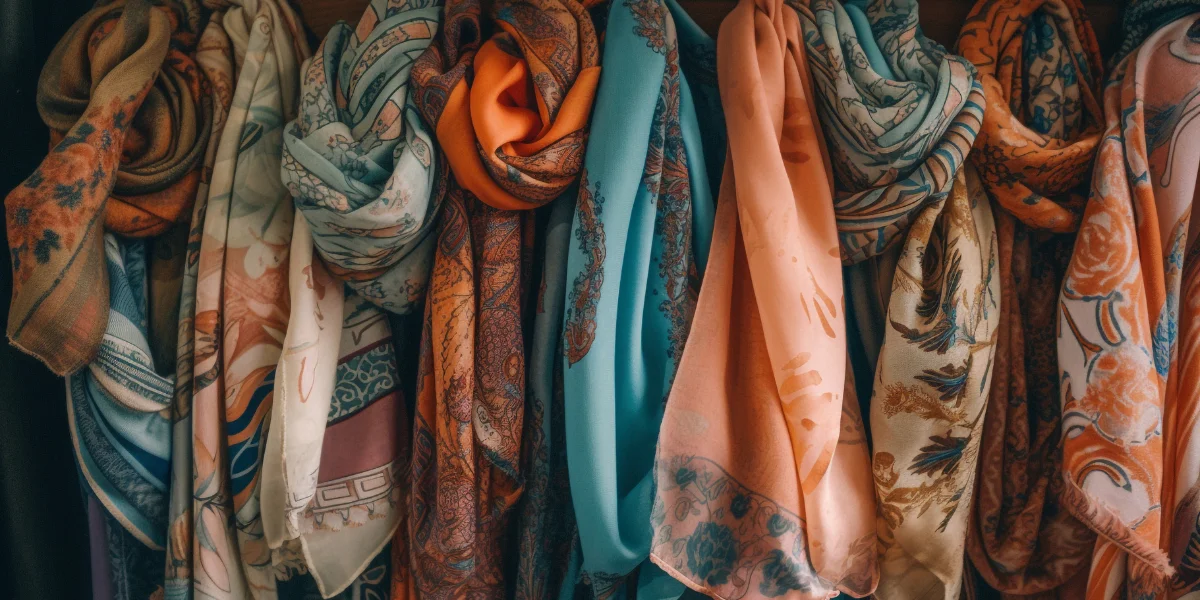

The alliance between European design houses and Indian scarf manufacturers for Europe has reached a strategic peak in 2026. This partnership thrives because Indian exporters offer a rare equilibrium of high-volume scalability and artisanal soul. European labels benefit from a vertically integrated supply chain that ensures rapid turnaround times without sacrificing the intricate detailing such as hand-rolled hems and bespoke weaving that luxury consumers demand. With the 2026 FTA reducing trade barriers, India has become the indispensable backbone for European brands seeking premium quality at competitive, duty-free price points.
Today, scarf manufacturers in India are global leaders in textile innovation, blending centuries-old traditions with modern industrial standards. From the wool-processing hubs of Amritsar to the silk-weaving clusters of Varanasi and Surat, these manufacturers provide access to an incredible diversity of scarf material, including pashmina, organic cotton, and eco-friendly modal. By maintaining OEKO-TEX certified silk scarf factory standards, they ensure that every product meets rigorous European safety and environmental regulations, making India the go-to destination for brands that refuse to compromise on ethics or excellence.
For emerging designers and established retailers alike, white label scarf manufacturing in India for European fashion labels provides a seamless, “concept-to-closet” solution. This service allows brands to leverage world-class infrastructure while maintaining their unique identity through custom branding, specialized labels, and bespoke packaging. Indian clothing manufacturers act as collaborative partners, offering rapid prototyping and low MOQs to support the “drop” culture of modern fashion. This flexibility enables European labels to scale their collections efficiently, ensuring high-margin products that arrive retail-ready and fully compliant with global transparency laws.
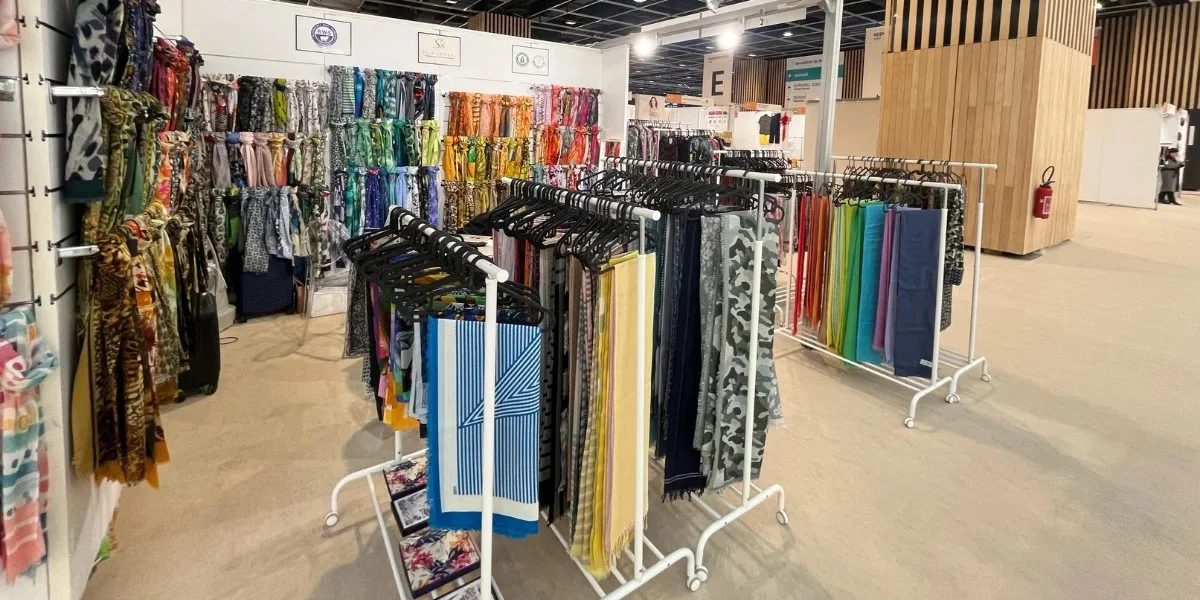
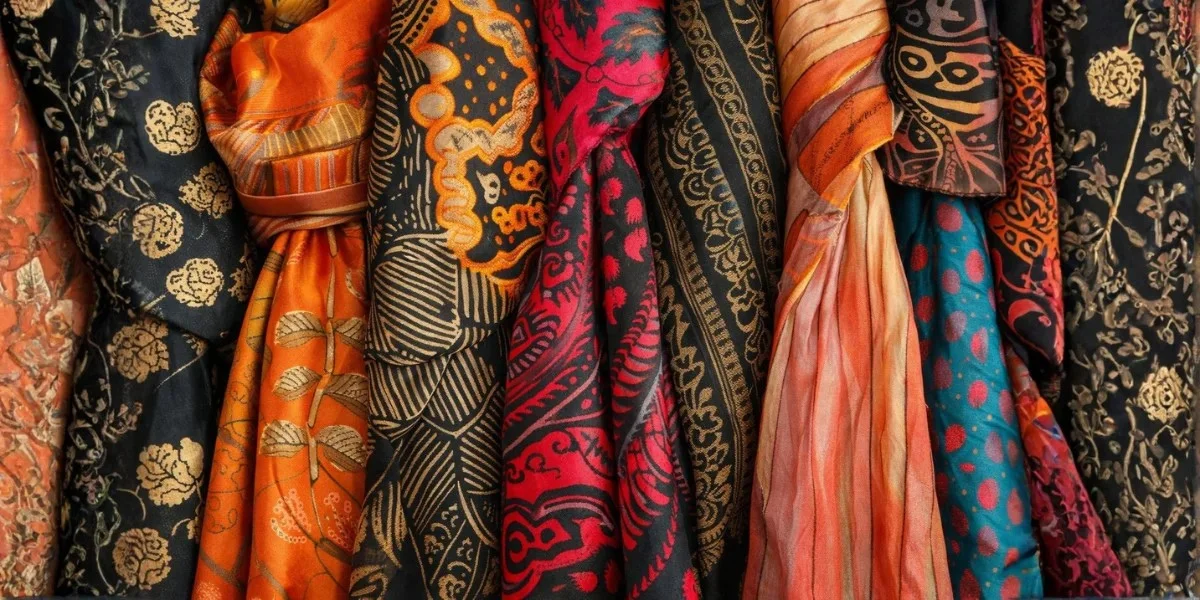
In the realm of printed scarves manufacturing, India offers a sophisticated mix of technology and heritage techniques that define modern luxury. Whether it is high-definition digital printing on mulberry silk or traditional hand-block printing using natural dyes, Indian textile exporters deliver unmatched color depth and precision. Manufacturers now utilize AI-driven color matching to ensure that a designer’s vision in Milan is perfectly replicated on the factory floor in Jaipur. This mastery over complex patterns and diverse types of scarves ensures that every collection stands out in the crowded European marketplace.
Why European Brands Choose Indian Scarf Manufacturers for Quality & Craftsmanship
Why European Brands Choose Indian Scarf Manufacturers for Quality & Craftsmanship
Unmatched Versatility: Diverse Types of Scarves
Excellence in Printed Scarves Manufacturing
The Gold Standard: OEKO-TEX Certified Silk Scarf Factory
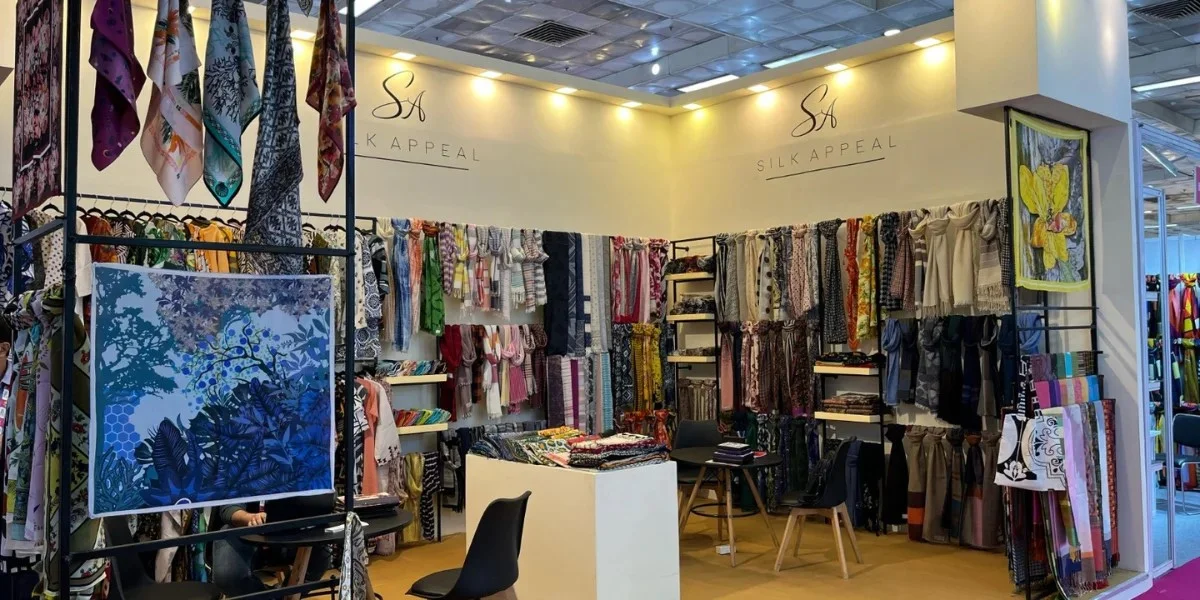
White Label Scarf Manufacturing for European Labels
Strategic Advantage of Indian Textile Exporters
The 2026 Trend: Conscious Craftsmanship
Conclusion
FAQ's
Indian manufacturers offer a unique combination of traditional craftsmanship (like hand-weaving and embroidery) and modern compliance (OEKO-TEX and GOTS certifications). With the 2026 India-EU FTA, sourcing from India is also highly cost-effective due to reduced import duties and a vertically integrated supply chain for raw scarf materials.
The most popular types of scarves exported from India include digital-printed silk scarves, hand-embroidered Pashmina shawls, merino wool stoles, and eco-friendly modal blends. India is also a leader in white label manufacturing, allowing brands to customize designs, labels, and packaging.
Indian manufacturers offer a unique blend of ancestral heritage and future-ready sustainability. The 2026 India-EU Free Trade Agreement (FTA) has further streamlined trade by eliminating many 8–12% import tariffs, making premium Indian craftsmanship more affordable and accessible.
Top-tier exporters operate out of OEKO-TEX certified silk scarf factories. This certification ensures the materials are free from over 100 harmful substances and fully align with the EU’s 2026 Corporate Sustainability Due Diligence Directive (CSDDD).
Yes, many manufacturers provide “concept-to-closet” white label solutions. This includes custom design development, low Minimum Order Quantities (MOQs) to support micro-collections, and end-to-end sustainable packaging that is retail-ready for European markets.
Indian exporters are leading the shift toward “Conscious Craftsmanship” by implementing Blockchain Traceability for organic materials and adopting Zero Liquid Discharge (ZLD) in dyeing units to protect local water sources.
Specialized expertise is concentrated in regional clusters, such as Amritsar for wool, Surat and Varanasi for silk, and Jaipur for artisanal prints. These hubs allow manufacturers to offer high-volume scalability while maintaining the intricate detailing, such as hand-rolled hems, that luxury consumers expect.