Ethical Clothing Manufacturers

Ethical clothing manufacturers are the cornerstone of a transparent global supply chain, moving beyond mere compliance to champion radical accountability. In 2026, these partners are defined by their commitment to social equity, ensuring every worker receives a dignity-based living wage and operates in a safe, empowered environment. By choosing the right partners, brands can mitigate environmental risks and meet the growing consumer demand for integrity. These manufacturers integrate advanced technology with traditional craftsmanship, proving that large-scale production can coexist with deep respect for both people and the planet.

Ethical Clothing Production

Ethical clothing production is a holistic methodology that redefines how garments are brought to life. It moves away from the exploitative “fast fashion” model, focusing instead on longevity, worker welfare, and minimal ecological footprints. This approach involves rigorous third-party certifications like Fair Trade and SA8000 to verify that human rights are protected at every stage. By prioritizing ethical clothing production, brands build lasting consumer trust and future-proof their operations against increasingly strict global sustainability regulations, ensuring that fashion serves as a force for positive global change rather than depletion.

Ethical Clothing Materials

The integrity of any garment begins with the source. Ethical clothing materials are those harvested and processed with a regenerative mindset. This includes GOTS-certified organic cotton, which eliminates toxic pesticides, and innovative bio-based fibers like Tencel, hemp, and mycelium leather. In 2026, ethical organic clothing is the gold standard, offering superior durability and skin-friendly properties. By selecting these materials, manufacturers significantly reduce water consumption and prevent the shedding of harmful microplastics into our oceans, ensuring that the final product is as kind to the earth as it is to the wearer.

Sustainable Production Process

A truly sustainable production process is characterized by a “closed-loop” philosophy where waste is viewed as a resource. This involves utilizing renewable energy to power factories, implementing advanced water-filtration systems to prevent chemical runoff, and adopting zero waste production techniques. AI-driven pattern making now allows clothing manufacturers to maximize fabric efficiency, while any leftover scraps are upcycled into new textile innovations. This meticulous attention to the manufacturing lifecycle ensures that every piece in a clothing collection contributes to a circular economy, drastically reducing the industry’s overall carbon footprint.

Handloom Clothing Manufacturers

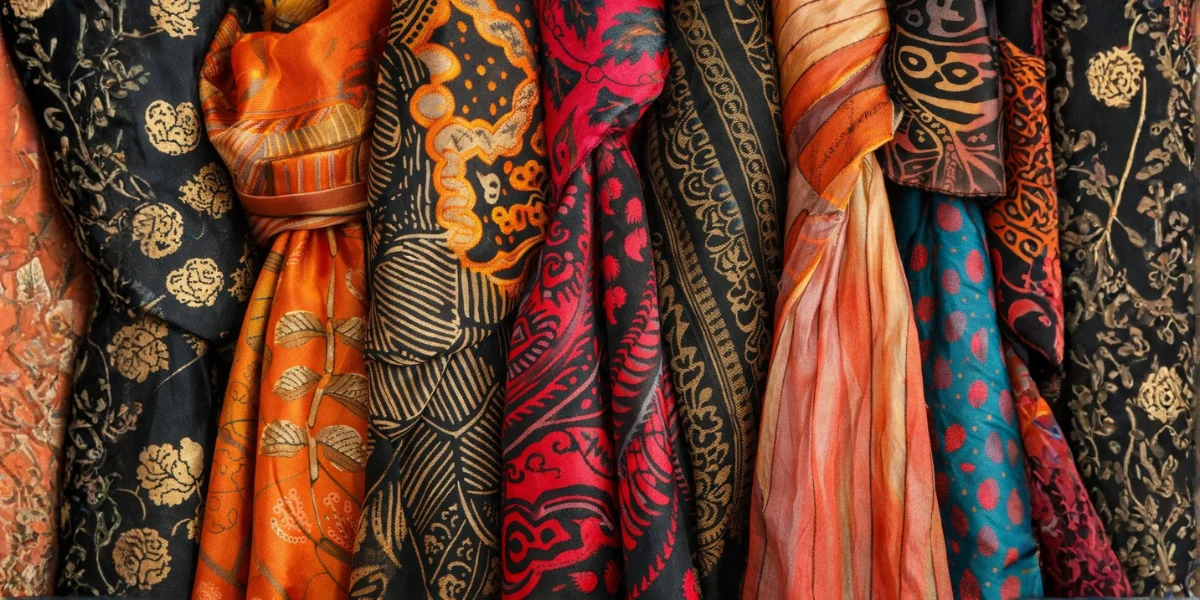
Handloom clothing manufacturers represent the pinnacle of artisanal sustainability, especially when looking at ethical clothing manufacturers in India. Unlike mass-produced textiles, hand-woven fabrics require zero electricity and support rural livelihoods, preserving centuries-old cultural heritage. These manufacturers offer a unique “slow fashion” appeal, producing high-quality, distinctive textures that machines simply cannot replicate. By integrating handloom techniques into a modern clothing collection, brands support a decentralized economy and offer consumers a soulful, low-impact alternative to industrial manufacturing, effectively bridging the gap between ancient tradition and contemporary style.

Ethical Clothing Manufacturers, Ethical Clothing Production, Ethical Clothing Materials, Sustainable Production Process, Handloom Clothing Manufacturers, Silk Appeal

Ethical Clothing Manufacturers: How Sustainable Production is Shaping the Future of Fashion

Ethical Clothing Manufacturers: How Sustainable Production is Shaping the Future of Fashion

The global fashion industry is at a massive turning point. As we move through 2026, the conversation has shifted from “fast and cheap” to “ethical and enduring.” Driven by new transparency regulations and a surging consumer demand for accountability, ethical clothing manufacturers are no longer a niche they are the architects of the industry’s future.
For brands looking to launch a new clothing collection, the choice of a production partner is now the most significant brand decision they will make.

What Defines Ethical Clothing Production?

Ethical Clothing Manufacturers, Ethical Clothing Production, Ethical Clothing Materials, Sustainable Production Process, Handloom Clothing Manufacturers, Silk Appeal
Ethical clothing production is a holistic approach that prioritizes human rights and environmental health over short-term profit. Key pillars include:
1. Fair Wages:
Paying a living wage that exceeds local minimums.
2. Safe Conditions:
Providing ventilated, ergonomic, and inclusive workspaces.
3. Ethical Organic Clothing:
Sourcing fibers like GOTS-certified cotton that protect both the soil and the farmer.
4. Zero Waste Production:
Implementing cutting techniques and recycling programs that ensure no fabric ends up in a landfill.

The Rise of Ethical Clothing Manufacturers in India

Ethical Clothing Manufacturers, Ethical Clothing Production, Ethical Clothing Materials, Sustainable Production Process, Handloom Clothing Manufacturers, Silk Appeal
India has emerged as a global powerhouse for brands seeking a balance between ancient craft and modern sustainability. Ethical clothing manufacturers in India are uniquely positioned because they combine cutting-edge technology with traditional techniques.
India’s strength lies in its handloom clothing manufacturers. Hand-weaving is one of the most sustainable production methods in existence, requiring zero electricity and preserving cultural heritage. By partnering with these artisans, brands can create a clothing collection that tells a story of craftsmanship while maintaining a carbon-neutral footprint.

Beyond the Label: The Core Pillars of Ethical Production

In 2026, “ethical” is a holistic term. It’s not just about who sewed the shirt; it’s about the entire lifecycle of the garment.

Social Responsibility and Human Rights

The backbone of ethical fashion is the treatment of workers. Modern manufacturers now adhere to strict global standards like SA8000 or WRAP certification. This ensures zero child labor, reasonable working hours, and the right to collective bargaining. Brands are moving away from “faceless” factories and toward long-term partnerships where they invest in the local communities where their clothes are made.

Environmental Stewardship

The environmental cost of fashion is staggering, but ethical manufacturers are mitigating this through:
1. Closed-Loop Water Systems:
Recycling up to 98% of the water used in the dyeing process.
2. Renewable Energy:
Powering factories with solar or wind energy to reach carbon-neutral targets.
3. Zero-Waste Cutting:
Using AI-driven pattern making to ensure every inch of fabric is utilized, leaving almost no scraps for landfills.

Choosing Ethical Clothing Materials

The foundation of any sustainable garment is the raw material. Clothing manufacturers are moving away from synthetic, petroleum-based fabrics in favor of ethical organic clothing materials.
1. Organic Cotton:
Grown without toxic pesticides, saving thousands of gallons of water.
2. Hemp and Linen:
Resilient fibers that require minimal irrigation.
3. Regenerative Cellulose:
Fibers like Tencel or Lyocell that come from sustainably managed forests.
4. Recycled Blends:
Transforming ocean plastic or pre-consumer textile waste into high-performance yarn.

The Sustainable Production Process: A New Standard

A truly sustainable production process looks at the entire lifecycle of a garment. It isn’t just about what is made, but how it is made.

Water and Chemical Management

Standard clothing manufacturers often release untreated toxic dyes into local waterways. In contrast, ethical facilities utilize closed-loop systems that treat and recycle 95-98% of the water used, ensuring the local ecosystem remains unharmed.

Zero Waste Production Strategies

Waste is a design flaw. Leading manufacturers now use AI-driven marker making to optimize fabric usage. Any remaining scraps are often upcycled into accessories, paper, or insulation, achieving the goal of zero waste production.

Why Modern Brands are Prioritizing Ethics

Transitioning to an ethical supply chain is a savvy business strategy in 2026. Consumers are no longer satisfied with “greenwashing”; they demand proof.

Feature

Conventional Manufacturers

Ethical Clothing Manufacturers

Transparency

Opaque / Hidden

Open-book / Traceable

Environmental Impact

High Carbon / Water Waste

Carbon Neutral / Water Efficient

Worker Welfare

Minimum Wage / Risky

Living Wage / Empowered

Material Quality

Low-grade Synthetics

Ethical Organic Clothing

How to Identify Truly Ethical Manufacturers

With “greenwashing” still a concern, how can brands and consumers verify claims? Look for these “Gold Standard” certifications:
1. GOTS (Global Organic Textile Standard):
For organic fibers.
2. Fair Trade Certified:
Ensures social and economic benefits for workers.
3. Bluesign®:
Guarantees the highest level of chemical safety and environmental impact.
4. B Corp Certification:
Indicates the entire company meets high standards of social and environmental performance

Building Your Next Clothing Collection

If you are a designer or a brand owner, your choice of clothing manufacturers dictates your brand’s integrity. When sourcing, look for manufacturers who offer:
1. Small Batch Production:
To prevent overstock and waste.
2. Certifications:
Look for GOTS, Fair Trade, and SA8000.
3. Digital Traceability:
The ability to show your customers exactly where their clothes were made.

The Future: Regenerative and Handcrafted

The future of fashion is “Slow.” The resurgence of handloom clothing manufacturers proves that the world is craving a return to quality over quantity. By focusing on ethical clothing production, we aren’t just making better clothes; we are making a better world.

Final Thoughts

The shift toward ethical clothing manufacturers is an invitation to innovate. Whether it’s through the precision of zero waste production or the soulful touch of an Indian handloom, the clothes of the future will be defined by the ethics behind the label.

FAQ's

Look for manufacturers registered with the Craft Mark or those who hold international certifications like GOTS. Many ethical hubs are located in regions like Jaipur, Tirupur, and Kerala, focusing on organic textiles and hand-woven crafts.

Handloom fabrics have a unique texture that machines cannot replicate. Furthermore, they are the pinnacle of ethical clothing production, as they support rural livelihoods and have a near-zero carbon footprint.

Yes. By using digital sampling to reduce prototypes and repurposing all fabric offcuts into new products (like “chindi” rugs or recycled fiber), many manufacturers are now operating with 100% fabric diversion from landfills.

It reflects the “true cost” of fashion ensuring farmers are not poisoned by pesticides and workers are paid a dignity-based wage. The result is a higher-quality garment that lasts years longer than fast-fashion alternatives.

Modern manufacturers use SA8000 and WRAP to ensure zero child labour and fair working hours. Fair Trade certification guarantees that workers receive a dignity-based living wage. Additionally, B Corp status proves a company meets the highest standards for social and environmental performance.

Hand-weaving is a pinnacle of ethical production because it requires zero electricity and maintains a near-zero carbon footprint. This artisanal process supports rural livelihoods and preserves centuries-old cultural heritage. It also produces unique, high-quality textures that industrial machines simply cannot replicate.