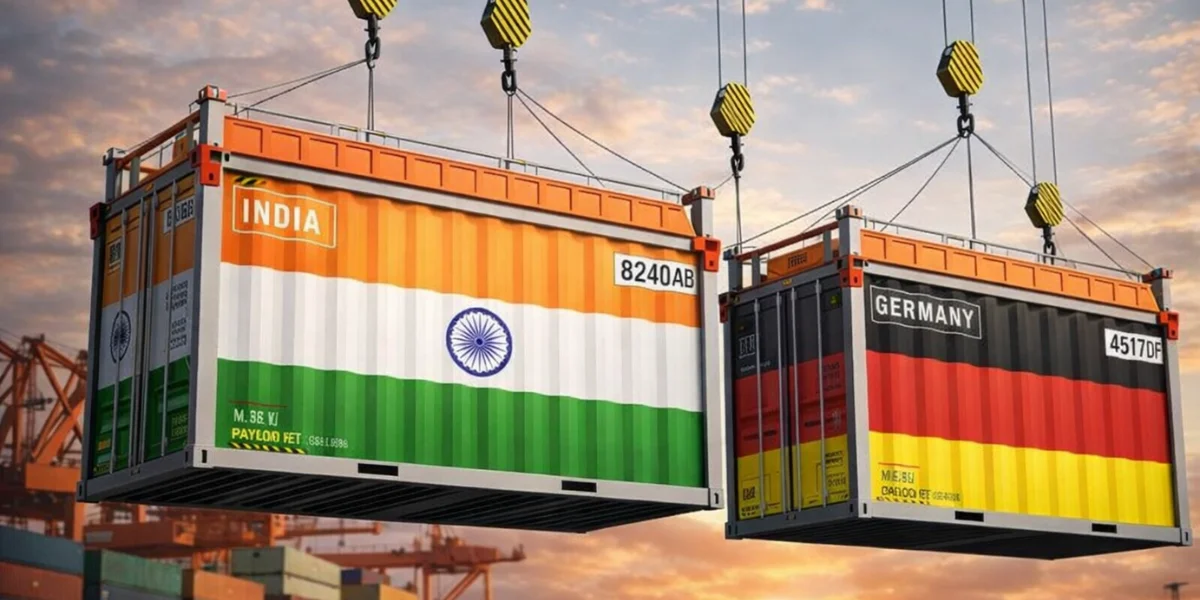
The landscape for Indian textile exporters has undergone a massive transformation in 2026. With the landmark India-EU Free Trade Agreement (FTA) now in effect, garment exporters from India finally have a level playing field, enjoying zero-duty access to a 24-trillion-dollar market.
If you are looking into exporting clothes or scaling your textile export from India, this guide provides the roadmap to success in the modern European market.
Historically, Indian apparel faced 9%-12% import duties in the EU. As of January 2026, the FTA has eliminated these tariffs for over 99% of textile lines.
1. Cost Savings:
Exporting a container of cotton shirts now saves approximately €20,000 in duties compared to 2024 levels.
To begin exporting clothes legally, you must secure the following:
1. IEC (Importer-Exporter Code):
Your primary license from the DGFT.
3. GST Registration:
Necessary for processing Zero-Rated Supplies and claiming Input Tax Credits (ITC).
Europe’s “Green Deal” has introduced strict new regulations that every exporter must follow:
1. EU Digital Product Passport (DPP):
Starting in 2026, many garments require a QR code providing data on material composition and supply chain traceability.
2. REACH Compliance:
Strict limits on hazardous chemicals and dyes (e.g., Azo-dyes).
3. Ecodesign Requirements (ESPR):
Products must be designed for durability and recyclability to enter the EU.
4. Certifications:
Buyers prioritize exporters with
GOTS (Organic), OEKO-TEX, or GRS (Recycled) certifications.
The Indian government provides robust support to keep your prices competitive:
1. RoSCTL (Rebate of State and Central Taxes and Levies):
Specifically for garments and made-ups, extended through March 2026.
2. RoDTEP (Remission of Duties and Taxes on Exported Products):
Provides a refund on hidden taxes for yarns and fabrics not covered by RoSCTL.
3. PM MITRA Parks:
Sourcing from these mega textile parks can reduce your logistics and production costs significantly.
• Pro Tip:
Use FOB (Free On Board) terms for your first few shipments to limit your liability once the goods are loaded onto the vessel in India.
As of 2026, the European consumer’s preference has shifted toward sustainability and functional fashion. To maximize your margins when exporting clothes, focus on these high-growth categories:
1. Organic Cotton & Bamboo Apparel:
With India being a top producer of organic cotton, these garments are in high demand across Germany, France, and the Nordic countries.
2. Recycled Polyester (rPET) Activewear:
European “Green Deal” policies favor garments made from recycled materials.
3. Home Textiles:
Beyond fashion, textile export from India in the form of luxury bed linens, sustainable curtains, and artisan-crafted rugs is seeing a 15% year-on-year growth in the EU.
4. Ethical Handloom & Craft:
Products that tell a story of “Artisanal Heritage” command a premium price in high-end European boutiques.
While the India-EU FTA simplifies the financial aspect, logistics remain the backbone of your business.
1. Warehousing:
Consider using “Bonded Warehouses” in transit hubs like Rotterdam or Antwerp to ensure faster delivery to your European buyers.
2. Localization:
Ensure your tech-packs and labels are translated into the buyer’s local language (e.g., German, French, or Italian) to avoid customs delays and improve customer satisfaction.
The year 2026 represents a “Golden Era” for
textile export from India. The combination of the India-EU Free Trade Agreement, robust government incentives like RoSCTL, and the shifting global supply chain away from traditional hubs has placed
garment exporters from India in a prime position.
Success in the European market is no longer just about the lowest price; it is about compliance, sustainability, and transparency. By adopting the EU Digital Product Passport early and maintaining strict quality standards, your business can build long-term, lucrative partnerships with European retailers.