Printed Scarves Manufacturing For Germany, Print Design, Designer Printed Scarves, Print Styles, Scarf Material, Scarves Manufacturing, Silk Appeal

The Future of Fashion: Printed Scarves Manufacturing for Germany in India

The Future of Fashion: Printed Scarves Manufacturing for Germany in India

Printed Scarves Manufacturing for Germany in India

In 2026, printed scarves manufacturing for Germany has evolved into a strategic partnership defined by high-tech precision and ethical transparency. Indian textile exporters are now leading the global market by merging traditional craftsmanship with the strict sustainability standards required by European law. From bespoke printed scarves to large-scale textile exports from India, the focus remains on delivering premium quality. By utilizing sustainable manufacturing practices, Indian factories ensure that every shipment of scarves for women meets the discerning aesthetic and environmental expectations of the German consumer.

Print design

In the realm of modern fashion, print design serves as the vital bridge between Indian heritage and German minimalism. Indian textile exporters are now utilizing advanced CAD tools to blend Bauhaus-inspired geometry with traditional motifs. This fusion creates beautiful printed scarves that resonate with European aesthetics while maintaining an artisanal soul. Whether the focus is on custom printed cotton scarves for boutique labels or mass-market digital prints, the emphasis remains on precision, colorfastness, and high-definition clarity that meets strict EU quality standards.

Designer Printed Scarves

The demand for designer printed scarves has surged as German consumers move toward “Slow Fashion.” These high-end accessories often feature exclusive artwork and sustainable materials, making them a staple in the luxury segment. By partnering with skilled Indian textile exporters, brands can develop unique scarves for women that highlight intricate craftsmanship. From runway-ready aesthetics to limited-edition drops, these scarves represent the pinnacle of design for printed scarves, combining sophisticated color palettes with premium, ethically sourced fabrics for a truly discerning international clientele.

Print Styles

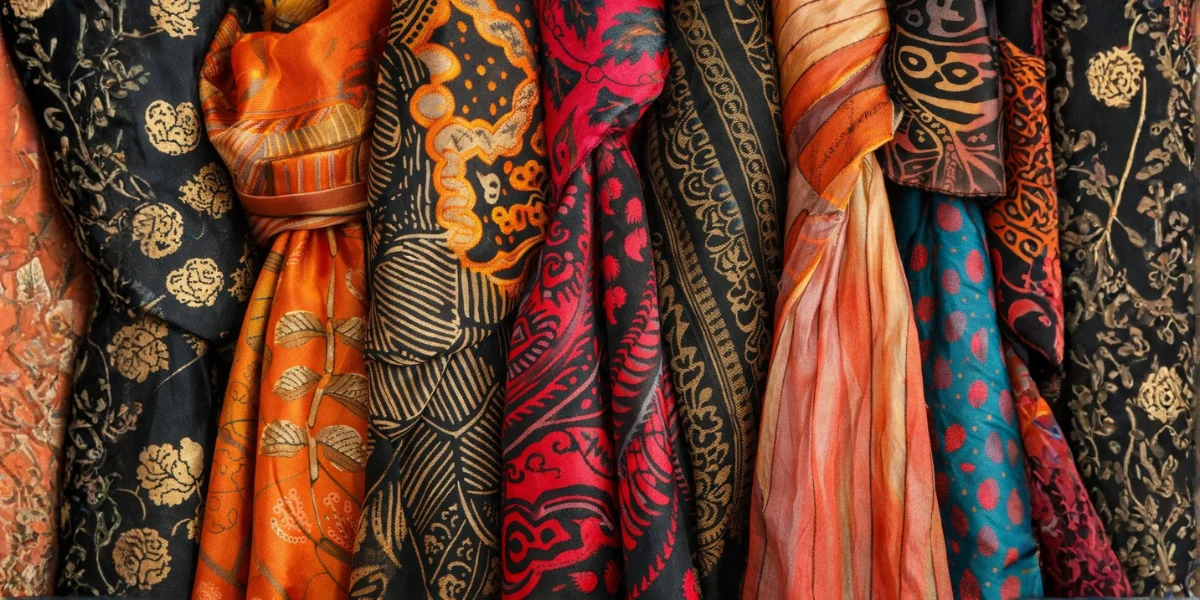
Modern textile exports from India showcase a breathtaking array of print styles. Traditional block printed cotton scarves continue to captivate those seeking authentic, handmade charm, while digital printed scarves offer limitless complexity for modern, vibrant patterns. For eco-conscious brands, eco printed scarves using real botanical elements and hand printed scarves provide a powerful sustainable narrative. From classic floral printed scarves to avant-garde abstract art, the versatility of Indian production ensures that every creative vision is executed with technical mastery and environmental mindfulness.
Scarf Material
Selecting the right scarf material is critical for success in the German market. Indian textile exporters provide a vast library of sustainable materials, including GOTS-certified organic cotton, recycled polyester, and cruelty-free Peace Silk. Whether producing lightweight types of scarves for summer or heavy wool blends for winter, the focus is on skin-friendly, non-toxic textiles. By prioritizing sustainable manufacturing, exporters ensure that every fiber from block printed cotton scarves to hemp blends aligns with the ecological expectations and high performance required by modern European consumers.
scarves manufacturing
Superior scarves manufacturing requires a balance of ethical labor and technical innovation. In India, the process integrates sustainable manufacturing practices like Zero Liquid Discharge and solar-powered looms. This holistic approach allows for the creation of bespoke printed scarves and hand printed scarves at scale without compromising the planet. By focusing on custom printed cotton scarves and diverse types of scarves, the Indian manufacturing sector has become a global hub, offering German brands unparalleled agility, transparent supply chains, and world-class craftsmanship in every single stitch.
The Synergy of Heritage, Design, and Sustainable Manufacturing
In the dynamic world of global fashion, the bridge between Indian craftsmanship and German precision has never been stronger. As we move through 2026, the demand for printed scarves manufacturing for Germany in India has shifted from a search for “low cost” to a quest for “high value.” German consumers, known for their discerning taste and strict adherence to the Lieferkettengesetz (Supply Chain Act), are now seeking accessories that tell a story of heritage, innovation, and environmental responsibility.
This evolution has positioned Indian textile exporters as the premier partners for European brands, offering a sophisticated blend of sustainable manufacturing and artistic brilliance.

The Design Philosophy: Where Bauhaus Meets Bharat

Printed Scarves Manufacturing For Germany, Print Design, Designer Printed Scarves, Print Styles, Scarf Material, Scarves Manufacturing, Silk Appeal

Print design for the German market requires a delicate balance of minimalist European aesthetics and intricate Indian artistry. While India is famous for its vibrant palettes, 2026 trends for scarves for women in Germany favor “Quiet Luxury” muted, emotionally stable tones like vanilla neutrals, sage green, and deep plum.

Trend-Setting Print Styles:

1. Designer Printed Scarves:
Manufacturers are moving toward “architectural prints” inspired by Bauhaus principles, utilizing clean lines and geometric symmetry.
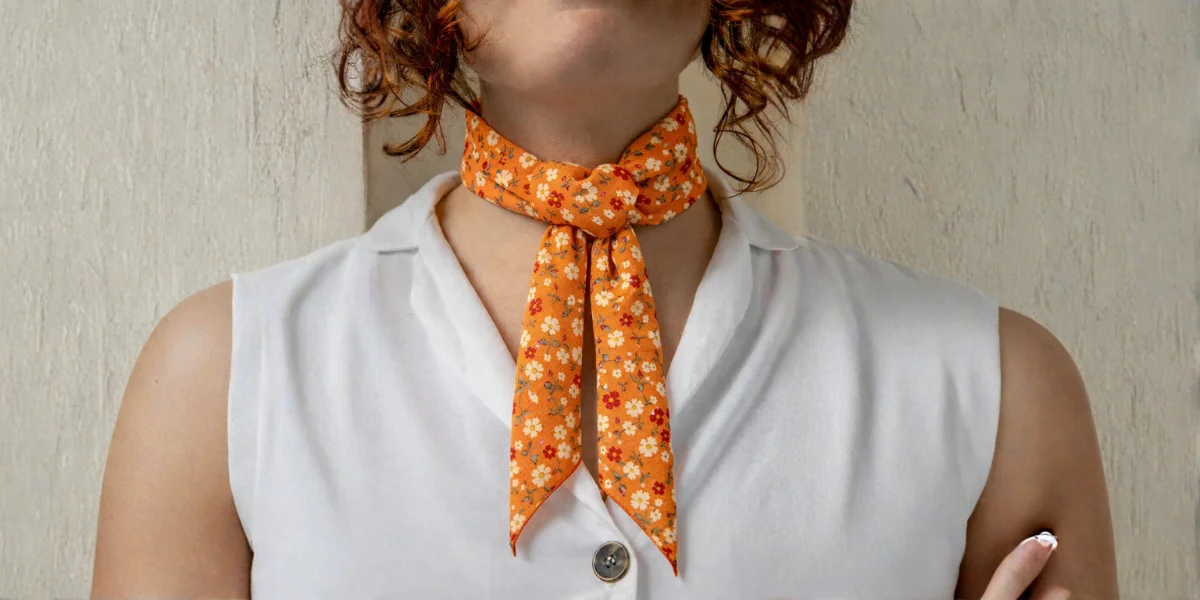
2. Floral Printed Scarves:
A perennial favorite, but updated for 2026 with “dark botanical” themes and oversized, abstract blossoms.
3. Bespoke Printed Scarves:
German boutique brands are increasingly requesting custom printed cotton scarves that feature exclusive, limited-run artwork, allowing them to stand out in a crowded retail landscape.
4. Beautiful Printed Scarves with a Soul:
There is a surge in demand for hand printed scarves. The subtle “imperfections” of a hand-stamped design provide a human connection that mass-produced items lack.

Scarf Material: The Foundation of Quality

In 2026, the scarf material is the ultimate statement of brand quality. India’s vertical integration allows scarves manufacturing units to offer a diverse range of natural and bio-based fibers that meet rigorous EU standards.

Material Type

Best Use Case

Sustainability Factor

Organic Cotton

Everyday types of scarves

Uses 91% less water than conventional cotton.

Peace Silk (Eri)

Luxury/Boutique lines

Cruelty-free; the silkworm completes its life cycle.

Linen & Hemp

Resort & Summer stoles

Highly breathable and naturally pest-resistant.

Recycled Polyester

Corporate & High-street

Diverts plastic from oceans; GRS certified.

India currently accounts for a significant portion of global textile exports from India, particularly in the value-added accessories segment, thanks to this vast material library.

Manufacturing Innovations: Digital vs. Traditional

Printed Scarves Manufacturing For Germany, Print Design, Designer Printed Scarves, Print Styles, Scarf Material, Scarves Manufacturing, Silk Appeal
Modern scarves manufacturing in India is a dual-speed industry, offering both high-tech precision and ancient techniques.

Digital Printed Scarves

For brands requiring complex photographic details and unlimited color gradients, digital printed scarves are the gold standard. This method is highly sustainable as it eliminates the need for printing screens and significantly reduces water consumption and chemical waste.

Block Printed Cotton Scarves

On the artisanal side, block printed cotton scarves remain a hallmark of Indian heritage. Using hand-carved wooden blocks, artisans apply patterns layer by layer. This technique is often paired with sustainable materials like natural indigo or pomegranate dyes, appealing to the eco-conscious German demographic.

The Sustainable Concept: The New Industry Standard

Printed Scarves Manufacturing For Germany, Print Design, Designer Printed Scarves, Print Styles, Scarf Material, Scarves Manufacturing, Silk Appeal
For an Indian textile exporter, “sustainability” is no longer a buzzword; it is a compliance requirement. German buyers demand transparency across the entire supply chain.
1. Eco Printed Scarves:
A breakthrough trend for 2026 is botanical eco-printing, where actual leaves and petals are steamed into the fabric to create organic, one-of-a-kind patterns.
2. Sustainable Manufacturing Processes:
Leading factories have implemented Zero Liquid Discharge (ZLD) systems, ensuring that no hazardous chemicals enter the local water table.
3. Ethical Labor:
Beyond the environment, sustainability includes fair wages and safe working conditions, often verified by certifications like GOTS or SA8000.

Why Partner with India for Printed Scarves?
Printed Scarves Manufacturing For Germany, Print Design, Designer Printed Scarves, Print Styles, Scarf Material, Scarves Manufacturing, Silk Appeal
The strategic advantage of sourcing from India lies in the country’s agility. Unlike other hubs that focus solely on mass production, India excels in design for printed scarves and “Slow Luxury.”
1. Low MOQs:
Indian manufacturers are more willing to produce smaller, high-quality batches, which is ideal for German “Capsule Collections.”
2. Vertical Integration:
From the cotton farm to the final hem, the entire process often happens within a single region, reducing the carbon footprint of the supply chain.
3. Artisanal Depth:
The ability to offer hand printed scarves alongside high-tech digital options gives German brands unparalleled creative freedom.

Conclusion

The future of printed scarves manufacturing for Germany in India is defined by a commitment to the planet and a passion for print. By blending sustainable materials with world-class print design, Indian exporters are not just shipping products they are delivering pieces of wearable art that resonate with the values of the modern European consumer.

FAQ's

The most common types are screen printing (durable for large batches), digital printing (ideal for high-detail designs), sublimation (permanent dye for synthetics), and traditional block printing (hand-carved artisanal patterns). Each method is chosen based on the fabric type and the complexity of the design.

Scarves are made from natural fibers like silk for luxury, wool or cashmere for warmth, and cotton or linen for breathability. Synthetic options like polyester and acrylic offer durability at a lower cost, while sustainable blends using recycled materials are becoming popular in 2026.

Print design is the creative process of developing seamless patterns or illustrations specifically for fabric surfaces. It requires technical knowledge of “repeats” and color chemistry to ensure the design remains vibrant and looks professional once applied to the material.

A placement print is a single, specific design positioned on one part of the garment (like a logo on a chest), while an all-over print (AOP) covers the entire surface of the fabric with a repeating pattern.

To preserve the print, always wash scarves in cold water using a mild detergent and avoid direct sunlight when drying. For delicate materials like silk or hand-blocked cotton, dry cleaning or gentle hand-washing is recommended to maintain color vibrance.