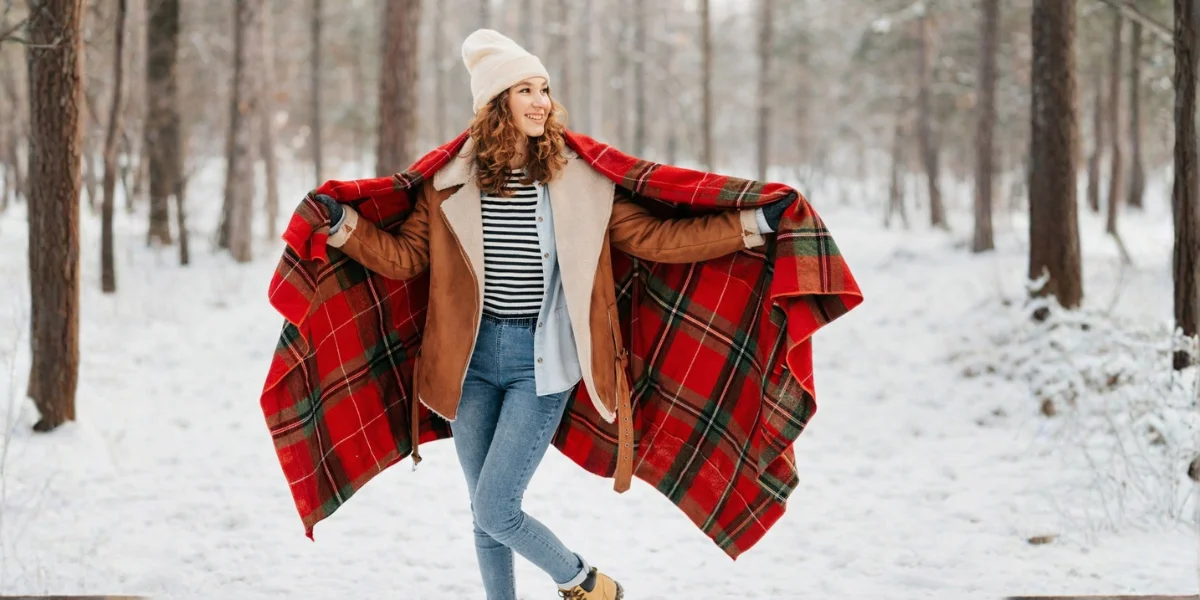
Why Is Wool Used For Winter Clothing

Wool is used as a winter clothing staple because of its unmatched thermal properties. Unlike synthetic fibers, wool for winter clothes features a natural crimp that creates insulating air pockets, keeping body heat trapped while allowing skin to breathe. This unique structure makes it the premier fabric for winter clothes in freezing climates. Additionally, wool can absorb moisture without feeling damp, ensuring you stay dry and warm. Whether it is used in heavy overcoats or light base layers, the durability and warmth of wool explain why it remains the dominant choice for those seeking protection against the harsh elements of the season.

Winter Clothing

Choosing the right winter clothes is essential for comfort and health during the colder months. High-quality warm winter clothes rely on layering strategies to manage body temperature effectively. From thick sweaters with wool that provide a cozy mid-layer to water-resistant outer shells, the variety of materials available today is vast. However, traditional woolen fabric still outperforms most alternatives in heat retention. For those living in extreme climates, investing in a sturdy jacket with wool lining ensures maximum insulation. Understanding how different fabrics interact with your body heat is the first step in building a functional and reliable winter wardrobe.

Stylish Winter Wear

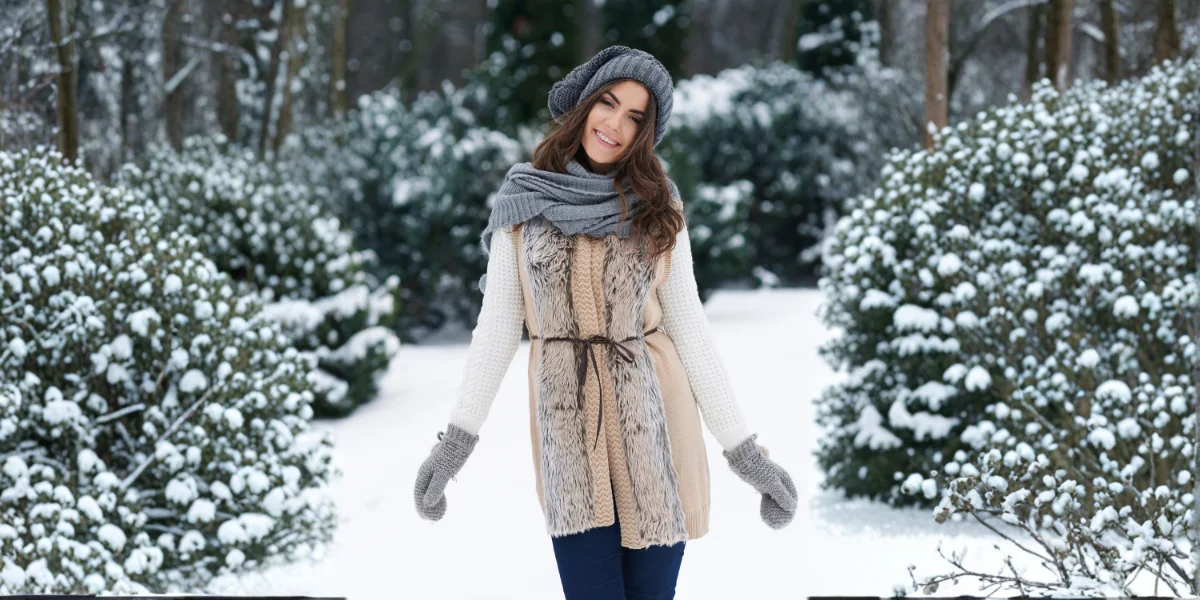
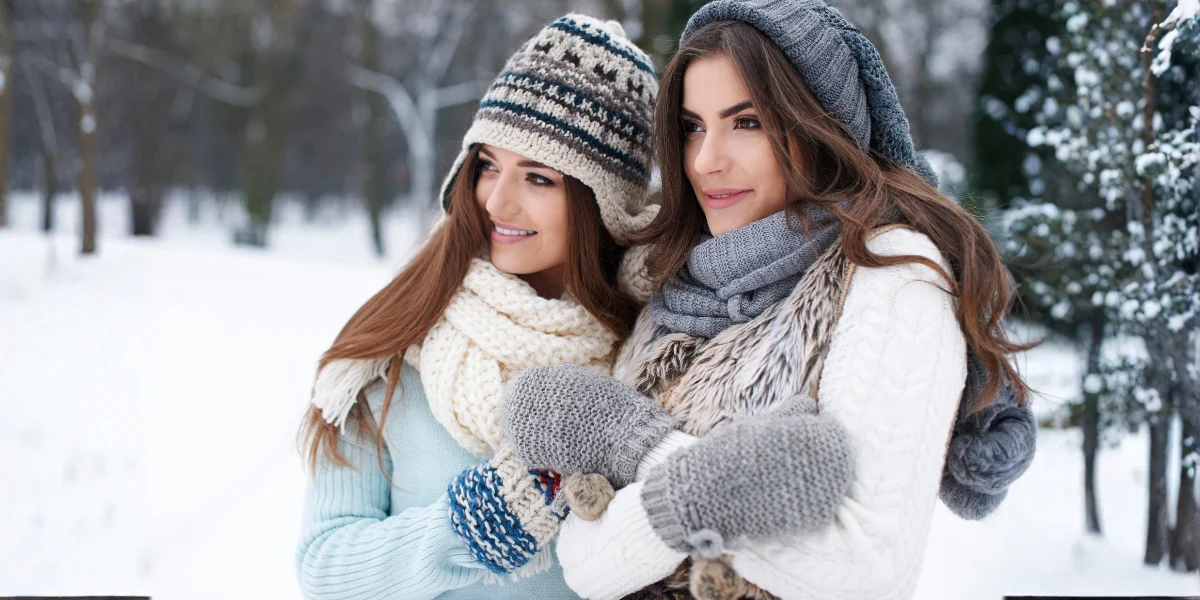
Modern fashion has proven that you don’t have to sacrifice elegance for warmth. Stylish winter wear now incorporates sleek silhouettes and fine textures, moving away from the “bulky” look of the past. Designers are increasingly using formal winter wear techniques to create wool blazers and tailored coats that look sharp in any setting. Accessories also play a huge role; a cashmere scarf or a well-fitted wool cap can elevate any look. By focusing on high-quality apparel clothing, you can maintain a sophisticated aesthetic while ensuring your garments provide the necessary thermal protection to handle the winter chill comfortably.

Apparel Market

The global apparel market experiences a significant surge as temperatures drop, with consumers prioritizing performance and sustainability. Brands within the clothing business are shifting toward natural fibers like wool due to increasing eco-conscious demand. This market segment is highly competitive, with a focus on blending traditional craftsmanship with modern technology. From luxury houses to fast-fashion retailers, the push for high-quality apparel clothing drives innovation in textile weaving and moisture-wicking treatments. As a result, the market for winter-specific gear remains one of the most profitable and technically advanced sectors in the global fashion industry today.

Germany Clothing Style

The Germany clothing style is characterized by a “function-first” philosophy that doesn’t ignore aesthetics. In a country known for its cold, damp winters, Germany winter clothes are built to be incredibly durable and weather-resistant. You will often see locals wearing high-quality wool coats and sturdy boots that can withstand both snow and city slush. This regional style favors neutral tones and classic cuts, ensuring that garments remain fashionable for many years. Because of the climate, the demand for authentic, high-grade woolen fabric is exceptionally high, making German winter fashion a benchmark for practical, everyday luxury.
Winter Outfits
Creating the perfect winter outfits requires a balance between different textures and weights. A popular trend involves pairing lightweight cotton wool blends for base layers with heavy-duty wool outerwear for maximum contrast and comfort. For a casual day out, a chunky knit jacket with wool paired with denim is a go-to look. If you are heading to the office, winter clothes for work often include slim-fit wool trousers and a refined turtleneck. By mixing and matching different pieces, you can stay prepared for changing temperatures throughout the day while ensuring your overall look remains cohesive and seasonally appropriate.
Winter Clothes Business
Launching a winter clothes business requires a deep understanding of seasonal trends and textile sourcing. Entrepreneurs in the clothing business must find a niche, whether it is high-end formal winter wear or rugged outdoor gear. Success in this industry often depends on the ability to source the best fabric for winter clothes at a sustainable price point. Since winter gear is often an investment for the consumer, focus on durability and timeless design is key. By offering a range of winter clothes for work and play, a brand can capture a loyal customer base that values quality over fast fashion.
Why Is Wool Used For Winter Clothing, Winter Clothing, Stylish Winter Wear, Apparel Market, Germany Clothing Style, Winter Outfits, Winter Clothes Business, Silk Appeal

The Ultimate Guide: Why Wool is the Gold Standard for Winter Clothing

The Ultimate Guide: Why Wool is the Gold Standard for Winter Clothing

When the temperature drops and the frost begins to settle, the global apparel market shifts its focus to one primary goal: staying warm without sacrificing style. Whether you are browsing for winter clothes for workor building a collection of stylish winter wear, one material consistently reigns supreme.
But have you ever wondered why wool is used as a winter clothing staple across the globe, from the streets of New York to the classic Germany clothing style? It isn’t just tradition; it’s science.

The Science of Warmth: How Wool Works

Why Is Wool Used For Winter Clothing, Winter Clothing, Stylish Winter Wear, Apparel Market, Germany Clothing Style, Winter Outfits, Winter Clothes Business, Silk Appeal
At its core, wool for winter clothes acts as a natural thermostat. Unlike synthetic fibers, wool is a complex protein fiber that evolved to keep sheep comfortable in extreme environments.

1. Superior Insulation

Wool fibers have a natural “crimp” or bend. This structure creates millions of tiny air pockets within the woolen fabric. These pockets trap body heat, creating a thermal barrier between you and the freezing air. This is exactly why a heavy jacket with wool feels significantly warmer than a polyester equivalent of the same thickness.

2. Moisture-Wicking and Breathability

One of the biggest mistakes in choosing winter clothes is picking a fabric that traps sweat. If you get damp, you get cold. Wool can absorb up to 30% of its weight in moisture without feeling wet to the touch. It breathes, moving sweat away from the skin and releasing it into the air a process called heat of sorption.

Wool in the Professional World: Formal and Work Wear
Why Is Wool Used For Winter Clothing, Winter Clothing, Stylish Winter Wear, Apparel Market, Germany Clothing Style, Winter Outfits, Winter Clothes Business, Silk Appeal
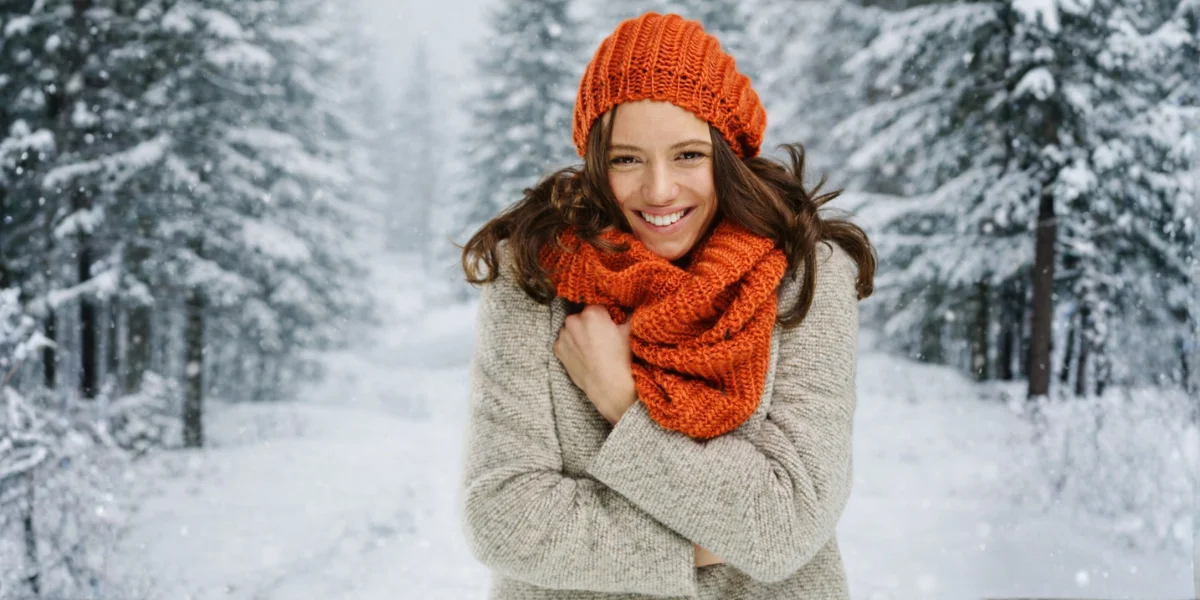
Navigating winter clothes for work can be a challenge. You need to look polished for meetings while braving a freezing commute. This is where formal winter wear made from merino or cashmere excels.
Tailored Aesthetic:
Wool holds its shape better than almost any other fabric for winter clothes. A well-made wool blazer or overcoat resists wrinkles, keeping you sharp from 9 to 5.
Layering Potential:
For those in the winter clothes business, the trend is shifting toward “fine-gauge” knits. These are thin sweaters with wool that provide massive warmth without the bulk, fitting perfectly under a suit jacket.
If you are looking for germany winter clothes, you’ll notice a heavy emphasis on boiled wool and loden fabrics that are wind-resistant and incredibly durable for daily urban wear.

Comparing Fabrics: Wool vs. The Rest

When choosing your winter outfits, it’s helpful to understand how wool stacks up against other popular materials.

Feature

Wool

Cotton

Synthetic (Polyester)

Warmth

Excellent

Low

Moderate

Moisture Management

Wicks away moisture

Retains moisture (stays cold)

Low breathability

Odor Resistance

Naturally antibacterial

Moderate

Poor

Durability

High

High

High

While cotton wool (often a blend or a term for raw cotton) is soft, it lacks the insulating properties of true animal wool. In the apparel clothing industry, pure wool remains the premium choice for warm winter clothes.

Stylish Winter Wear: Trends to Watch

Why Is Wool Used For Winter Clothing, Winter Clothing, Stylish Winter Wear, Apparel Market, Germany Clothing Style, Winter Outfits, Winter Clothes Business, Silk Appeal
The modern clothing business has evolved. No longer is wool just about “itchy” sweaters. Advanced processing has made woolen fabric incredibly soft.

Must-Have Winter Staples:

1. The Overcoat:
The cornerstone of formal winter wear. A 100% wool coat is an investment that lasts decades.
2. Textured Knitwear:
Chunky sweaters with wool add visual depth to winter outfits, pairing perfectly with denim or chinos.
3. The Hybrid Jacket:
A modern jacket with wool panels offers a sporty, tech-focused look for a more casual apparel clothing vibe.

The Economics of the Winter Apparel Market

From a clothing business perspective, wool is a high-value commodity. While the initial cost of wool for winter clothes is higher than synthetic alternatives, the longevity and performance justify the price point for consumers.
In regions like Europe, specifically looking at Germany winter clothes, there is a strong culture of “buy less, buy better.” This sustainability-focused mindset keeps wool at the forefront of the apparel market, as it is a renewable, biodegradable fiber.

Conclusion

Whether you are a consumer looking for the perfect jacket with wool or an entrepreneur in the winter clothes business, the benefits of this natural fiber are undeniable. It offers a unique combination of thermal regulation, durability, and timeless style that synthetic fibers simply cannot match.
By choosing quality fabric for winter clothes, you aren’t just buying a garment; you’re investing in a piece of natural engineering that has perfected the art of staying warm for millennia.

FAQ's

Winter clothing refers to garments specifically designed to protect the wearer from the low temperatures, wind, and precipitation of the cold season. These clothes are typically made from materials with high thermal resistance like wool, down, or synthetic fleece that trap body heat and create a barrier against the external environment.

Winter clothing is generally categorized by “layers” to maximize warmth and functionality:

  • Base Layers: Moisture-wicking thermals or leggings worn against the skin.
  • Mid-Layers: Insulating pieces like sweaters with wool, cardigans, or fleece pullovers.
  • Outerwear: Protective garments such as heavy overcoats, parkas, and the classic jacket with wool lining.
  • Accessories: Essential add-ons including beanies, scarves, thermal socks, and insulated gloves.

Yes, but the type of wool matters. While traditional coarse wool can feel “itchy” to sensitive skin, premium woolen fabric like Merino wool or Cashmere is highly suitable. These fibers are much finer and more flexible, meaning they bend when they touch the skin rather than poking it. If you have extreme sensitivity, look for wool blends or garments with a silk or cotton lining.

To maintain warm winter clothes, avoid frequent washing. Air them out to remove odors, use a fabric shaver for pilling, and always lay wool flat to dry to prevent stretching. Store them folded in airtight bins during the off-season to protect against moths.

For technical gear, trust outdoor specialists like The North Face or Patagonia. For professional winter clothes for work, retailers like Uniqlo (Merino) or J.Crew offer high-quality woolen fabric. If you prefer the Germany clothing style, look for heritage brands like Lodenfrey for premium durability.